
Microlearning Revolution: Meeting the Modern Learner’s Needs Efficiently
Microlearning is rapidly transforming how organizations, educators, and learners engage with facts, skills, and training.In an era dominated by digital distractions and shrinking attention spans, the microlearning revolution stands out as a dynamic approach to meet the modern learner’s needs efficiently. In this article, we explore the significance of microlearning, its key benefits for learners and organizations, best practices for implementation, and case studies that showcase its impact.
What is Microlearning?
Microlearning refers to delivering educational content in small, bite-sized units that focus on single objectives. Typically lasting under 10 minutes, these modules are designed for rapid consumption, easy retention, and immediate submission. In today’s fast-paced world, microlearning caters to learners’ preference for quick, on-demand information accessible via smartphones, tablets, or computers.
- Short lessons: Each learning module covers one core topic or skill.
- Multi-format delivery: Videos, infographics, podcasts, quizzes, and text snippets.
- On-demand access: Learners choose when and where to engage.
- Personalized learning: Content adapted to individual preferences and needs.
The Rise of Microlearning in the Digital Age
customary training methods often demand long hours, face-to-face sessions, or months of commitment. Today’s workforce and students require flexibility, efficiency, and instant results. Enter microlearning—a solution inspired by evolving tech habits and the pressing need for effective learning. Global enterprises, educational institutes, and even small businesses are embracing microlearning platforms to address:
- Reduced attention spans and information overload
- Busy schedules and just-in-time training demands
- Remote work challenges and scattered teams
- Continuous learning culture for growth and innovation
With its agility and adaptability, the microlearning revolution is here to stay, driving better outcomes and engagement for the modern learner.
Key Benefits of Microlearning for Learners & Organizations
Microlearning isn’t just a trend—it’s a proven method yielding remarkable benefits. Here’s why more organizations are leveraging microlearning solutions to upskill their teams, improve employee engagement, and boost knowlege retention:
1. Enhanced Learning Retention
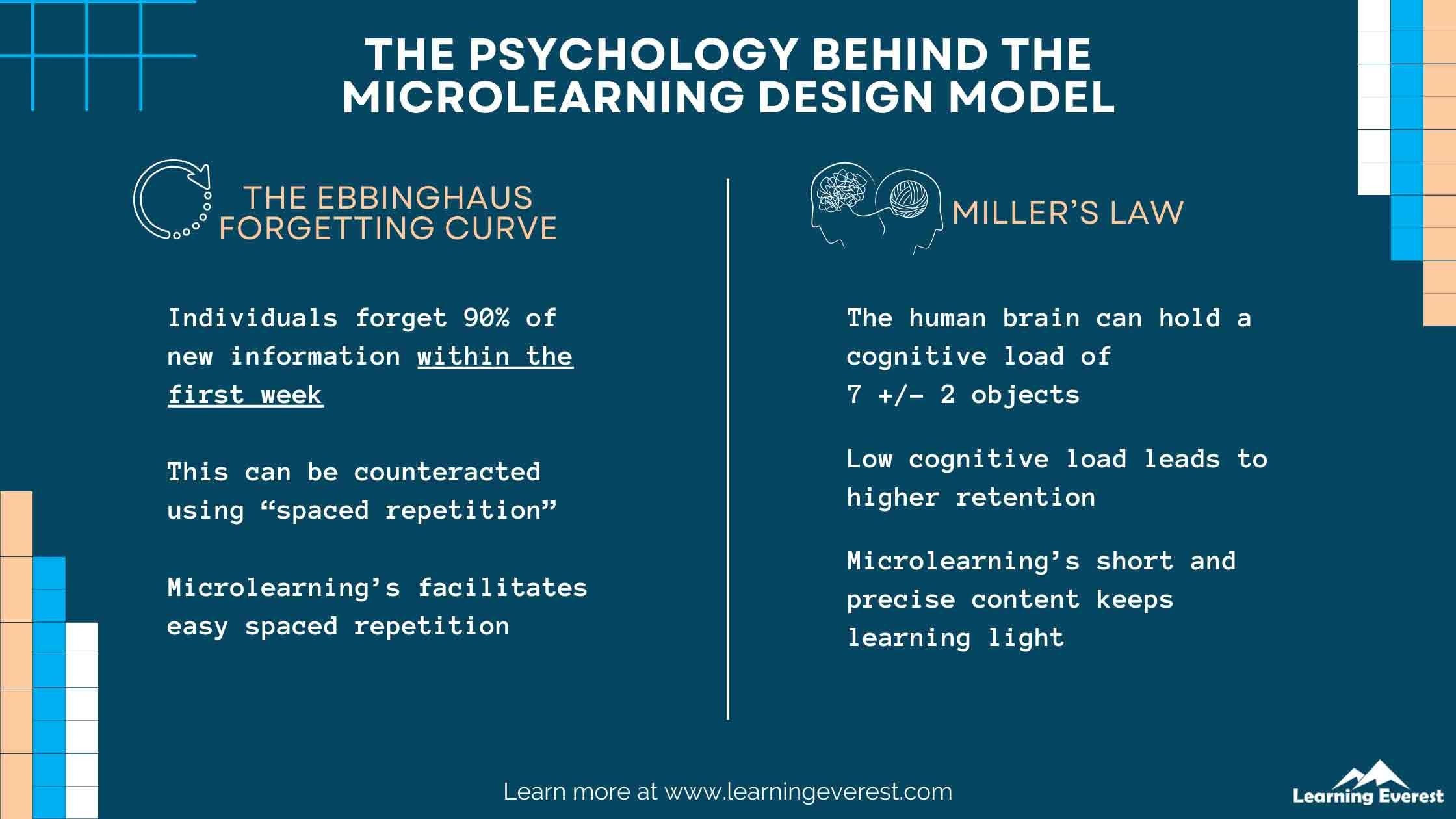
- Scientific studies reveal that spaced, focused repetition increases memory recall and retention.
- Microlearning modules reinforce core concepts, helping learners remember information longer.
2. Flexibility and Accessibility
- Mobile-first design lets users learn anytime, anywhere.
- ideal for busy professionals, remote teams, and self-paced learners.
3. Cost-Effective Solutions
- Reduces travel, venue, and instructor costs compared to traditional training.
- streamlined content updates keep material fresh with minimal expense.
4. Increased Learner Engagement
- Variety of formats (video, gamification, quizzes) boosts interactivity.
- Short lessons curb boredom and disengagement.
5. Measurable Results and Analytics
- Track progress, completion rates, and assessment scores easily.
- Gain actionable insights to optimize learning programs.
Microlearning vs. Traditional Learning: A comparative Overview
| Feature | Microlearning | Traditional Learning |
|---|---|---|
| Duration | 2-10 minutes per module | Several hours/days |
| delivery Method | Mobile, web, apps | In-person, print, eLearning |
| Personalization | High | Limited |
| Cost | low, scalable | High, less scalable |
| Engagement | High | Variable |
Practical Tips for Implementing Microlearning in Your institution
Ready to harness the power of microlearning? Here are actionable steps to design, launch, and sustain prosperous microlearning programs in your organization:
- Identify Learning Objectives: Focus each micro-lesson on clear, single outcomes.
- Choose the Right Formats: Match your audience’s preferences—videos for dynamic engagement, infographics for visuals, podcasts for auditory learners, or interactive polls.
- Use a Learning Management System (LMS): Employ platforms like LearnDash (WordPress LMS plugin) for seamless content delivery and tracking analytics.
- Encourage Self-Paced Learning: Empower learners to access modules at their convenience for maximum retention.
- Leverage Gamification: Incorporate badges, leaderboards, and rewards to boost motivation.
- Solicit Feedback: Gather learner input to refine and improve microlearning content continually.
- Monitor and Analyze: Use data to assess effectiveness, engagement, and identify areas for enhancement.
Case Studies: Microlearning Success Stories
Case Study 1: Global Tech Enterprise
A multinational IT firm replaced its annual compliance course with a series of weekly microlearning videos. Completion rates soared from 62% to 98%, and post-training assessments showed a 40% increase in retention. The company cited saved time, reduced training costs, and higher engagement as key outcomes.
case Study 2: Retail Organization
A retail giant struggling with frequent onboarding turnover adopted microlearning for new hires.Training modules were broken into 5-minute core competencies, easily accessed via staff smartphones. Within three months, onboarding time decreased by 30%, and job confidence increased among employees.
Case Study 3: Higher Education
University professors used microlearning strategies for exam readiness, sharing daily mini-quizzes and short video lectures. Students reported less stress and improved performance, with course pass rates rising from 78% to 91%.
first-Hand Learner experience: The Microlearning Edge
“With microlearning, I can fit skill-building into my lunch breaks or commute. Setting small goals—like completing three modules a week—keeps me motivated. The interactive quizzes help me track progress, and I love collecting digital badges for achievements. I used to procrastinate longer training sessions, but now learning feels manageable and rewarding.”
– Emily R., Marketing Professional
Challenges and Solutions in Microlearning Implementation
- Content Overload: Avoid cramming too much information into one module.Instead, space content logically across several lessons.
- Ensuring Quality: Invest in well-crafted, engaging, and informative assets.
- Technical Barriers: Choose user-friendly platforms and provide support for learners unfamiliar with digital tools.
- alignment with Larger Learning Goals: Link micro-modules to wider skill,compliance,or leadership objectives for maximum impact.
How to Measure Microlearning ROI
Evaluating the return on investment (ROI) of microlearning ensures that your efforts drive value. Key metrics include:
- Completion Rates: Track how many learners finish each module.
- Knowledge Assessments: Use pre- and post-module quizzes to measure gains.
- Engagement Analytics: Monitor participation, time spent, and feedback given.
- Business Outcomes: Analyze job performance, error reduction, sales, or compliance rates after training.
Conclusion: Embrace the Microlearning Revolution
The microlearning revolution is not just a fleeting trend—it’s a lasting transformation addressing the evolving needs of learners and organizations alike. As attention spans dwindle and digital demands rise, microlearning delivers focused, engaging, and accessible content to boost retention and empower personal growth. By implementing microlearning strategies, businesses and educators can create impactful learning experiences—delivering skills and knowledge efficiently for the modern world.
Whether you’re a business leader, educator, or lifelong learner, now is the time to embrace microlearning and unlock the full potential of the modern learner. Stay agile, make learning rewarding, and watch your team or students thrive with this innovative approach!