
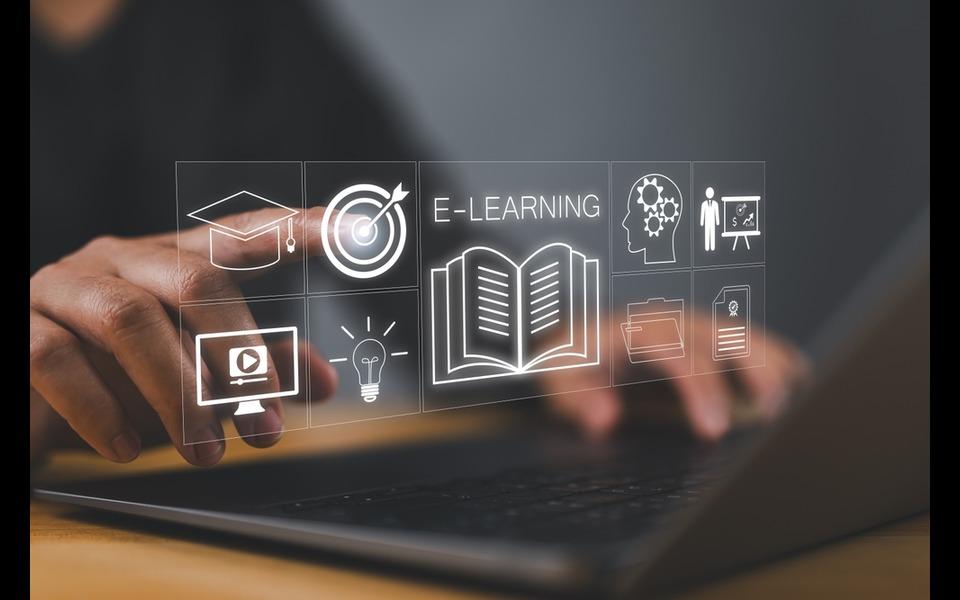
Microlearning Revolution: The Future of Education in Bite-sized Lessons
The digital era has dramatically transformed the way we learn, work, and interact. With shrinking attention spans and a demand for flexible, on-demand learning, microlearning has emerged as a revolutionary approach that’s reshaping education. In this article,we’ll delve into the microlearning revolution,explore its benefits,share practical tips,review real-world case studies,and consider why bite-sized lessons are the future of education. Whether you’re an educator, student, or lifelong learner, this guide will help you understand the power and promise of microlearning.
What is Microlearning? A Snapshot of the Learning Revolution
microlearning refers to delivering educational content in small, focused bursts that can be easily consumed and retained. Unlike traditional lectures or bulky e-learning modules, microlearning lessons typically last between two to ten minutes and focus on a single concept, skill, or topic.
- Short, specific lessons
- Accessible via mobile and desktop devices
- Interactive and multimedia-rich
- Designed for on-demand learning
Its adaptability makes microlearning ideal for everyone from busy professionals to school-aged children, transforming the way we engage with knowledge.
Why Microlearning is Reshaping Education
The Main Advantages of Microlearning
- Boosts Knowledge Retention: Smaller lessons mean easier information absorption and recall.
- Fits Modern Lifestyles: Learners can study on the go, during commutes, or in between meetings.
- Delivers personalized Learning Paths: Content can be tailored to individual needs, focusing on relevant gaps.
- Affordable and Scalable: Microlearning modules are cost-effective to develop, update, and scale across organizations.
- Enhances Engagement: Gamification, quizzes, and interactive videos keep learners interested and motivated.
- Reduces Cognitive Overload: By focusing on a single topic at a time,learners avoid feeling overwhelmed.
How Microlearning Works: Key elements of Bite-Sized Lessons
The effectiveness of microlearning lies in its structure. Here are the essential components of a strong microlearning program:
- Clear Learning Objectives: Each lesson addresses just one outcome or skill.
- Concise Multimedia Content: Videos, infographics, slideshows, and podcasts are popular microlearning formats.
- Interactivity: Quizzes, flashcards, polls, and mini-simulations reinforce understanding.
- Accessibility: Lessons are optimized for smartphones, tablets, and desktops.
- Just-In-Time Delivery: Learners can access content when and where they need it most.
Popular Microlearning Platforms
- Duolingo (language learning)
- Khan Academy (academic subjects)
- Coursera & edX (professional growth, certifications)
- LinkedIn Learning (career skills)
- Quizlet (memorization and revision tools)
The Microlearning Revolution in Action: Case Studies
Case Study 1: Corporate Training at IBM
IBM transitioned much of their workforce training to microlearning modules.The result? Training completion rates soared by 47%, and employee satisfaction improved significantly. Key to their success was integrating microlearning into employees’ daily routines, accessible through both mobile apps and desktop portals.
Case Study 2: Increasing student Performance in Schools
A secondary school in California introduced microlearning for math and science. Bite-sized videos and quizzes boosted exam pass rates by 22%.Students reported feeling less stressed and more confident approaching tough topics.
Case Study 3: Healthcare Professional Development
Hospitals adopted microlearning for compliance and clinical skills training. Nurses and doctors could quickly brush up on protocols, reducing errors and improving patient outcomes. Microlearning reduced time spent in formal training by 35%.
Benefits of Microlearning for Different Learners
Microlearning in education adapts to virtually every audience:
- Students: Grasp concepts faster, fill knowledge gaps, stay motivated.
- Professionals: Upskill frequently without disrupting work schedules.
- Trainers: Easily update and deploy content in rapidly changing industries.
- Lifelong Learners: Explore new interests at their own pace from anywhere.
Practical Tips for Implementing Microlearning
First-Hand Experience: Voices from the Microlearning Revolution
“Microlearning fits perfectly into my daily commute. I’ve gained new skills in half the time it used to take and find myself actually remembering what I learn.”
— Priya, Marketing Professional
“As a high school teacher, switching to bite-sized lessons helped engage even the most distracted students. the results in test scores spoke for themselves.”
— Carlos, Educator
SEO Benefits: Why Microlearning Content Ranks Well
from an SEO perspective, microlearning aligns with search trends and Google’s preference for highly relevant, actionable content. Bite-sized lessons answer specific user queries and encourage longer time-on-site due to engaging multimedia. For businesses and educators publishing microlearning courses online, these factors help attract organic traffic, boost engagement metrics, and earn valuable backlinks.
- Target highly specific keywords (e.g., “microlearning for corporate training”)
- Utilize structured data (FAQs, how-to schema) for enhanced search listings
- Encourage social sharing to amplify reach and authority
The Future of Education: What’s Next for Microlearning?
As technology evolves, so will microlearning. We’re seeing the integration of AI-powered personalization, augmented reality, and adaptive learning algorithms—all aimed at delivering even more tailored, engaging, and effective microlearning experiences. In a world that values speed, relevance, and continual growth, adopting bite-sized lessons is no longer an option; it’s a necessity for staying ahead.
Conclusion
the microlearning revolution is redefining education in the digital age. Bite-sized lessons offer proven benefits such as higher engagement, better retention, and unmatched flexibility. Whether you’re transforming traditional classrooms or upskilling a remote workforce, microlearning provides an adaptable and scalable solution for the challenges of modern education.Embrace this new approach and unlock the future of learning, one small lesson at a time.
Ready to implement microlearning in your classroom, institution, or personal study routine? Start small, stay consistent, and watch the transformative impact unfold!