
Microlearning: Revolutionizing training to Meet Modern Learners’ Needs
In today’s rapidly changing digital landscape, traditional training methods often struggle to engage and equip modern learners with the skills they need. Enter microlearning: a flexible, efficient, and innovative approach that’s transforming the way organizations and educators deliver learning experiences.
What is Microlearning?
Microlearning refers to delivering educational content in small, focused bursts over a short timeframe. Rather than lengthy classroom lectures or multi-hour seminars, microlearning provides concise, targeted lessons—usually lasting between two and five minutes. These lessons are accessible on-demand, often via smartphones or other digital devices, making learning fit seamlessly into the busy lifestyles of today’s modern learners.
- Key features of microlearning:
- Short, focused modules
- Mobile-friendly and accessible
- Just-in-time learning
- Highly engaging and interactive
- Adaptable for various learning styles
Why is Microlearning Gaining Popularity?
Microlearning has emerged as a powerful tool in corporate training, educational institutions, and professional development due to its alignment with modern learners’ needs. Here are some of the main reasons behind its rising popularity:
- Overloaded schedules: Employees and students juggle multiple responsibilities. microlearning lets them access and absorb knowledge on-the-go.
- Shorter attention spans: Research shows that attention spans have decreased, making lengthy training less effective.
- Mobile-first: Microlearning modules are designed for smartphones and tablets, catering to the preferred devices of digital natives.
- Real-time request: Learners can access solutions and answers when they need them, not just during formal training sessions.
Benefits of Microlearning for Modern Learners and Organizations
Successful training strategies incorporate microlearning to maximize engagement, retention, and ROI. here’s how microlearning transforms learning and development:
1. Higher Engagement and Retention
Breaking down content into digestible chunks helps keep learners focused and motivated. Interactive elements, such as quizzes and videos, increase participation and data retention.
2. Flexibility and Accessibility
Microlearning modules can be accessed anytime and anywhere, empowering remote teams and global workforces. This flexibility leads to increased completion rates compared to traditional learning formats.
3. Personalized Learning Experiences
Learners can choose the modules most relevant to them, enabling personalized learning journeys. Adaptive microlearning platforms further adjust content based on user progress and feedback.
4. Cost-Effective Training Solutions
Shorter modules mean lower development and delivery costs. Companies save on travel, venue, and facilitation expenses while ensuring consistent learning outcomes.
5.Improved Learning Outcomes
Microlearning supports spaced repetition and reinforcement,proven to improve long-term knowledge retention. Learners receive immediate feedback, allowing them to correct mistakes and solidify understanding.
- Additional advantages:
- Scalable across teams and locations
- Easily updated and maintained
- Facilitate ongoing professional development
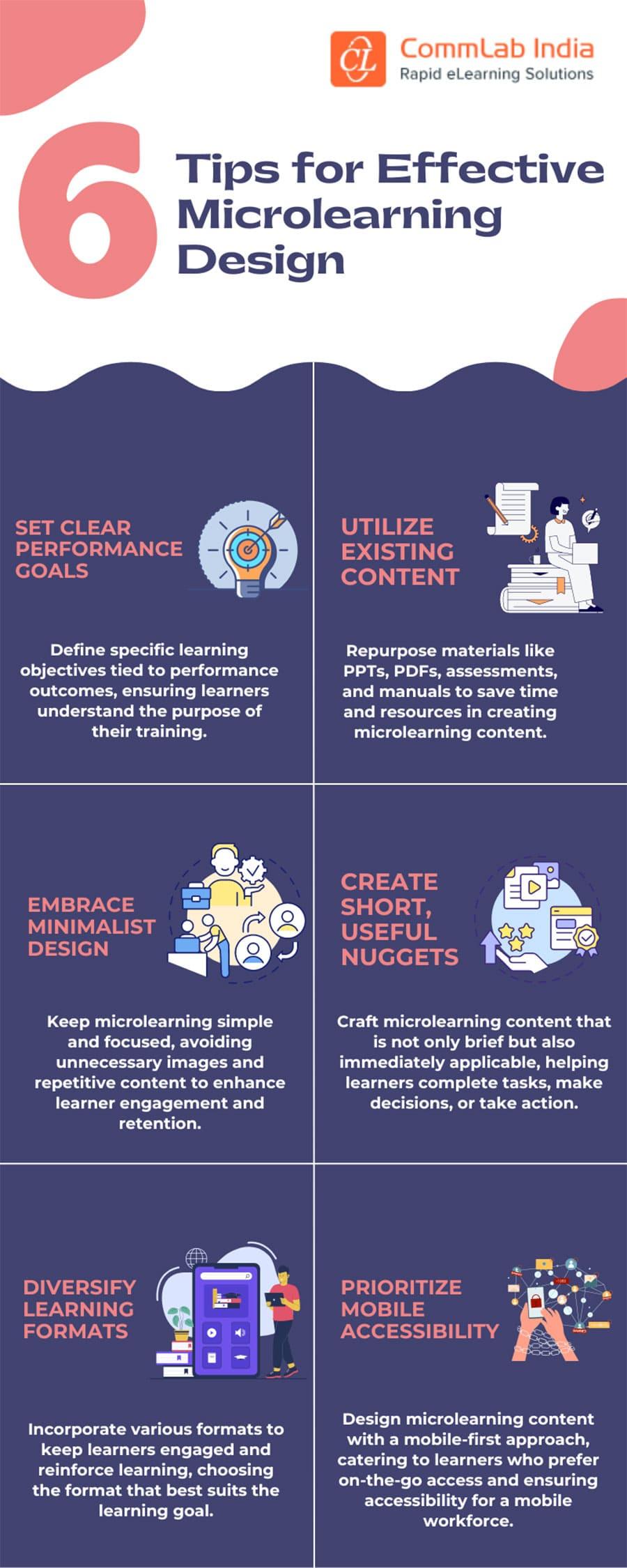
How to implement Microlearning: Practical Tips and Best Practices
Successful microlearning implementation requires thoughtful design and execution. Here are actionable tips to get started:
1. Define Learning Objectives
Identify specific skills and knowledge learners should acquire. Each microlearning module should focus on a single objective to maximize clarity.
2. Create Bite-Size Content
Break complex topics into small, standalone modules. Use video,infographics,podcasts,or interactive slides to present information quickly and engagingly.
3. Make It Mobile-Friendly
Design modules for mobile consumption. Use responsive layouts and ensure compatibility across devices for seamless access.
4.Incorporate gamification and Interactivity
Integrate elements like badges, leaderboards, and quizzes to make learning fun and competitive. Interactive activities help reinforce key concepts.
5. Provide Immediate Feedback
Offer instant feedback and explanations within microlearning modules. This helps learners correct mistakes and understand concepts before moving on.
6. Track Progress and Analyze Results
Utilize learning management systems (LMS) to monitor learner progress, performance, and completion rates. Use data insights to refine future microlearning interventions.
7. Continuously Update Content
review and update modules regularly to reflect changes in processes, tools, or regulations.Microlearning’s modular format makes updates quick and cost-effective.
- pro tip: Involve end-users in the design process by soliciting feedback or running pilot sessions. This ensures relevance and optimizes user experience.
Microlearning in Action: Case Studies
Case Study 1: Sales Enablement at a Tech Startup
A fast-growing software company needed to onboard new sales reps quickly. By developing short, scenario-based microlearning videos on product features, pitching techniques, and objection handling, the company reduced onboarding time by 40%. Reps performed better in mock sales calls, and customer satisfaction scores rose significantly within three months.
Case Study 2: Compliance Training in Financial Services
A financial services firm faced challenges with regulatory compliance training. Switching from annual seminars to monthly microlearning modules on topics like data privacy and anti-money laundering led to 90% module completion rates and improved employee understanding, as evidenced by audit scores.
Case study 3: Manufacturing Safety Training
A global manufacturer revamped its safety program using microlearning. Workers accessed five-minute videos before shifts, covering essential safety protocols and updates. Workplace incidents dropped by 30%, and employees reported feeling more prepared to handle emergencies.
First-Hand Experience: Learner Perspectives
Individuals who have embraced microlearning in their professional development often cite the following advantages:
- On-Demand Access: “I love being able to pull up a quick lesson on my phone while waiting for a meeting to start.”
- Relevant Content: “Every module feels tailored and practical for what I actually do on the job.”
- Retention: “the quizzes and interactive elements help me remember things much better than traditional e-learning.”
- Work-Life Integration: “Learning fits into my day instead of being yet another chore after work.”
For organizations, microlearning enables more effective upskilling, supports continuous learning cultures, and turbocharges knowledge transfer.
Microlearning vs. Traditional Training: A Comparative Overview
| Aspect | Microlearning | Traditional Training |
|---|---|---|
| Duration | 2-5 minutes per module | 1+ hours per session |
| Delivery Method | Digital/mobile-first | Classroom or online |
| Engagement | High (interactive, gamified) | Varies (often lecture-based) |
| Cost | Lower | Higher (venue, facilitators) |
| Retention | Improved (spaced learning) | Lower (information overload) |
Conclusion: Embracing Microlearning for Future-Ready Training
Microlearning isn’t just a buzzword—it’s a practical solution for meeting the modern learner’s needs in a rapidly evolving world. The benefits are clear: higher engagement, improved retention, cost savings, and learning that fits seamlessly into daily routines. Whether you’re an HR professional seeking better training outcomes or a manager striving to boost team performance, microlearning offers a flexible, scalable, and future-ready approach to professional development.
To stay competitive, organizations must empower their workforces with efficient, high-impact learning solutions. By embracing microlearning,you can foster a culture of continuous improvement,drive business results,and support employees on their journey toward mastery.
Looking for more tips on digital training strategies or inspiration for microlearning design? Subscribe to our blog and join the conversation as we explore the latest trends in learning and development!