
Microlearning: Revolutionizing Training to Meet the Modern learner’s Needs
Are you searching for a faster, more engaging, and impactful approach to workplace training? The digital age has fundamentally changed how people learn and consume data.As attention spans shorten and workplace demands increase, organizations are embracing microlearning to deliver training that truly meets the needs of today’s learners. In this in-depth article, we’ll explore how microlearning is revolutionizing employee training, its main benefits, practical implementation tips, and success stories from leading organizations.
What is Microlearning?
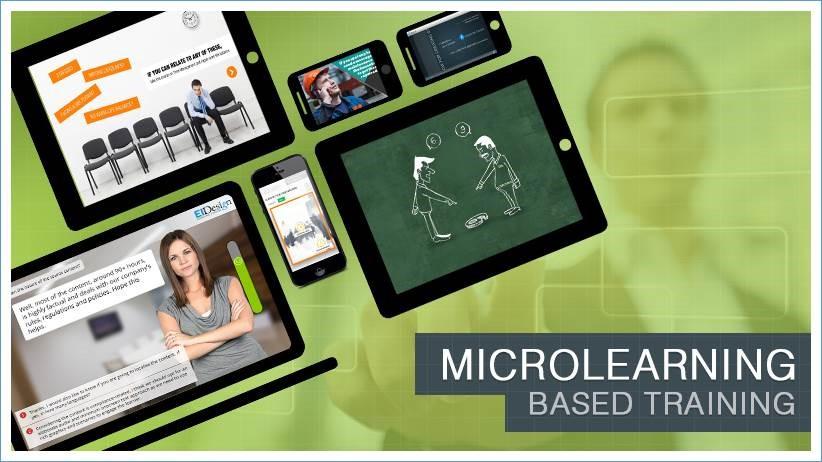
Microlearning is an innovative training approach that delivers content in small, easily digestible chunks. Rather of customary lengthy courses, microlearning modules focus on specific learning objectives and can be completed in just a few minutes. These bite-sized lessons are designed for versatility, making them accessible from any device at any time.
- Format: Videos,quizzes,infographics,podcasts,and interactive scenarios
- Duration: Usually 2-10 minutes per module
- Delivery: Mobile apps,learning management systems (LMS),social media,and email
By harnessing the power of microlearning,organizations can create training experiences that are engaging,relevant,and promptly applicable to daily work.
Why Microlearning Matters for the Modern Learner
The workforce is evolving rapidly. Today’s employees are digital natives, used to getting information in short bursts on mobile devices. Here’s why microlearning perfectly aligns with the modern learner’s needs:
- Short attention spans: With so much information competing for their attention, learners benefit from quick, focused training modules.
- On-the-go lifestyles: Employees want access to training anytime, anywhere, on any device—microlearning makes this possible.
- just-in-time learning: Modern learners need instant access to relevant information when and where thay need it.
Microlearning is not just a trend—it’s a strategic solution that helps businesses keep pace with learner preferences and the rapid speed of change in today’s workplace.
Key Benefits of Microlearning for Employee Training
From improved knowledge retention to higher engagement rates, microlearning offers a host of advantages for organizations and learners alike:
1. Boosts engagement
Bite-sized content is easier and less intimidating to digest, keeping learners engaged and motivated to continue training.
2.Enhances Knowledge Retention
Microlearning utilizes spaced repetition and active learning techniques, leading to higher information retention and recall.
3. Drives Better Learning Outcomes
Focused modules allow employees to immediately apply what they’ve learned, improving performance and productivity.
4. saves Time and Reduces Costs
Shorter modules mean less time away from work, reducing disruption and costs compared to traditional training courses.
5.supports Personalization
Microlearning enables personalized learning paths that cater to each employee’s skills and needs.
How to Implement Microlearning: Practical Strategies and Tips
If you’re ready to launch microlearning in your organization, here are practical steps and best practices to maximize its benefits:
-
Identify Learning objectives
- Break down larger learning goals into clear, concise objectives.
-
Choose the Right Formats
- Utilize a mix of videos, interactive scenarios, micro-quizzes, and infographics for maximum engagement.
-
Leverage Technology
- Deploy modules on an LMS with mobile compatibility for accessibility.
- Take advantage of adaptive learning platforms that personalize content based on learner progress.
-
Incorporate Social Learning
- Encourage knowledge sharing through discussion boards, peer challenges, or social feeds.
-
Measure Success
- Track completion rates, quiz scores, and behavior changes to evaluate impact and refine future modules.
Expert Tip: Keep modules short (ideally under 7 minutes), visually appealing, and focused on one key learning point for the best results.
microlearning in Action: Real World Examples
Many high-performing organizations have successfully adopted microlearning. Here are a couple of inspiring case studies:
Case Study 1: Google’s Whisper Courses
Google introduced “Whisper Courses”—short, daily microlearning lessons delivered via email—to help managers adopt new leadership behaviors. This approach was highly effective,with employees reporting measurable improvements in workplace communication and management skills.
Case Study 2: Unilever’s Digital Learning Conversion
Global consumer goods company Unilever implemented a microlearning program as part of its broader digital learning strategy. The company saw a 92% completion rate for microlearning modules, compared to less than 30% for traditional eLearning courses. Employees praised the flexibility and relevance of the content.
My Experience with Microlearning: A First-Hand Perspective
As a content writer who has created both traditional training and microlearning materials, I’ve witnessed first-hand the difference it makes in learner engagement and knowledge request. Employees frequently report that microlearning modules are more enjoyable, easier to fit into their busy schedules, and help them quickly acquire new skills. The positive feedback and measurable uptick in job performance underscore microlearning’s value in any training strategy.
Frequently Asked Questions About Microlearning
Is microlearning suitable for all types of training?
Microlearning is especially effective for compliance training, onboarding, upskilling, and just-in-time support. For complex or in-depth topics, microlearning can serve as a supplement to longer courses or instructor-led sessions.
How do I ensure microlearning is effective?
Focus each module on a single learning objective, incorporate interactive elements, and provide opportunities for real-world application.Continuous feedback and iteration based on data are key to long-term success.
What technologies support microlearning?
Most modern learning management systems (LMS) offer microlearning capabilities. Mobile learning apps, adaptive learning platforms, and even enterprise social media tools are commonly used.
Conclusion: The Future of Training is Microlearning
In today’s fast-paced, mobile-first world, microlearning is more than a training trend—it’s a necessity for businesses that want to stay ahead. By embracing microlearning, organizations can deliver training that’s engaging, flexible, and aligned with how employees learn best. Whether you’re just starting out or looking to enhance your current programs, adopting microlearning is a proven way to boost training effectiveness and future-proof your workforce.
- Ready to transform your employee training strategy? Explore microlearning as the key to meeting the needs of the modern learner and driving organizational success.
Microlearning: Empowering learners. Revolutionizing training. Shaping the future.