
Microlearning Strategies: Meeting the Demands of Today’s Modern Learners
In today’s fast-paced digital environment, learning and advancement professionals are increasingly turning to microlearning to meet the ever-changing needs of modern learners. as attention spans shrink and the demand for flexible, on-the-go educational solutions rises, effective microlearning strategies have become essential for organizations and educators alike. In this comprehensive guide, we’ll explore what microlearning is, its key advantages, practical implementation tips, real-world case studies, and how you can optimize your microlearning efforts for maximum impact.
What is Microlearning?
Microlearning is an instructional design approach that delivers educational content in small, easily digestible segments. Unlike customary learning methods that require long periods of attention,microlearning focuses on brief modules—often lasting just a few minutes—that target specific skills or knowledge points.
- Bite-sized information: Enables learners to absorb key points quickly.
- On-demand access: Content is available anytime,anywhere,frequently enough via mobile devices.
- Focused learning: Each module addresses a single learning objective to maximize retention.
Benefits of Microlearning for Modern Learners
Microlearning strategies are rapidly gaining popularity due to their unique benefits for contemporary learners. Here’s why organizations are embracing microlearning:
- Versatility: Learners can access content on their own schedules, making education more convenient for busy professionals and students.
- Improved retention: Studies show that short, focused lessons enhance knowledge retention and recall.
- Adaptability: Microlearning modules can be revised or updated easily to reflect new information or trends.
- Engagement: Interactive quizzes, videos, and real-world scenarios keep learners engaged and motivated.
- Cost-effectiveness: Modular content can reduce development and delivery costs for companies and educational institutions.
“Microlearning fits seamlessly into the workflow of modern learners. It’s not about spoon-feeding, but empowering them to learn efficiently.” – Learning Technology thought Leader
Key Microlearning Strategies for Success
To maximize the effectiveness of microlearning in your institution, consider these proven strategies:
- Define clear learning objectives: Each microlearning module should focus on a specific goal or skill.
- Keep content concise: Aim for modules under 10 minutes to maintain attention without overwhelming learners.
- Leverage multimedia: Combine videos, infographics, audio clips, and interactive elements for higher engagement.
- Make it mobile-amiable: Ensure that modules render well and are easily accessible on smartphones and tablets.
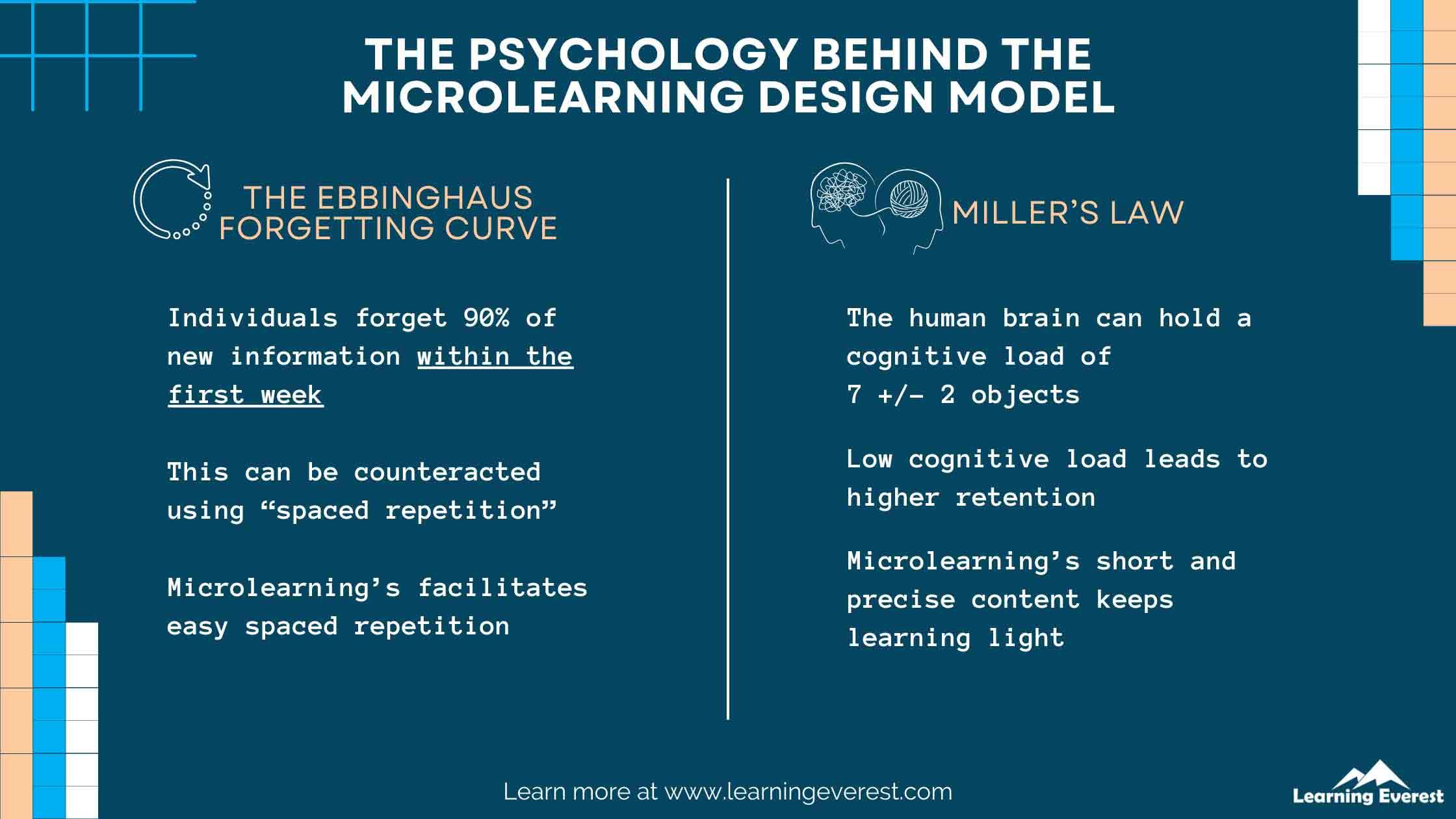
- Incorporate spaced repetition: Regularly review and revisit key concepts to promote long-term retention.
- Measure outcomes: Use analytics to track learner progress and adapt your microlearning strategy accordingly.
Practical Tips for Implementing Microlearning
- Start small: begin with one or two microlearning modules, gather feedback, and iterate based on learner response.
- Utilize gamification: Add badges, leaderboards, and rewards to increase motivation and completion rates.
- Integrate into daily routines: Encourage learners to set aside a few minutes each day for new modules.
- Promote self-paced learning: Let learners control their path and progress through content at their own speed.
- Encourage social learning: Facilitate peer discussions and knowledge sharing through forums or comment sections.
Case Studies: Microlearning in Action
Case Study #1: Corporate Training Transformation
A Fortune 500 company shifted from traditional classroom training to a microlearning platform for onboarding new employees. Content included two-minute video tutorials, scenario-based quizzes, and role-play exercises accessible via mobile devices. The result? Onboarding completion time dropped by 40%, and employee engagement scores rose substantially.
Case Study #2: Healthcare Professional Development
A hospital implemented microlearning for continuing education, focusing on new procedures and compliance protocols.Nurses accessed on-demand modules on their smartphones during shifts. Follow-up surveys revealed improved knowledge retention and a 35% increase in procedural accuracy.
Case Study #3: Higher Education Success
A university introduced microlearning in their online courses,supplementing dense subjects with flashcards,podcast snippets,and brief video lectures. Student feedback highlighted increased satisfaction, and exam pass rates improved by 20%.
Overcoming Challenges in Microlearning Implementation
While microlearning offers many benefits, it’s not without challenges. Understanding common hurdles can definitely help you proactively address them:
- Quality control: Ensuring consistency and accuracy across all modules.
- Content overload: Avoid overwhelming learners with too many modules or notifications.
- User resistance: Educate learners on the advantages and encourage buy-in through positive reinforcement.
- Integration issues: Make sure microlearning platforms synchronize with existing LMS (Learning Management System) or workflows.
First-Hand Experience: Voices from the Field
“Transitioning to microlearning in our organization was a game-changer. Our employees love the flexibility, and we’ve seen a marked improvement in their confidence and expertise—in record time.”
– HR Manager, Tech Firm
“As a student balancing work and family, microlearning fits perfectly into my schedule. I feel empowered to control my own educational journey.”
– Business Student
Best Practices for Microlearning Content Creation
- Personalize modules: Tailor content to different roles, skill levels, or learner personas.
- Optimize for search engines: Use relevant keywords, clear headings, and meta descriptions for each module.
- Encourage feedback: Actively seek learner input to refine and improve your microlearning strategy.
- Test usability: Regularly review navigation and accessibility on multiple devices to ensure a seamless experience.
- Maintain up-to-date content: Refresh modules as new information emerges to keep content relevant and accurate.
Conclusion: Empowering Modern Learners with Microlearning
The rise of remote work and digital transformation has made microlearning strategies more crucial than ever. By embracing short, targeted, and engaging content, educators and businesses can empower today’s modern learners to achieve their goals—on their terms. Whether you’re just beginning or refining your microlearning approach, keep learners’ unique needs at the heart of your strategy. With effective microlearning, training and development can be more flexible, efficient, and impactful than ever before.
For more insights on microlearning techniques, eLearning trends, or instructional design best practices, explore our website or subscribe to our newsletter. Start incorporating microlearning into your educational initiatives today and experience the transformative power of continuous, accessible learning!