
microlearning: Tailoring training Solutions to Meet the Modern Learner’s Needs
The landscape of corporate training has undergone a seismic shift in recent years. As businesses grow increasingly digital, the expectations and learning preferences of employees—especially Millennials and Gen Z—are evolving. Enter microlearning: a modern training solution designed to fit the busy lifestyles and short attention spans of today’s learners. In this in-depth guide, we’ll explore how microlearning can revolutionize workplace training, boost knowledge retention, and empower organizations to deliver effective learning experiences.
What is Microlearning?
Microlearning is an instructional strategy that delivers content in small, bite-sized segments, typically focusing on a single learning objective at a time. Instead of lengthy seminars or dense e-learning modules, microlearning encapsulates information into short videos, quizzes, infographics, or quick lessons—typically lasting between three to seven minutes.
- short and focused learning objects
- Accessible on-demand, often via mobile devices
- Encourages engagement and retention
This approach aligns perfectly with the digital habits of the modern workforce, making knowledge acquisition efficient and adaptable.
Why Microlearning Matters to the Modern Learner
The needs of today’s learners have shifted dramatically. Conventional long-form training often fails to capture attention or accommodate fast-paced work environments. Microlearning is a game-changer by offering:
- On-Demand Learning: Content is accessible anytime, anywhere, especially via smartphones and tablets.
- Just-in-Time Training: Learners acquire skills exactly when they need them,improving request and performance.
- Personalization: Modules can be tailored to individual learning paths and knowledge gaps.
- Higher Engagement: Interactive elements like quizzes, games, and videos keep learners interested and motivated.
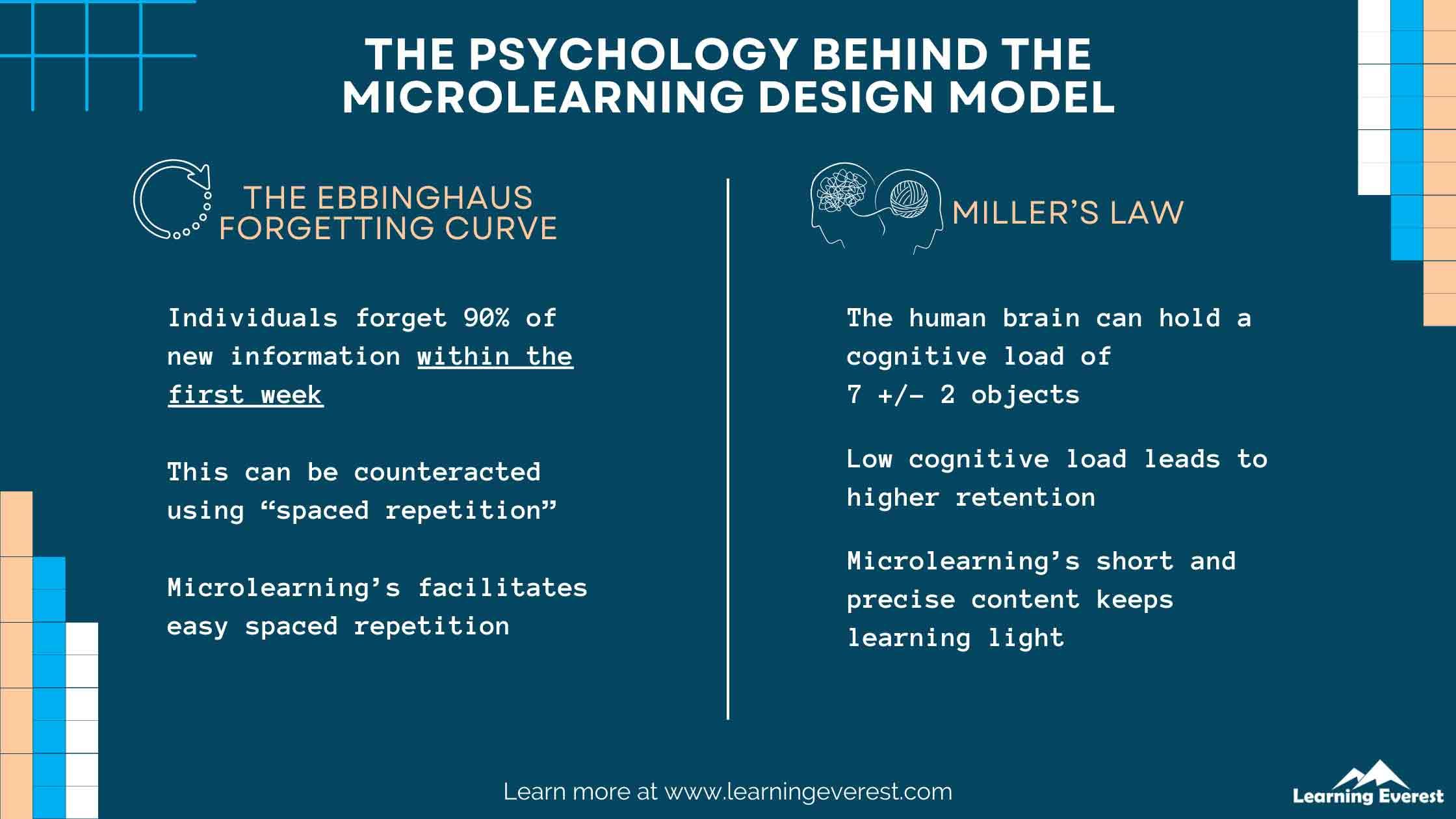
- Reduced Cognitive Overload: By breaking complex topics into smaller chunks,learners can absorb and retain information easily.
Key Benefits of Microlearning for Organizations
Implementing microlearning strategies in your corporate training program doesn’t just benefit learners—it offers tangible advantages for businesses as well:
- Improved Retention: Bite-sized content helps learners recall information longer, making training more impactful.
- Cost-Effectiveness: Smaller modules are quicker and cheaper to produce and update compared to traditional courses.
- Scalability: Easily adapt and deploy microlearning modules across teams, departments, or global offices.
- Faster Onboarding: New hires can get up to speed quickly by accessing concise, modular content on-the-go.
- real-Time Analytics: Track learner progress and engagement instantly, enabling data-driven improvements to your training strategy.
popular Formats of Microlearning
Microlearning can take many forms, making it a versatile solution for all types of training needs. Hear are some of the most effective and engaging microlearning formats:
- Interactive Videos: Short explainer or demo videos with embedded quizzes and clickable elements.
- Infographics: visual summaries distilling complex information into an easy-to-understand format.
- Flashcards: Digital or printable cards for quick knowledge checks and memory reinforcement.
- Podcasts: Short audio clips focusing on one topic,ideal for learners on-the-move.
- Micro-Quizzes: Quick assessments to check understanding and boost knowledge retention.
- Scenario-Based Simulations: Realistic decision-making exercises for practical skill application.
Best Practices for Implementing Microlearning in Your Training Solutions
To maximize the effectiveness of microlearning, consider these proven strategies:
- Start with clear Objectives: Each module should target a specific skill or knowledge area.
- Keep it Short and Focused: Limit content to 3–7 minutes per module to maintain engagement.
- Blend with Macrolearning: Microlearning works best when used to support, not replace, broader training initiatives.
- Ensure Mobile Compatibility: Optimize for smartphones and tablets so learners can engage anytime, anywhere.
- Leverage Multimedia: Use a mix of videos, audio, images, and text to cater to diverse learning styles.
- Encourage Spaced Repetition: Schedule modules at intervals to promote long-term retention and recall.
- Provide Instant Feedback: Quizzes and knowledge checks should offer real-time results and explanations.
Microlearning in Action: Case Studies
Case Study 1: Accelerating Sales Training at a Tech startup
A fast-growing technology company needed to onboard sales professionals quickly and effectively. By replacing their traditional week-long training sessions with a series of microlearning modules—short video scenarios, interactive quizzes, and weekly knowledge boosters—they reduced onboarding time by 40%. Sales staff could access training materials on their smartphones, revisiting key concepts before crucial client meetings.
Case Study 2: Compliance Training in Healthcare
A healthcare provider struggled with keeping staff up-to-date with constantly evolving compliance requirements. By switching to microlearning, they delivered short, focused modules addressing specific compliance topics.Completion rates soared from 55% to 88%, and the organization received fewer compliance-related audit issues. Instant feedback in quizzes helped employees promptly correct misconceptions.
Overcoming Challenges in Microlearning Implementation
Like any learning solution, microlearning can face hurdles during adoption. Common challenges include:
- Consistency: Maintaining a consistent tone and quality across modules can be challenging if produced sporadically or by multiple authors.
- Fragmentation: When learning is too disjointed, employees may struggle to see the bigger picture or connect concepts meaningfully.
- Measurement: Assessing true knowledge transfer and behavior change requires robust tracking and analytics, not just completion rates.
Solutions include establishing strong instructional design standards, layering microlearning within a broader blended learning strategy, and leveraging Learning management Systems (LMS) for tracking learner progress.
Practical Tips for Building a Microlearning Culture
- Engage Leadership: Involve managers and team leaders in championing microlearning adoption.
- Encourage User-Generated Content: Empower employees to create and share their own microlearning tips and resources.
- Gamify the Experience: Use badges, leaderboards, and progress tracking to sustain engagement.
- Solicit Feedback: Regularly ask learners for input on module effectiveness and usability.
- Iterate and Improve: Analyze data and update modules based on performance and learner needs.
Conclusion: Microlearning—The future of Workplace Training
As the modern learner’s expectations continue to evolve, so must our approaches to corporate training. Microlearning offers a dynamic, flexible, and highly effective solution for delivering knowledge at the moment of need. By embracing microlearning—tailoring content to be concise, engaging, and just-in-time—organizations can empower employees to learn more efficiently, apply new skills immediately, and drive measurable business results.
If you’re ready to reimagine your training strategy, now is the perfect time to explore microlearning. Start small, measure success, and watch your teams thrive in the ever-changing world of work.