
Microlearning: The Future of Training for Modern Learner Needs
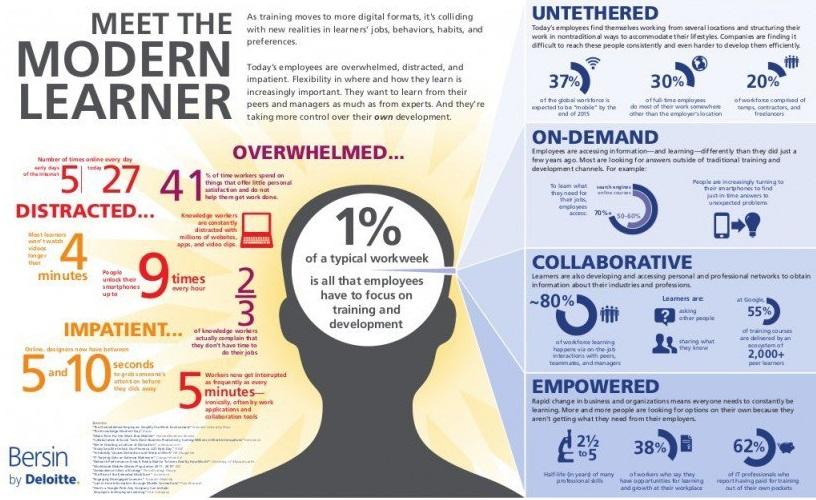
In today’s rapidly evolving digital landscape, the way we learn and train has transformed dramatically. The modern learner craves efficiency, adaptability, and engagement—enter microlearning, an innovative approach that’s reshaping workplace training and professional development. This article delves into the essence of microlearning, why it fits modern learner needs, and how organizations can leverage it to boost retention and performance.
What is Microlearning?
Microlearning refers to delivering content in small, focused bursts—often 3 to 5 minutes long—designed to meet specific learning outcomes. These bite-sized learning modules enable employees to quickly acquire knowledge and skills without disrupting busy schedules. Utilizing a variety of formats such as video clips, infographics, quizzes, and interactive modules, microlearning seamlessly integrates with digital platforms and mobile devices, making learning accessible anytime and anywhere.
- Short, focused lessons addressing a single objective
- Accessible on-demand via smartphones, tablets, or computers
- Interactive elements such as quizzes and simulations enhance engagement
- Immediate applicability to daily tasks and projects
Why Modern Learners Prefer Microlearning
The modern workforce is bombarded with information and faces relentless time constraints. Conventional, hours-long training sessions often fall short when it comes to engaging and retaining busy employees. Microlearning addresses these challenges by aligning with modern learning preferences:
- Flexibility: Learners engage with content on their own terms, weather it’s during a coffee break or on the commute.
- Relevancy: Bite-sized modules focus on solving immediate workplace problems, increasing motivation to learn.
- Retention: Short, focused content helps combat cognitive overload and supports long-term retention.
- Engagement: Interactive and multimedia-rich modules cater to different learning styles and keep users interested.
“Microlearning empowers the modern learner by delivering relevant, just-in-time knowledge that sticks.”
Key Benefits of Microlearning for Corporate Training
- Improved Knowledge Retention: Breaking down complex concepts into digestible chunks aligns with how human memory works—leading to higher retention rates.
- Cost and Time Efficiency: Swift content creation and shorter training sessions reduce costs and minimize downtime for employees.
- Increased Learner Engagement: Gamified elements and interactive assessments keep learners motivated and involved.
- Personalized Learning Paths: Learners can select modules relevant to their roles, creating a tailored experience.
- On-the-Go Learning: Mobile-amiable microlearning supports remote workforces and just-in-time learning at the point of need.
- scalability: Organizations can update and distribute microlearning content rapidly across locations and devices.
How to Implement Microlearning Strategically
Transitioning to microlearning doesn’t mean abandoning all traditional learning methods. Instead, organizations can blend microlearning into existing programs for maximum impact. Here are some practical tips for successful integration:
- Identify Clear Learning Objectives: Focus each micro-module on a single,actionable goal to ensure relevance and effectiveness.
- Leverage Multimedia Formats: Use videos, infographics, podcasts, and interactive assessments to cater to diverse learning styles.
- Adopt Mobile-First Design: Ensure content is accessible and functional on all mobile devices for true on-the-go learning.
- utilize Learning Management Systems (LMS): Platforms such as Moodle, TalentLMS, or WordPress LMS plugins allow you to organize, track, and assess microlearning modules efficiently.
- Incorporate Gamification: Features like badges, scores, and leaderboards can boost motivation and healthy competition.
- Collect Feedback and Analyse Data: Regularly review learner performance and satisfaction to refine your microlearning offerings.
Case Studies: Microlearning in Action
Leading companies across industries have successfully adopted microlearning to meet employee training needs. Here are a few compelling examples:
1. Deloitte: Accelerating Onboarding with microlearning
Global consultancy firm Deloitte implemented microlearning modules in their onboarding process. New hires accessed a series of short, scenario-based videos and quizzes that accelerated integration into complex workflows. The result was a 30% reduction in onboarding time and higher employee satisfaction scores.
2. Walmart: Improving safety compliance
The retail giant Walmart introduced microlearning content on mobile devices for store associates to boost safety and compliance training. Employees could review key procedures just before starting high-risk tasks, reducing incident rates and reinforcing a safety culture.
3. Google: Enhancing Soft skills Training
Google rolled out microlearning modules for soft skills development, including communication and leadership. Interactive,bite-sized lessons enabled employees to practice techniques in real time,resulting in improved team collaboration and communication metrics.
Tips for creating Effective Microlearning Content
- focus on a Single Learning Objective: Avoid overloading modules—each shoudl teach one concept or skill.
- keep Content Concise: Aim for 2-7 minutes per module.
- Include Real-World scenarios: Increase relevance by anchoring lessons in relatable, practical situations.
- Use Strong Visuals: Infographics and short videos can convey information faster and more memorably than text alone.
- Make Assessments Interactive: Use quizzes, drag-and-drop activities, or simulations to reinforce knowledge.
- Ensure Accessibility: Design for all learners by adhering to accessibility guidelines (e.g., captions, mobile compatibility).
Microlearning and the Future of Corporate Training
as workplaces champion agility and continuous learning, microlearning is poised to become a cornerstone of corporate training strategies. With emerging technologies such as artificial intelligence,augmented reality,and personalized learning analytics,microlearning will only grow in sophistication,offering unprecedented customization and support for diverse,globally-dispersed workforces.
forward-thinking organizations are already prioritizing microlearning to:
- Enable just-in-time learning at the point of need
- Adapt training to evolving business goals and compliance requirements
- Empower employees to direct their own professional development journeys
Conclusion
Microlearning is redefining training for the modern learner, combining flexibility, relevance, and engagement with real-world impact.By adopting microlearning strategies, organizations can future-proof their workforce, maximize productivity, and foster a culture of continuous development. Whether you’re building onboarding modules, upskilling teams, or reinforcing compliance, microlearning is the future-ready solution you need to meet evolving learner expectations—and gain a competitive edge in today’s dynamic market.
Ready to revolutionize your association’s learning strategy? Embrace microlearning and watch your training results soar!