
microlearning: The Future of Training for Modern Learners’ Needs
In the rapidly evolving landscape of workplace learning and development, microlearning has emerged as a transformative trend.Discover how this powerful approach is meeting the needs of modern learners and shaping the future of effective training.
What is Microlearning?
Microlearning refers to delivering educational content in small, bite-sized units, typically lasting between 3 to 10 minutes. Rather than overwhelming learners with lengthy courses or dense manuals, microlearning focuses on specific skills or knowledge nuggets that can be easily understood and applied.
Thanks to the integration of digital platforms and mobile devices, microlearning has become a crucial part of modern employee training, compliance programs, and professional development initiatives across industries.
- Fast, focused learning modules
- Multimedia content like videos, quizzes, and infographics
- Accessible anytime, anywhere
- Designed for immediate knowledge request
Why Microlearning is the Future of Training
The shift to microlearning is not just a workplace trend—it’s a natural evolution responding to the needs and behaviors of modern learners.Some compelling reasons why organizations are embracing microlearning include:
1. Aligning with Modern learner Habits
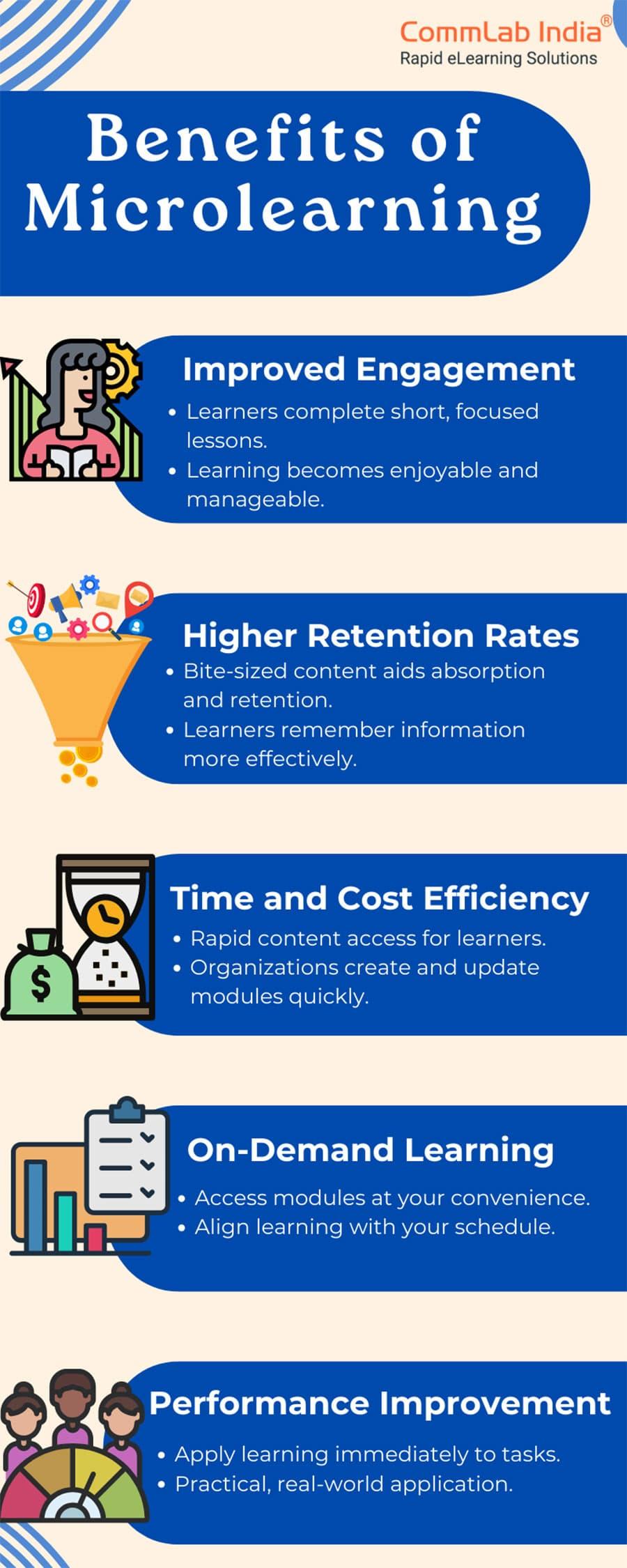
Today’s professionals often struggle to dedicate large blocks of time to learning. They want to learn on-demand, at their own pace, and preferably on mobile or digital devices. Microlearning fits seamlessly into busy schedules, empowering self-directed learning.
2. Enhanced Knowledge Retention
Research suggests that short, focused lessons boost memory retention compared to customary training. By spacing content and reinforcing key messages over time, microlearning helps combat the “forgetting curve.”
3. Cost-Effective Training Solutions
Microlearning allows businesses to update, distribute, and repeat training at a fraction of the cost of traditional workshops or seminars. This is especially vital for global companies and remote teams.
4. Higher Learner Engagement
Learning in short bursts keeps employees attentive, engaged, and motivated. Gamification, interactive content, and instant feedback are commonly embedded in microlearning experiences, making training enjoyable and effective.
Key Benefits of Microlearning for Modern Organizations
- Increased Accessibility: Learners can access content anytime, on any device, promoting continuous learning.
- Personalization: Training can be tailored to individual needs, skill gaps, or job roles.
- Faster Time-to-Competency: Employees gain relevant skills quickly, enhancing productivity.
- On-the-Job Applicability: practical,relevant modules can be consumed just-in-time,directly supporting workflow.
- Easy Tracking and Analytics: Learning management systems (LMS) can precisely track progress, engagement, and outcomes.
Practical Tips for Implementing Microlearning in Your Organization
Ready to adopt a microlearning strategy? Here are actionable tips to make your transition triumphant:
- Identify Core Skills: Focus on high-impact competencies and create concise modules around them.
- leverage Multimedia: Use video, infographics, podcasts, and interactive quizzes to appeal to different learning styles.
- Ensure Mobile Compatibility: Design content that is responsive and easily accessible on all devices,especially smartphones.
- Promote Self-Paced Learning: Allow employees to choose learning paths aligned with career development goals.
- assess and Iterate: Continuously collect feedback, monitor analytics, and improve training content for relevance and effectiveness.
Case Studies: Microlearning in Action
Case Study 1: Accelerating Onboarding in Tech
A leading software company implemented microlearning modules for new-hire onboarding. Rather of week-long presentations, recruits completed 10-minute lessons at their own pace, paired with hands-on practice. The result? Onboarding time was reduced by 35%, and knowledge retention scores improved by 40%.
Case Study 2: Just-in-Time Compliance Training
An international finance firm used microlearning to deliver compliance updates in bite-sized videos to thousands of employees worldwide. Completion rates soared to 92% and incident rates declined, thanks to more frequent, targeted training.
Case Study 3: Retail Upskilling
A global retail chain leveraged microlearning for product knowledge and customer service skills. Associates accessed short modules on tablets and smartphones during downtimes, leading to measurable improvements in customer satisfaction ratings.
First-Hand Experience: The Learner’s Viewpoint
Employees consistently report positive experiences with microlearning. According to a LinkedIn Workplace Learning Report,58% of employees prefer self-paced learning in short bursts over traditional classroom settings.Learners highlight:
- Less disruption to daily work
- Control over learning speed and order
- Greater motivation to complete and revisit modules
- Immediate application of newly acquired skills
”Microlearning allows me to upskill between meetings and on my commute. I remember more, and I can promptly use what I learn.” — Marketing Specialist, Fortune 500 company
The Role of Technology in Powering Microlearning
The success of microlearning relies heavily on modern LMS platforms, mobile apps, and AI-driven personalization. Organizations are leveraging technologies like:
- Mobile Learning Apps: providing instant access to learning on smartphones and tablets.
- AI-Powered Personalization: recommending tailored content based on user skills and preferences.
- Gamified Learning environments: Enhancing engagement through leaderboards, points, and badges.
- Integration with productivity Tools: Embedding learning in daily workflows (e.g., Slack, Teams, email).
Conclusion: Embrace the Future with Microlearning
Microlearning is no longer a buzzword—it’s a vital approach for organizations seeking to future-proof their workforce. With its versatility, effectiveness, and alignment with modern learner needs, microlearning is revolutionizing how we approach corporate training and development.
By embracing microlearning strategies and leveraging innovative technologies, your organization can unlock higher engagement, faster skill acquisition, and a culture of continuous advancement. The future of training is here—are you ready to lead the change?
Start your microlearning journey today and transform the way your team learns, grows, and excels.