
Microlearning: The Key to Meeting Modern Learner Needs Efficiently
In today’s fast-paced, digital-driven world, the way we learn and share knowledge is evolving rapidly. Customary, lengthy training sessions often struggle to capture and maintain learner engagement or to address the real-time demands of the modern workforce. Microlearning has emerged as a powerful solution, offering bite-sized educational experiences that fit seamlessly into busy schedules, enhance retention, and promote practical application. If you’re seeking effective, scalable strategies for knowledge transfer, microlearning is the key to meeting modern learner needs efficiently.
What is Microlearning?
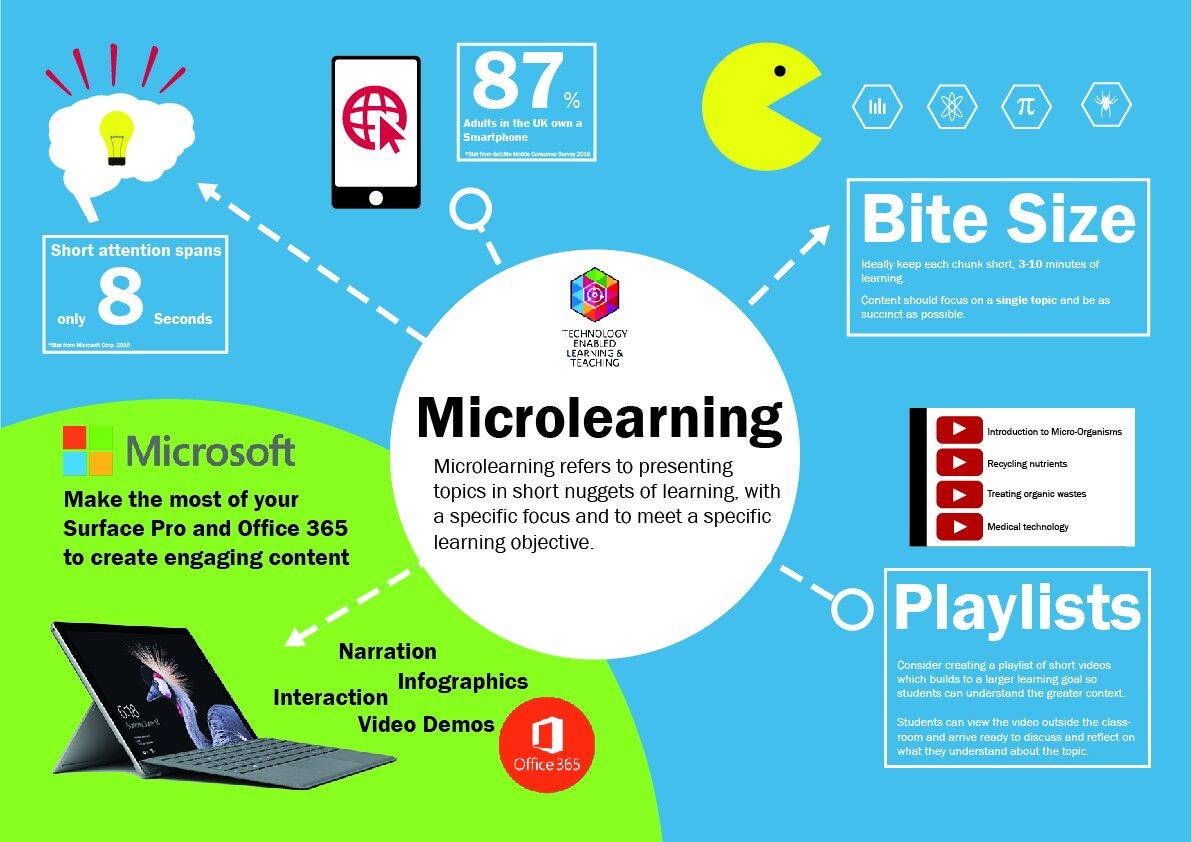
Microlearning refers to an educational approach focused on delivering small, manageable segments of content that target specific learning objectives.These “bursts” of facts—frequently enough ranging from two to fifteen minutes—can be accessed on-demand, allowing learners to acquire skills or knowledge precisely when and where they need it. Whether delivered via mobile apps, videos, quizzes, infographics, or podcasts, microlearning is designed for convenience, adaptability, and immediate relevance.
Key Characteristics of Microlearning
- Bite-Sized: Information is distilled into small, focused modules.
- Accessible: Content is available anytime, anywhere, often on mobile devices.
- Goal-Oriented: Each module targets a specific outcome or skill.
- Engaging: Multimedia formats ensure interactive and motivating experiences.
- Just-In-Time: Learners access learning at the moment of need.
Why Microlearning is Essential for Modern Learners
Modern learners face new realities: shrinking attention spans, information overload, remote work environments, and a constant demand for up-to-date skills. Whether in corporate training, education, or self-directed professional development, microlearning directly addresses these challenges by offering:
- Flexibility: Learning can happen “on-the-go,” fitting around busy schedules and workflows.
- Personalization: Learners choose what, when, and how they engage with content.
- Improved Engagement: Short, focused bursts align with how our brains best process information.
- Faster Skill Acquisition: Just-in-time learning ensures immediate application of new knowledge to tasks.
- Better Knowledge retention: Repeated, spaced exposure to content strengthens memory and mastery.
According to the Brandon Hall Group, microlearning can increase learning engagement by 50% and enhance knowledge retention by up to 80% compared to traditional training methods.
Benefits of microlearning: Maximizing Efficiency and Impact
Enhanced Learner Engagement
Microlearning leverages interactive formats—videos, gamified quizzes, flashcards, and scenario-based exercises—keeping content fresh and learners motivated. Gamification elements such as badges, leaderboards, and instant feedback foster pleasant competition and consistent user participation.
Greater Accessibility and Convenience
Modern learners demand mobile-optimized, cloud-based solutions. Microlearning platforms make training resources available across devices, empowering users to learn in their downtime, en route, or between job tasks.
Improved Knowledge Retention and Application
The format of microlearning takes advantage of the spacing effect—the process of revisiting content at intervals to enhance memory retention. Learners are also more likely to immediately apply new skills, increasing the relevance and real-world impact of their training.
Cost and Time Effectiveness
Organizations save time and reduce costs by:
- Shortening course development cycles
- Reducing time away from productive work
- Minimizing the need for travel and classroom resources
Microlearning fits easily into daily routines, ensuring less disruption and more continuous development.
Personalized and Adaptive learning paths
Advanced microlearning platforms often incorporate analytics and AI to track user progress, recommend relevant modules, or adjust pacing to suit individual learning styles and competency levels.
Real-World Success Stories: Microlearning in Action
From Fortune 500 companies to educational institutions, organizations worldwide are embracing microlearning as a cornerstone of their learning strategies. Let’s explore some real-world examples:
Case Study: Walmart’s Retail Skills Training
Walmart implemented microlearning modules accessible via mobile devices for its 2.2 million employees. Results included increased employee engagement, reduced training costs, and improved customer service skills. The just-in-time nature of the training meant employees could solve problems on the floor, enhancing both productivity and confidence.
Case Study: Google’s Manager Training Program
Google developed a microlearning program for new managers, delivering short educational bursts on crucial topics such as giving feedback, managing teams, and conflict resolution. Participants reported higher confidence and effectiveness, attributing the improvement to the bite-sized, actionable format.
Educational Sector: K-12 and Higher ed
Schools and universities increasingly deploy microlearning to supplement traditional lectures. For instance, Harvard University’s online courses often feature micro-units—short, focused lessons followed by real-world application exercises—to maximize engagement and learning outcomes.
Practical Tips: How to Implement Microlearning Successfully
To unlock the full potential of microlearning and align it with your institution’s learning goals, consider the following best practices:
- Define Clear Learning Objectives: Each micro-module should target a specific skill or knowledge area.
- Keep Content Focused and Concise: Avoid information overload. Stick to ”need-to-know” essentials.
- Incorporate Multimedia: use videos, podcasts, images, quizzes, and interactive tools to cater to diverse learning styles.
- Enable Mobile Access: Ensure modules are optimized for seamless mobile learning experiences.
- Leverage Spaced Repetition: Schedule regular reviews to enhance retention and mastery.
- Use Analytics to Personalize Learning: Deploy platforms that track user progress and adapt to individual learner needs.
- Encourage Social Learning: Integrate discussion boards, peer reviews, and collaborative activities to foster community and shared learning.
The Future of Microlearning: Trends to Watch
Microlearning continues to evolve alongside advances in technology and pedagogy. Emerging trends shaping the future include:
- AI-driven Personalization: Machine learning tailors content and pacing, ensuring optimal learner engagement and success.
- Mobile-first Design: mobile-optimized learning will dominate with instant push notifications and micro-assessments.
- Integration with AR/VR: Immersive experiences will make complex concepts more accessible and interactive.
- Data-driven Insights: Deep analytics will offer granular feedback to learners and course designers, continually enhancing learning outcomes.
- Increased Use in Compliance and Just-in-Time Training: Organizations will rely heavily on microlearning for rapid updates in regulations,processes,and critical skills.
Conclusion: Microlearning is the Ultimate Solution for Modern Learner Needs
Microlearning represents a paradigm shift in the way we approach education and professional development.Its short, focused, and accessible lessons meet the expectations and preferences of today’s learners—whether they are corporate employees, educators, or students. By incorporating microlearning into your organization’s training strategy, you can increase engagement, improve knowledge retention, and reduce training costs, all while delivering timely, effective learning experiences.
If you’re looking to boost learning outcomes and stay ahead in a dynamic, rapidly-changing world, now is the perfect time to embrace microlearning as the key to meeting modern learner needs efficiently.