
Microlearning: The Key to Meeting Modern Learner Needs Efficiently
In the fast-paced digital age, our attention spans are shrinking and our to-do lists are growing. As technology transforms workplaces and education, traditional learning models often fall short in keeping pace wiht modern learner needs. Enter microlearning—a dynamic, efficient approach to training and education designed for today’s busy world.
What Is Microlearning?
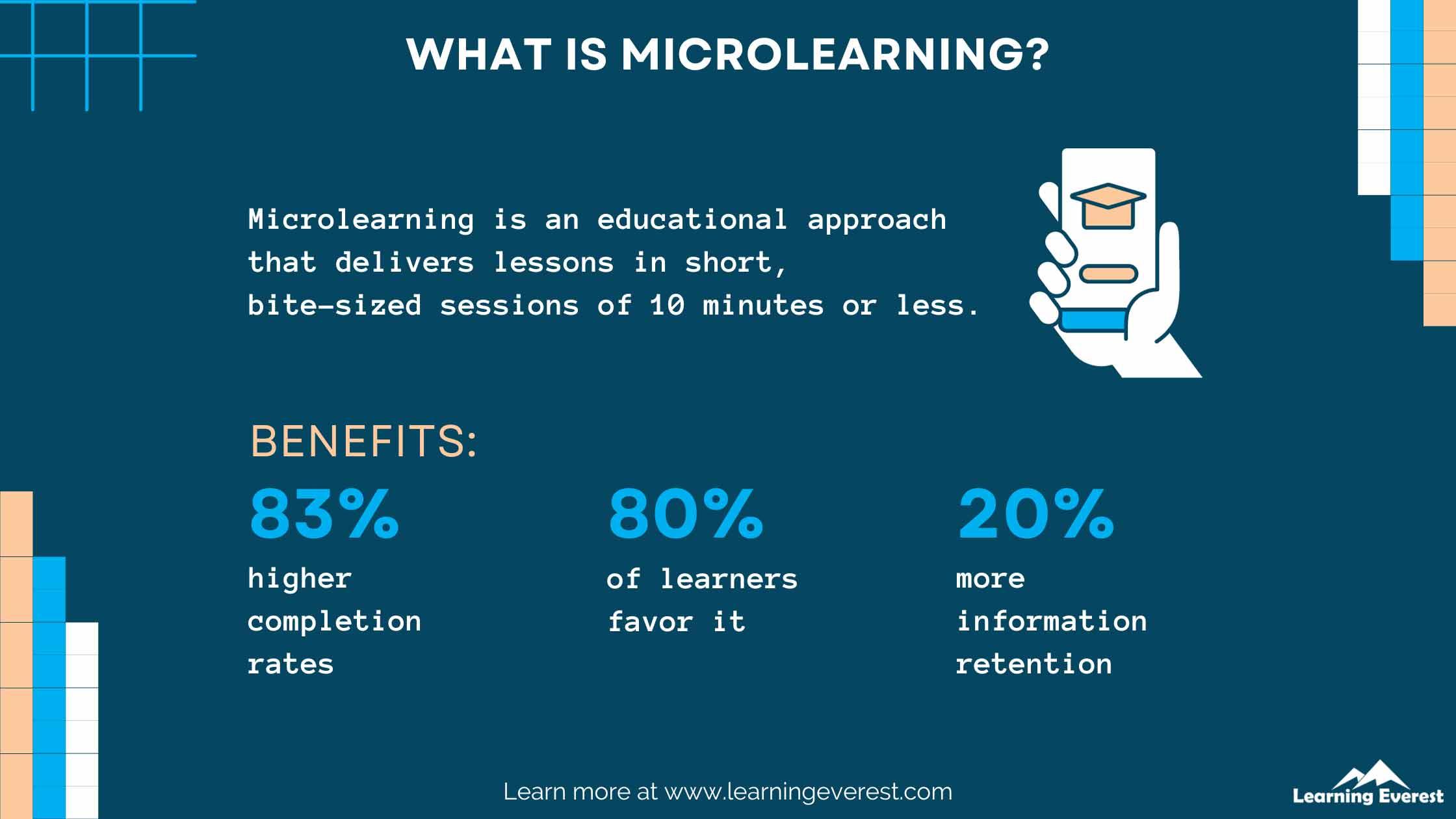
Microlearning is an instructional strategy that delivers small, easy-to-digest content segments in focused bursts, typically lasting between two to ten minutes. Unlike lengthy eLearning modules or classroom-based lectures, microlearning is concise, highly targeted, and accessible across devices.Whether it’s a fast video, an interactive quiz, or a catchy infographic, microlearning solutions are designed to provide just-in-time support and maximum knowledge retention.
Why Microlearning Is Perfect for the Modern learner
- Short Attention Spans: With the digital deluge, learners prefer content that gets straight to the point.
- Mobile-First Mindset: Microlearning modules are optimized for mobile devices, letting users engage anytime, anywhere.
- Personalization: Content can be tailored to individual learning paths, interests, and performance gaps.
- On-Demand Learning: Learners can access content as needed, empowering self-directed growth.
The Benefits of Microlearning
The popularity of microlearning is no surprise given it’s multitude of advantages over traditional training methods:
- Higher Engagement: Bite-sized modules are less overwhelming, encouraging regular participation and completion.
- Improved Retention: By focusing on key concepts,microlearning enhances memory and recall—backed by the “spacing effect” in cognitive psychology.
- Cost-Effectiveness: Smaller modules mean quicker advancement, lower production costs, and greater scalability for organizations.
- Seamless Integration: Microlearning can complement existing learning management systems (LMS) and can be embedded directly into workflows.
- Flexible Formats: Videos, quizzes, podcasts, infographics—microlearning supports multiple media for different learning styles.
How to Implement Microlearning Effectively
To unlock the full potential of microlearning in your organization, consider these strategic steps:
- Define Learning Objectives: Identify the specific knowledge gaps or skills your learners need to address.
- Break Down Content: Divide complex topics into focused,individual units. Each module should cover one learning objective.
- Choose the Right Format: Select formats that appeal to your audience—videos for demonstrations, quizzes for knowledge checks, flashcards for memorization, etc.
- promote Mobile Access: Use responsive design and mobile-kind technologies to ensure learners can engage on the go.
- Incorporate Interactivity: Add polls, gamified elements, and scenario-based assessments to boost engagement.
- Analyze and Iterate: Gather learner feedback and usage data to continuously improve your microlearning modules.
Real-World Microlearning Case Studies
Organizations worldwide are leveraging microlearning to address evolving training demands. Here are two notable examples:
Case Study 1: Walmart – Scalable Retail Training
Walmart employs microlearning to train its massive retail workforce. Using short mobile videos and interactive quizzes,associates receive just-in-time training on customer service,compliance,and product knowledge.The result? Improved retention, faster onboarding, and measurable performance improvements at scale.
Case Study 2: Unilever – Global Compliance Training
Unilever adopted a microlearning platform for compliance training across its global operations. By breaking down critical topics like anti-bribery and data protection into 5-minute modules,the company saw a marked increase in completion rates and a decrease in learner fatigue.
First-Hand Experiences: Microlearning in action
As a learning program manager, I witnessed first-hand the change microlearning brought to a regional healthcare provider. By shifting from hour-long seminars to daily five-minute video lessons, staff engagement skyrocketed. employees appreciated the autonomy to learn at thier own pace,and our knowledge assessments showed notable improvement in retention and practical application.
“The flexibility of microlearning has revolutionized the way our teams learn—short, focused, and exactly what we need at the right time.” — HR Director, Healthcare Industry
Practical Tips for Creating Powerful Microlearning Content
- Focus on One Learning Objective Per Module: Avoid information overload. Each unit should serve a single goal.
- Use Storytelling: Relatable scenarios and real-life stories help learners remember key points.
- keep Media quality High: Crisp visuals and clear audio make bite-sized content even more effective.
- Enable Social Sharing: Allow learners to share useful modules with colleagues for collaborative learning.
- Microlearning + Macrolearning: Complement in-depth courses with quick microlearning refreshers for long-term mastery.
Microlearning and Learning Management Systems (LMS)
Microlearning fits perfectly within modern LMS platforms, especially those built with WordPress or similar CMS frameworks. Plugins and themes enable you to:
- Dynamically schedule microlearning modules for spaced repetition.
- Track learner progress on bite-sized courses.
- Push notifications and reminders for quick daily learning tasks.
- Reward participation with certificates and badges.
By integrating microlearning content into your LMS, you streamline the delivery, monitoring, and optimization of employee learning experiences.
frequently asked Questions About Microlearning
- How long should a microlearning module be?
- Typically, modules last between 2–10 minutes. The key is to keep them short enough for quick consumption yet long enough to cover one objective.
- Does microlearning replace traditional training?
- No—microlearning complements conventional methods by providing flexible, on-demand updates and refreshers.
- is microlearning effective for all topics?
- Microlearning works best for concise,skill-based,or procedural knowledge. More complex topics may require a blended approach.
Conclusion: Microlearning Empowers Modern Learners
Adapting to the needs of the modern learner demands a fresh approach—one that’s agile, accessible, and impactful. Microlearning stands out as an efficient, scalable solution for busy professionals, global organizations, and anyone seeking to master new skills in today’s digital world. By embracing small, meaningful learning experiences, you open the door to higher engagement, stronger retention, and measurable results. Whether you’re designing a training strategy or planning your next eLearning project, make microlearning a cornerstone of your approach—and see the difference it can make.
Ready to revolutionize your learning programs?
Explore microlearning solutions today and meet the needs of the modern learner—efficiently and effectively!