
microlearning: The Key to Meeting Modern learners’ Needs in Today’s Fast-Paced World
In today’s digital age, learning and development processes are evolving rapidly to keep pace with technological advancements and shifting learner expectations. Modern learners are constantly bombarded with details, juggling multiple responsibilities, and often lacking extended periods for focused learning sessions. This is where microlearning steps in. In this article,we’ll dive deep into how microlearning is not just a trend but the key solution catering to the needs of learners in our fast-paced world.
What is Microlearning?
Microlearning is an educational approach that delivers content in short, easily digestible units, typically focused on a single learning objective. These learning nuggets are often designed to be consumed in just a few minutes, making them ideal for on-the-go learners seeking practical, immediate knowledge.
- Short and focused content (frequently enough 3-7 minutes)
- Accessible on multiple devices, especially mobile
- Targets a single skill or topic per session
- Often includes rich media—videos, infographics, quizzes
Whether it’s a fast tutorial, a condensed lesson, or a rapid skills assessment, microlearning adapts seamlessly to modern lifestyles.
Why Microlearning Meets Modern Learners’ Needs
The workforce today wants training that is engaging, flexible, and immediately relevant. Hear’s why microlearning is perfectly suited for today’s learners:
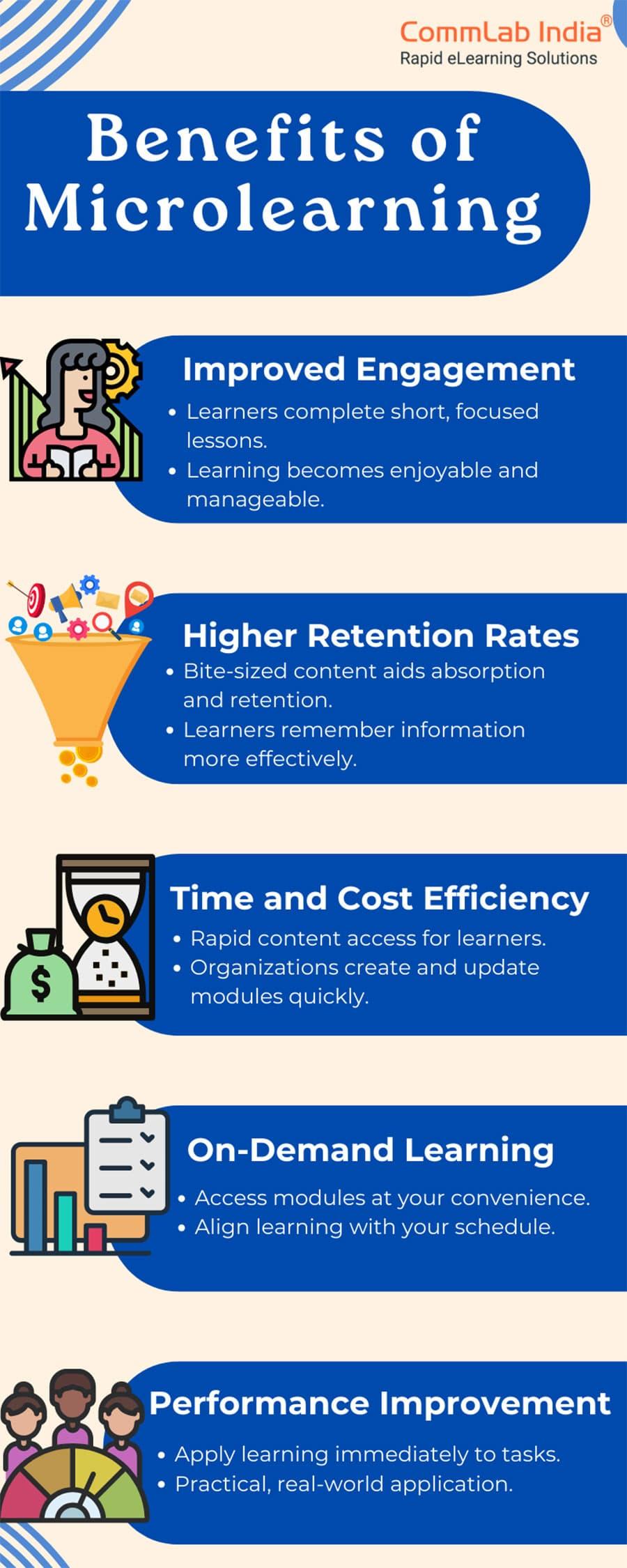
- Time-Efficient: Short modules mean learners can easily fit training into busy schedules.
- Improved Retention: Focused, bite-sized chunks reduce cognitive overload, helping learners remember more.
- On-Demand Learning: Learners can access content anytime, anywhere—maximizing convenience.
- Mobile Compatibility: Most microlearning is designed for smartphones and tablets, catering to the device preferences of modern users.
- Immediate Application: Quick lessons empower learners to apply knowledge in real-time scenarios.
Microlearning supports the modern learner’s need for just-in-time learning, helping them stay ahead in a rapidly changing world.
The Top Benefits of Microlearning
Organizations and educational institutions are embracing microlearning for numerous compelling reasons. Here are some key benefits:
1.Higher Engagement Rates
Microlearning’s concise format keeps learners motivated, reducing drop-off and completion rates.
2. Cost-Effective
Developing microlearning modules generally requires less time and resources compared to customary courses.
3. Personalized Learning Pathways
Learners can pick and choose topics most relevant to their immediate needs or career goals.
4. Rapid Deployment of Knowledge
Businesses can disseminate updates or crucial information to employees instantly.
5. Scalability
Easily create and distribute content across global teams, ensuring consistent messaging and training.
Microlearning in action: case Studies
Case Study 1: Onboarding in Tech Companies
A leading software company transformed its employee onboarding by replacing lengthy training sessions with a series of microlearning modules. New hires completed interactive, scenario-based lessons on company policies and product features via a mobile app. The result? Faster ramp-up times and a measurable increase in knowledge retention.
Case Study 2: Healthcare Compliance Training
A major hospital adopted microlearning for compliance training.Staff accessed short, multimedia lessons on their phones, with instant quizzes to reinforce critical policies. Compliance scores improved by 30%, with staff citing the easy, non-intrusive format as a key benefit.
Case Study 3: Retail Sales Mastery
For a global retail chain, microlearning modules delivered bite-sized product updates and sales tips. Employees could quickly learn new skills during downtime, resulting in improved customer service and a notable increase in sales per associate.
Practical Tips: Implementing Microlearning Effectively
Ready to embrace microlearning in your association or educational institution? Here are some best practices to ensure success:
- Define Clear Objectives: Each microlearning module should address a single, specific learning goal.
- Utilize Multimedia: Engage learners with a blend of videos, infographics, short texts, and interactive quizzes.
- Mobile-First Design: Optimize lessons for smartphone and tablet access.
- Incorporate Gamification: Elements like badges,points,and leaderboards can further motivate participation.
- Measure Results: Use analytics to track engagement, completion, and learning outcomes. Adjust content as needed.
- Encourage Continuous Learning: release new modules regularly to drive ongoing development and skill-building.
First-hand Experience: voices from the Field
“Microlearning has totally changed how our team approaches professional development. Rather of feeling overwhelmed by big courses, we can focus on mastering one small concept at a time, right in the flow of work.”—Sarah T., HR Manager
“What I love most about microlearning is the adaptability. I can brush up on a new regulation or sales tip during my commute. It fits perfectly with my busy lifestyle.”—Kevin L., Retail Associate
Conclusion: microlearning—An Essential Strategy for Modern learning
microlearning stands out as a powerful, flexible tool that empowers both learners and organizations in today’s fast-paced environment.By offering short, targeted, and mobile-friendly learning experiences, it bridges the gap between traditional training and modern, agile learning demands. If your goal is to boost engagement, improve retention, and support ongoing development, microlearning is the key strategy to deliver impactful learning—anytime, anywhere.
Start integrating microlearning into your Learning Management System (LMS) today and witness a transformation in how your audience learns, grows, and succeeds in our constantly evolving world.