
Microlearning: The Ultimate Solution for Modern Learner Needs in 2024
The way we learn is changing at lightning speed. In a world flooded with information,long and tedious training sessions are swiftly making way for concise,targeted,and flexible learning solutions. Enter microlearning: an innovative learning approach designed for the fast-paced,digital-centric lifestyles of modern learners. In this complete guide, we’ll delve into why microlearning has become the ultimate solution for learner needs in 2024, its powerful benefits, real-life case studies, and actionable tips for implementation. Whether you’re an educator, HR professional, or business leader, discover how you can leverage microlearning to boost engagement, retention, and performance.
What is Microlearning?
Microlearning is a learner-focused training method that delivers information in small, bite-sized chunks, typically lasting between 2 to 10 minutes. Its core ideology centers on focused, single-objective modules that are easily accessible anytime, anywhere—perfect for on-the-go learners of 2024.
- Short, focused lessons
- Delivered via mobile devices or online platforms
- Engaging formats like videos, quizzes, flashcards, and infographics
- On-demand and self-paced learning
Microlearning’s versatility means learners can fit knowledge acquisition seamlessly into their busy schedules—an essential feature in today’s dynamic workplace and educational settings.
Why is Microlearning the Ultimate Solution for Modern Learners in 2024?
as digital conversion reshapes the way we live and work, customary classroom-based or lengthy eLearning modules are falling short. Here’s why microlearning in 2024 emerges as the gold standard for modern education and training:
- Time-Efficiency: Modern learners juggle tight schedules, making it tough to dedicate hours to learning.Microlearning fits into daily routines, supporting learning on the move.
- Improved Knowledge Retention: Studies show that short, repeated bursts of learning enhance long-term memory—thanks to the science of spaced repetition.
- Personalization: Learners can focus on gaps in their knowledge and select modules tailored to their needs.
- Just-in-Time Learning: Employees and students can access relevant content exactly when they need it, boosting real-world performance.
- Mobile-First Experience: With smartphones ubiquitous in 2024, microlearning travels with the learner, increasing accessibility and engagement.
“Microlearning has transformed the way our teams access critical information. The flexibility and targeted content have improved both productivity and employee satisfaction.”
– HR Director, Global Tech Firm
Key Benefits of Microlearning in 2024
Adapting to rapidly evolving information landscapes means that learners and organizations need nimble, evidence-based solutions.Microlearning offers a host of advantages:
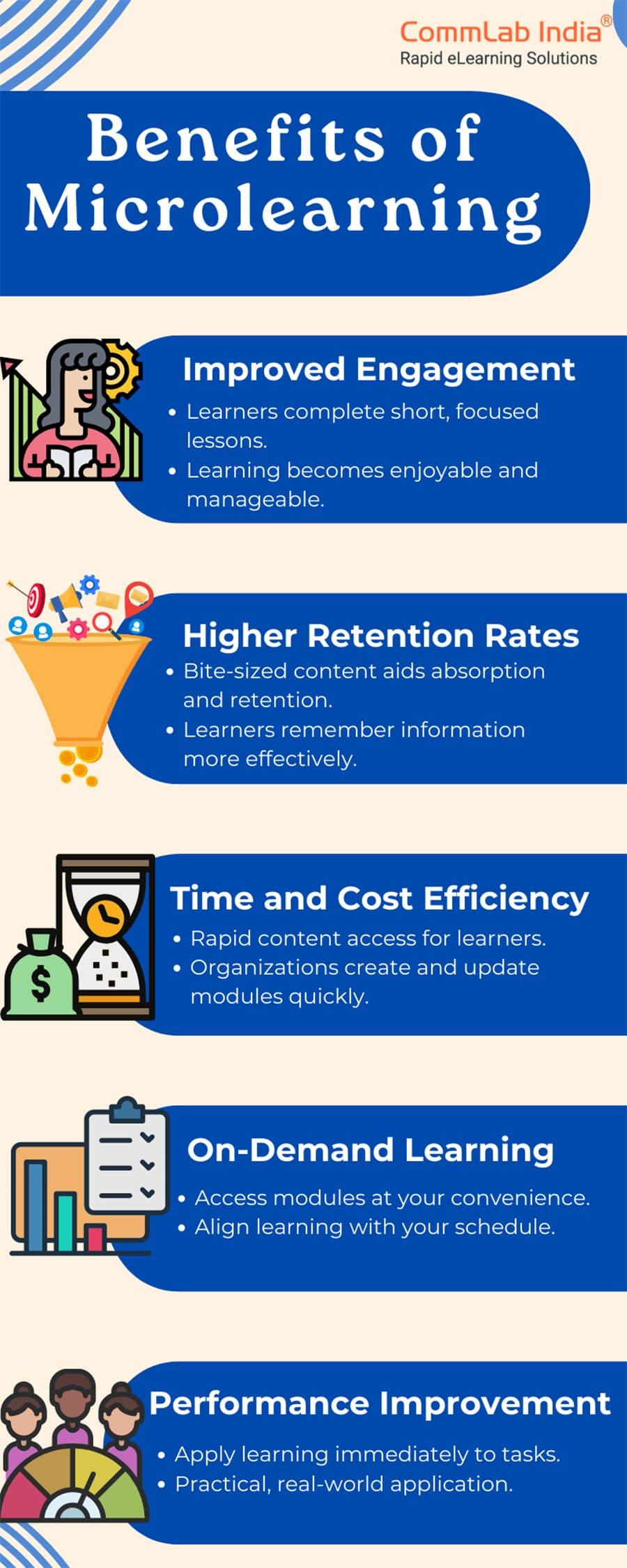
- Higher Engagement: Micro-content encourages frequent interaction and boosts motivation with gamified elements and fast wins.
- Cost-Effective: Short modules are faster and cheaper to develop, update, and scale compared to full courses.
- Up-to-date Content: Bite-sized lessons are easy to revise as new information emerges or business priorities change.
- universal Accessibility: Supports different learning styles and accessible formats for all employees, including remote and deskless workers.
- Data-Driven Insights: Microlearning platforms track learner progress more granularly, enabling smarter analytics and personalization.
How to Implement Microlearning: Practical Tips for 2024
Ready to integrate microlearning into your training strategy or classroom? Here are actionable steps to maximize impact:
1.Identify Clear Learning Objectives
Each module shoudl focus on a single, well-defined outcome. Break complex subjects into digestible segments.
2. Use Engaging Multimedia Formats
- Short videos or animations
- Infographics and charts
- quick quizzes and interactive polls
- Audio snippets or podcasts
- Slide decks and flashcards
3. Leverage Mobile Learning Platforms
Choose a microlearning platform that supports responsive design, touchscreen navigation, and offline access.
4. Integrate With Existing Systems
Seamlessly connect your microlearning content with Learning Management Systems (LMS), HR platforms, or school apps for easy tracking and reporting.
5. Gather Feedback & Analyze Data
Collect feedback regularly and use analytics to optimize your content. Test new formats and delivery intervals to uncover what works best for your learners.
Real-Life Case Studies: Microlearning Success Stories
Case Study 1: Boosting Employee Skills in a Global Retailer
A multinational retail chain used microlearning modules to upskill 10,000+ front-line employees on new health and safety protocols. Results included faster onboarding, a 35% increase in compliance scores, and a 20% reduction in training costs.
Case Study 2: Higher Ed Goes Micro
A leading university introduced bite-sized video lectures for its online courses, resulting in a 15% increase in completion rates and higher student satisfaction scores compared to traditional formats.
Case Study 3: Tech Firm Accelerates Product Training
When launching new software, a tech company delivered microlearning scenario-based lessons. This approach decreased customer support queries by 27% as users learned features exactly when needed.
First-Hand Experience: A Learner’s Perspective
“As a remote worker constantly juggling meetings, I struggled to keep up with mandatory training. Microlearning changed the game for me. I now absorb complex topics through 5-minute modules during coffee breaks, and actually remember the info! The flexibility and instant feedback keep me motivated to learn more.”
– Priya S., Project Manager
Overcoming Challenges with Microlearning
- Content Curation: Avoid information overload by curating only the most relevant, actionable content.
- Consistency: Maintain branding, tone, and instructional quality across modules.
- Assessment: Use micro-assessments to track progress and reinforce learning.
- integration: Ensure microlearning complements—not replaces—other learning strategies like peer coaching or workshops.
The Future of Microlearning: Trends to Watch in 2024 & Beyond
Microlearning is rapidly evolving. In 2024, expect to see:
- AI-assisted personalization for dynamic, tailor-made micro-courses
- Gamification elements driving continuous engagement
- Augmented and Virtual Reality (AR/VR) enhancing immersive micro-experiences
- Social and collaborative microlearning tools
- Expanding voice-activated learning and integration with smart devices
As organizations and educators look to the future, embracing these trends will be key to keeping learners engaged, informed, and ready for the challenges of tomorrow.
Conclusion
In 2024, microlearning stands out as the ultimate solution for meeting the diverse and fast-changing needs of modern learners. With its time-saving, engaging, and highly effective approach, microlearning transforms education, upskilling, and employee training for the digital age. By adopting best practices and leveraging innovative tools, organizations and educators can unlock better learning outcomes, increased productivity, and unmatched agility.
Ready to harness the power of microlearning? Whether you’re updating your corporate training strategy or refreshing your classroom approach, microlearning is the future—start today and empower your learners for success!