
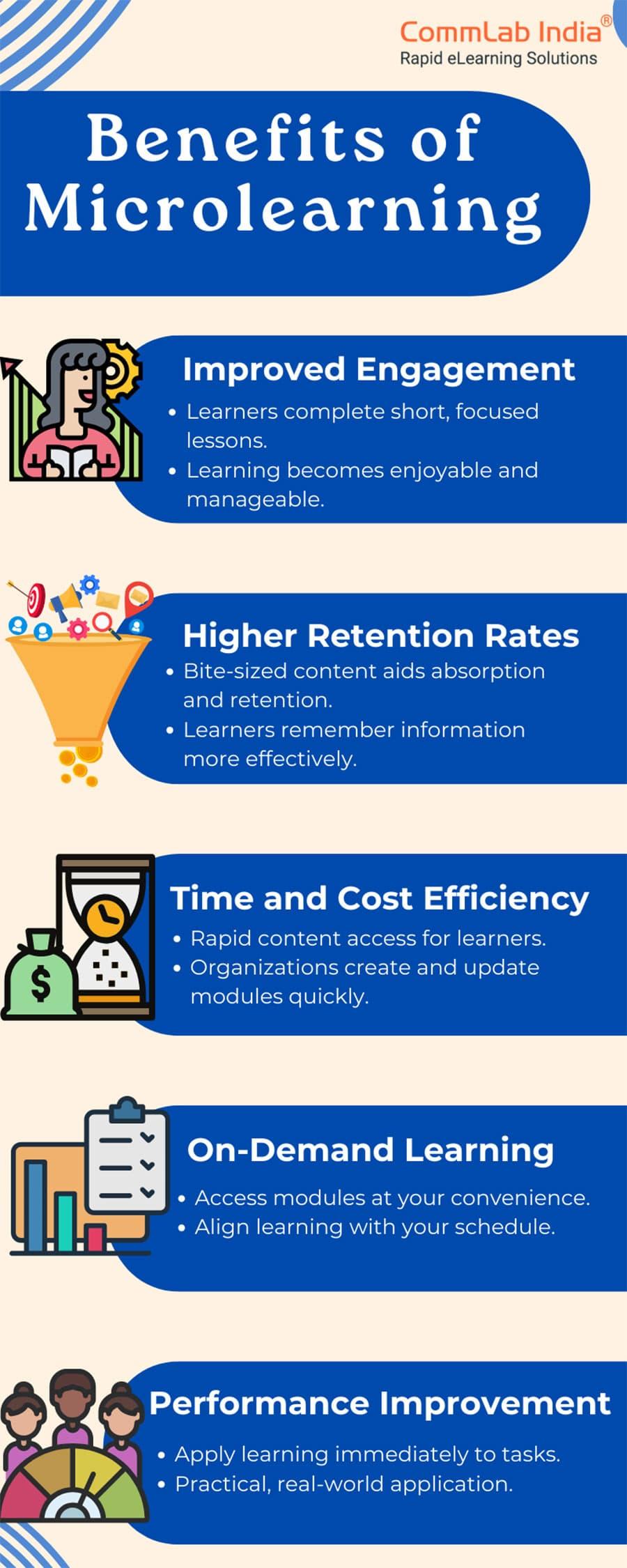
Microlearning: The Ultimate Solution for Modern Learners’ evolving Needs
In today’s fast-paced digital era, how we learn is changing just as quickly as the details we consume. Traditional,long-form education methods often leave modern learners overwhelmed,disengaged,and struggling to keep up. Enter microlearning—the ultimate solution tailored to meet the evolving needs of today’s learners. but what exactly is microlearning, and why has it become a buzzword in education and corporate training spheres? Read on to discover everything you need to know about microlearning, from its transformative benefits to practical implementation tips, real-world examples, and best practices for creating impactful microlearning experiences.
What is Microlearning?
Microlearning refers to a teaching approach that delivers knowledge in small, easily digestible chunks—often focused on a single topic or skill. These bite-sized lessons typically last from a few seconds to around ten minutes,making learning highly flexible and accessible for today’s busy professionals,students,and life-long learners.
- Format: Videos,quizzes,podcasts,infographics,flashcards,articles,and interactive activities.
- Delivery: Accessible via mobile devices, learning management systems (LMS), social platforms, or email.
- Focus: Targeted,outcome-oriented learning.
Why Microlearning is Perfect for Modern Learners
The demands of the modern workplace and classroom require solutions that are agile,efficient,and mobile-kind. Microlearning offers all this and more:
- Information Overload: With rapidly changing knowledge and complex work environments, long courses become obsolete fast. Microlearning keeps content relevant and up-to-date.
- Short Attention Spans: Learners today often prefer short, focused modules that fit into their schedules, maximizing retention and engagement.
- On-the-Go Learning: Microlearning resources can be accessed anytime, anywhere, enabling just-in-time learning.
- Personalization: Learners can choose modules tailored to their interests or skill gaps, creating a more personalized learning journey.
Key Benefits of Microlearning
Microlearning offers a host of advantages that make it the preferred choice for organizations and individuals alike.Here’s why you should consider microlearning for your own development or business training needs:
- Enhanced Retention: Studies show that learners retain up to 80% more information with microlearning compared to traditional long-form training (source: Journal of Applied Psychology).
- Higher Engagement: Interactive, bite-sized lessons make it easier to stay focused and complete courses.
- Fast & Cost-Effective Development: Creating and updating microlearning modules usually requires less time and budget than traditional e-learning courses.
- Scalability: Microlearning can be easily rolled out to thousands of learners, updated as needed, and adapted to diverse audiences.
- Mobile Accessibility: Supports learning on smartphones and tablets, which matches the habits of today’s learners.
- Just-in-Time Learning: Learners can access relevant information exactly when they need it, translating knowledge directly into practice.
How to Implement Microlearning: Practical Tips & Best Practices
Ready to introduce microlearning into your association or personal routine? Here are proven strategies to maximize the impact:
- Define Clear Learning Objectives: Each microlearning module should focus on a single, specific learning goal.
- Use Multiple Formats: Combine video, text, audio, quizzes, and interactive elements to cater to different learning styles.
- Keep Content Short & Focused: Aim for lessons under 10 minutes, focusing on one topic at a time.
- Ensure accessibility: Optimize modules for mobile devices and provide offline access if possible.
- Encourage Reflection & Application: Include case studies,scenarios,and short assessments to prompt application of learning.
- Collect Feedback: use learner surveys and analytics to refine your microlearning programme continually.
- Leverage Automation: Automate delivery using LMS features (like drip scheduling or push notifications) to reinforce learning.
Real-World Case Studies: Microlearning Success Stories
Case Study 1: Corporate Training
IBM transitioned to microlearning for onboarding and professional development. By breaking down complex topics into short videos and quizzes, IBM reduced training time by 40% and increased retention rates among new employees by 30% (source: IBM Learning Blog).
Case Study 2: Healthcare Education
Mayo Clinic implemented microlearning for continuing medical education. Busy healthcare professionals could access bite-sized modules on medical protocols from mobile devices. This flexible approach resulted in improved compliance and consistent updates across teams.
Case Study 3: Higher Education
Stanford University introduced microlearning activities in online STEM courses.Students reported greater satisfaction and mastery compared to traditional lectures, citing the ability to revisit key concepts as needed.
First-Hand Experience: Microlearning in Action
As a professional who has both developed and participated in microlearning modules, I’ve witnessed their remarkable impact.In corporate settings, swift tutorials on new software enabled my team to become proficient within days instead of weeks. Personally, using language-learning apps that use microlearning principles kept me motivated and steadily progressing towards fluency, even during busy periods. The adaptability, personalization, and immediate feedback make microlearning an indispensable part of my daily learning routine.
Microlearning and the Future of Education & Training
The shift toward microlearning isn’t just a trend—it’s a response to genuine, persistent changes in the way we learn and work. As technologies like AI-powered content delivery and adaptive learning platforms evolve, microlearning will continue to play a pivotal role, providing scalable, tailored learning to diverse audiences worldwide.
- Integration with gamification and personalized learning paths.
- Widespread use in upskilling, reskilling, and lifelong learning programs.
- Growing importance in remote and hybrid work environments.
Conclusion: Why Microlearning is the Ultimate Solution for Modern Learners
Microlearning stands at the intersection of technology, pedagogy, and the ever-changing demands of the modern learner. By delivering content in focused, accessible, and engaging micro-units, it empowers individuals and organizations to learn faster, retain more, and adapt continuously.If you’re looking to energize your training programs, boost employee performance, or simply accelerate your own growth, microlearning is the solution you’ve been searching for. Embrace microlearning today and unlock a world of efficient, personalized, and effective education!