
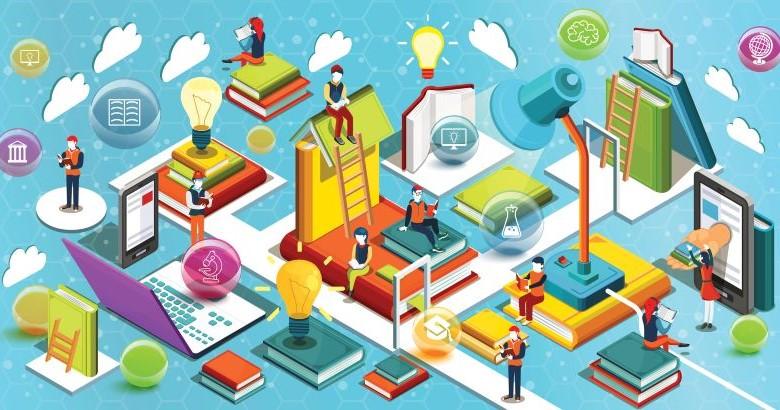
Microlearning: The Ultimate Solution to Meet Modern Learners’ Needs
The world of education and corporate training is undergoing a remarkable transformation, thanks to microlearning. Designed to cater to the unique needs of today’s tech-savvy, fast-paced, and results-driven audience, microlearning stands out as an innovative and effective learning method. But what exactly is microlearning, why has it become so popular, and how can you make the most of it? In this thorough guide, we’ll dive into the definition, benefits, applications, and best practices of microlearning — revealing why it is the ultimate solution to meet modern learners’ needs.
What is Microlearning?
Microlearning refers to a learning approach that delivers content in small, manageable chunks, focusing on specific objectives or skills. These “micro” lessons are typically concise,lasting anywhere from just a few seconds to 10–15 minutes. Designed for just-in-time consumption, microlearning modules are easily digestible and accessible across multiple devices, empowering learners to learn at their own pace.
Key Characteristics of Microlearning
- Bite-sized Content: Covers single learning objectives or topics succinctly.
- Mobile-Kind: Designed for smartphones, tablets, and desktops.
- On-Demand Access: Learners access materials anywhere, anytime.
- Multimedia-Based: Utilizes videos, infographics, podcasts, quizzes, and interactive elements.
- Just-in-Time Learning: Learners get details exactly when they need it.
Why is Microlearning Essential for Modern Learners?
Modern learners are not just different — they are demanding. They need flexible, personalized, and relevant learning experiences tailored to their fast-paced lifestyle. Here’s why microlearning is a perfect fit:
- Short Attention Spans: Research suggests modern adults have attention spans as short as 8 seconds. Microlearning prevents information overload.
- Busy Schedules: Quick access to lessons fits within daily workflows, making learning possible even during tight schedules.
- Mobile Usage: Millennials and Gen Z prefer learning on-the-go, making mobile-frist microlearning ideal.
- personalization: Microlearning allows learners to target specific knowledge gaps or skills.
- Continuous Learning: Supports a culture of lifelong learning and skill reinforcement.
The Top Benefits of Microlearning
Microlearning offers numerous advantages for both organizations and individuals. Here are the most notable benefits:
- Higher Engagement rates: Short, interactive modules keep learners motivated and involved.
- Better Knowledge Retention: Spaced repetition and focused learning improve memory recall.
- Cost-Effective Implementation: Lower development costs and easy updates save organizations time and money.
- Flexible Delivery: Compatible with Learning Management Systems (LMS) and various devices.
- data-Driven Insights: Easier tracking of learner progress and outcomes via analytics.
- Improved Productivity: Training fits seamlessly without interrupting the work routine.
How to Implement Microlearning: Best Practices & Practical Tips
want to launch a triumphant microlearning program? Here are actionable steps and tips to set you on the right path:
-
Identify Clear Objectives:
Break down larger learning goals into specific, outcome-focused modules.
-
Choose the Right Medium:
Select the ideal format for your audience—videos, gamified quizzes, infographics, or scenario-based exercises.
-
Optimize for mobile Devices:
Design with responsive, mobile-first principles in mind.
-
Leverage Multimedia:
Combine visuals, audio, and interactivity to stimulate multiple senses and boost engagement.
-
Encourage Social Learning:
enable forums, discussion boards, or group challenges to harness collaborative knowledge.
-
Measure and Iterate:
Use analytics and learner feedback to refine your content and delivery methods.
WordPress Styling Pro Tip
Integrate microlearning lessons directly into your WordPress site by using plugins like LearnDash or LifterLMS. These tools enable you to structure courses into bite-sized lessons, track learner progress, and deliver quizzes or multimedia content efficiently.
Microlearning in Action: inspiring Case Studies
1. Corporate Training Transformation at a Global Tech Firm
A leading technology company shifted its compliance and product knowledge training from lengthy seminars to microlearning modules. By introducing weekly 5-7 minute video lessons and scenario-based quizzes, the company increased training completion rates by 60% and significantly improved employee scores on post-training assessments.
2. Healthcare Upskilling with Microlearning
A hospital chain adopted microlearning to keep nursing staff updated on protocols. Short, interactive lessons delivered via a mobile app allowed nurses to learn during shift breaks. Result: 40% reduction in knowledge gaps and improved patient care outcomes.
3. Student Success at Online Universities
Several digital universities use microlearning to help students master complex subjects. Lessons broken down into short,interactive videos and practice activities enable higher engagement and improved test scores — particularly among adult learners balancing education with work and family commitments.
First-Hand Experiences: What real Learners Say
“Microlearning allowed me to fit professional development into my daily commute. The mobile modules were concise yet impactful — I could apply the knowledge promptly at work.”
— Priya S., Human Resource Manager
“As a university student with a part-time job, microlearning made all the difference. I could revisit key topics whenever I needed, and the interactive elements kept me engaged.”
— Lucas T., Undergraduate Student
Potential Challenges of Microlearning (and How to overcome Them)
No learning solution is without its challenges. Here’s what to watch out for and how to get it right:
-
Fragmentation: Overly granular content may lead to a lack of overall context.
Tip: Group related modules into learning paths or playlists, periodically offering summary lessons.
-
Learner Motivation: Self-paced microlearning can breed procrastination.
Tip: Incorporate gamification, social elements, and regular check-ins to boost accountability.
-
Quality Assurance: The temptation to produce content quickly can undermine educational value.
Tip: Follow robust instructional design principles and utilize expert reviews.
Conclusion: Why Microlearning is the Future of Learning
Microlearning is more than just a trend — it’s a learner-centric revolution, reshaping how modern audiences absorb and retain knowledge. By delivering bite-sized, relevant, and engaging content, microlearning meets learners where they are and how they want to learn.Whether you’re an educator, HR leader, or a lifelong learner, embracing microlearning unlocks measurable advantages — from increased engagement and retention to better ROI on training investments.
Ready to upskill your team or yourself? Explore microlearning strategies, start small, and harness the power of this ultimate solution for modern learners’ needs. Your journey to efficient,impactful,and enjoyable learning starts with just one micro-lesson today!
Frequently Asked Questions
What industries benefit most from microlearning?
microlearning is highly effective in IT,healthcare,education,finance,sales,and customer service—anywhere rapid upskilling is key.
How long should a microlearning module be?
Typically, microlearning lessons last 3–7 minutes, but can range from one minute (for quick tips) to 15 minutes (for deeper dives).
Can microlearning replace traditional training programs?
microlearning is best used to supplement or reinforce traditional training, especially for ongoing learning and skill refreshers.