
Microlearning: The Ultimate Solution to Meet Modern Learner’s Needs
Keywords: Microlearning, Modern Learners, E-learning, Bite-sized Training, Corporate Training, Digital Learning, Employee Development
Introduction: Why Microlearning Matters in Today’s World
In the rapidly changing digital landscape, attention spans are shorter, schedules are busier, and learners crave training that is both relevant and efficient. Enter microlearning—a transformative approach that delivers content in small, manageable bursts to meet the evolving needs of today’s learners. Whether you’re training employees, educating students, or boosting your own skills, microlearning stands out as the ultimate solution for modern learning challenges. But what exactly is microlearning, and how can it be leveraged effectively? Let’s explore.
What is Microlearning? Defining the Approach
Microlearning is an e-learning strategy focused on delivering content in bite-sized, highly targeted lessons that usually last between 3 and 7 minutes. these concise units address single learning objectives, making information easy to process, retain, and apply.
- Digital Microlearning: Uses tools like videos, quizzes, infographics, and mobile apps for delivery.
- Modular Learning: content is divided into autonomous, standalone modules, perfect for just-in-time learning.
- Flexible and On-demand: Learners access materials anytime, anywhere, fitting seamlessly into thier routine.
In essence, microlearning meets the needs of modern learners by delivering swift, actionable lessons designed for day-to-day relevance and immediate use.
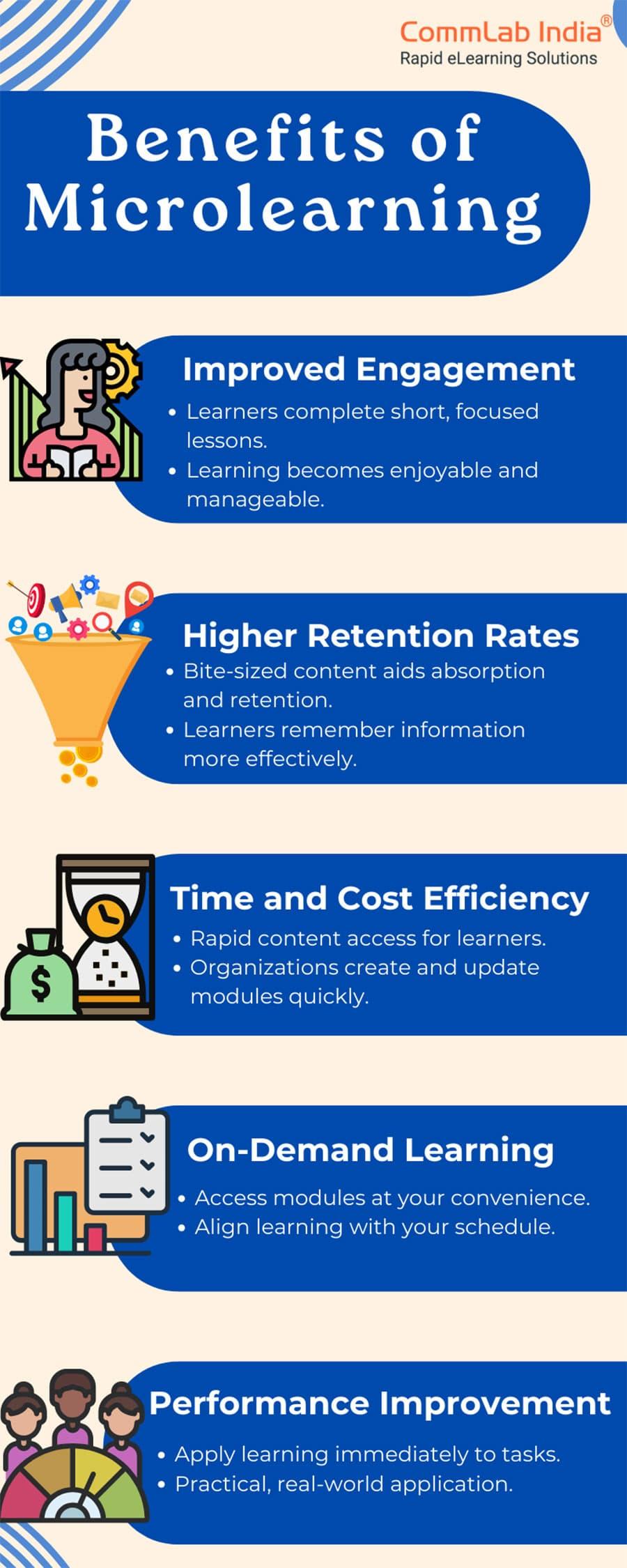
Top Benefits of Microlearning for Modern Learners
Microlearning is more than just a buzzword—it’s a proven method that delivers tangible benefits for individuals and organizations alike.
1. Increased Engagement and Motivation
- Short modules reduce cognitive overload and prevent boredom.
- Interactive formats—such as gamified lessons and quick quizzes—encourage participation.
- Immediate feedback maintains motivation and fosters a growth mindset.
2. Better Knowledge Retention
- Information received in bite-sized chunks is easier to remember.
- Spaced repetition and micro assessments help reinforce knowledge.
- Frequent practice leads to improved long-term retention rates.
3. Adaptability and Accessibility
- Accessible via smartphones, tablets, laptops, and desktops—ideal for remote and hybrid teams.
- Fits seamlessly into busy schedules, supporting on-the-go learning.
- Caters to different learning styles through diverse multimedia formats.
4. cost and Time efficiency
- Reduces development and delivery costs for organizations.
- Minimizes downtime as employees can quickly complete training at their convenience.
- Easy to update and customize as needs evolve.
5. Measurable and Trackable Results
- Learning Management Systems (LMS) and analytics enable tracking of learner progress.
- Immediate results help tailor further training to individual needs.
Who Needs Microlearning?
- Corporate learners: Sales teams, customer support, technical staff, and managers needing up-to-date training quickly.
- Students: School and university students balancing busy schedules with demanding curriculums.
- Job seekers: Those needing to pick up new skills rapidly to adapt to market demands.
- Anyone seeking self-betterment: From language learners to hobbyists, microlearning offers a convenient path to continuous development.
No matter your learning scenario, microlearning offers a flexible, results-driven method suitable for today’s high-paced world.
How to Implement Microlearning: Practical Tips and Strategies
Deploying microlearning effectively requires thoughtful planning and smart use of technology. Here are actionable steps to get started:
- Identify Clear Learning Objectives: Pinpoint the specific skills or knowledge areas for each module.
- Break Down Content: Convert long-form materials into short, focused lessons addressing single topics.
- Use Multimedia Wisely: Incorporate video, audio, interactive quizzes, and infographics to enhance engagement.
- Enable Mobile Learning: Ensure content is mobile-kind for learning on the go.
- Leverage Micro-assessments: Use short quizzes and quick tasks to reinforce learning and track progress.
- Ensure Consistency and Relevance: Keep content up-to-date and aligned with organizational or learner goals.
- Utilize LMS or Microlearning Platforms: Consider tools like TalentCards, EdApp, or SAP Litmos for streamlined delivery.
“Microlearning works best when it is part of a continuous learning culture—not just a one-off event.”
Case Studies: Microlearning in Action
Case Study 1: Global Tech Company Upskills Faster
A multinational IT company implemented microlearning modules to quickly onboard hundreds of new tech-support agents across five countries. The results were notable: reduced onboarding time by 30%, higher first-time pass rates in assessments, and improved employee confidence—all while saving substantial training costs.
Case Study 2: Healthcare Compliance Made Simple
A major hospital transitioned to microlearning to deliver essential compliance training. Short, scenario-based videos and instant quizzes replaced outdated, lengthy workshops. The training completion rate soared from 62% to 97%, with staff reporting greater recall and request of policies in real-world scenarios.
Case Study 3: Retail Sales Team Boosts Product Knowledge
A retail chain used daily mobile microlearning challenges to keep sales associates updated on new products and promotions. Within two months, sales increased by 14%, customer satisfaction scores rose, and staff turnover dropped.
First-hand Experience: A Learner’s Outlook
“I struggled to keep up with ever-changing software tools in my marketing role. Adopting microlearning through short, app-based lessons made it so much easier to stay current. The best part? the convenience—completing a 5-minute lesson during my lunch break made learning effortless and fun. Now, I feel much more prepared to tackle new challenges at work.”
Choosing the Right Microlearning Platform
With dozens of platforms available, picking the right tool is vital for triumphant microlearning adoption. Here’s what to look for:
- Mobile Compatibility: Native apps and responsive web interfaces are crucial.
- Content Customization: The ability to create branded,role-specific modules.
- Analytics and Reporting: Built-in tracking to monitor learner progress and outcomes.
- Integration Capabilities: Should connect easily with existing Learning Management Systems (LMS).
- User Experience: Simple, intuitive navigation to reduce barriers to learning.
Popular platforms include EdApp, TalentCards, SAP Litmos, Grovo, and Axonify—each offering unique features tailored for modern learners.
Conclusion: is Microlearning the Ultimate Learning Solution?
The education and corporate training landscapes have fundamentally changed. Modern learners demand accessible, flexible, and effective learning experiences—which conventional, long-form methods often fail to deliver. Microlearning rises to the challenge by offering just-in-time, bite-sized content that drives engagement, improves retention, and adapts effortlessly to today’s fast-paced world.
By embracing microlearning, organizations and individuals alike can future-proof their skills—making learning a truly lifelong journey. now is the perfect time to make the shift and unlock your team’s or your own full potential.
Ready to revolutionize your learning process? embrace microlearning and empower modern learners to thrive!