
Microlearning: The Ultimate Strategy for Meeting Modern Learner needs
Microlearning is rapidly emerging as the go-to solution for organizations looking to address the ever-evolving demands of modern learners. With shrinking attention spans, busy schedules, and an overwhelming amount of details, conventional training methods are often ineffective. This extensive guide explores why microlearning is the ultimate strategy for engaging today’s learners, delves into its benefits, and provides actionable tips to help you harness its potential in your workplace or educational setting.
Introduction: Meeting the Demands of Modern Learners
Today’s learners are busier, more mobile, and want information at their fingertips. Weather it’s employees seeking up-to-date skills or students managing coursework with packed schedules, learning needs have shifted. Microlearning offers short, focused bursts of content designed to engage, inform, and enable retention. In this article, we’ll uncover how microlearning can be the game-changer your organization needs to thrive in a fast-paced digital world.
Understanding Microlearning: What It Is and Why It Matters
Microlearning refers to the delivery of learning content in small, easily digestible modules, typically lasting a few minutes. Its popularity is fueled by increased mobile device usage and the need for just-in-time upskilling.Microlearning is ideal for the modern learner, who often prefers self-directed, on-the-go education rather than lengthy lectures or courses.
- Bite-sized learning – Typically 2-10 minutes per session
- Focused objectives – Each module covers a single learning point
- flexible format – Videos, flashcards, quizzes, podcasts, infographics
- Immediate request – Designed for practical use and retention
The Landscape of Modern Learner Needs
The average adult learner juggles work, family, and social commitments. According to research by Microsoft, the average attention span is now shorter than ever, hovering around eight seconds. Learners want information:
- When they need it (just-in-time)
- Where they need it (multi-device,mobile-friendly)
- How they want it (personalized,interactive)
Microlearning directly addresses these demands,making complex concepts accessible and engaging.
Key Benefits of microlearning for Modern Learners
From improved retention rates to increased engagement, microlearning unlocks several advantages for both organizations and learners. Let’s explore the most impactful benefits:
1. Enhanced Engagement and Motivation
Short learning sessions are inherently more engaging than traditional, lengthy methods. Learners are less likely to be overwhelmed, making them more motivated to complete modules and continue learning.
2.Increased Knowledge Retention
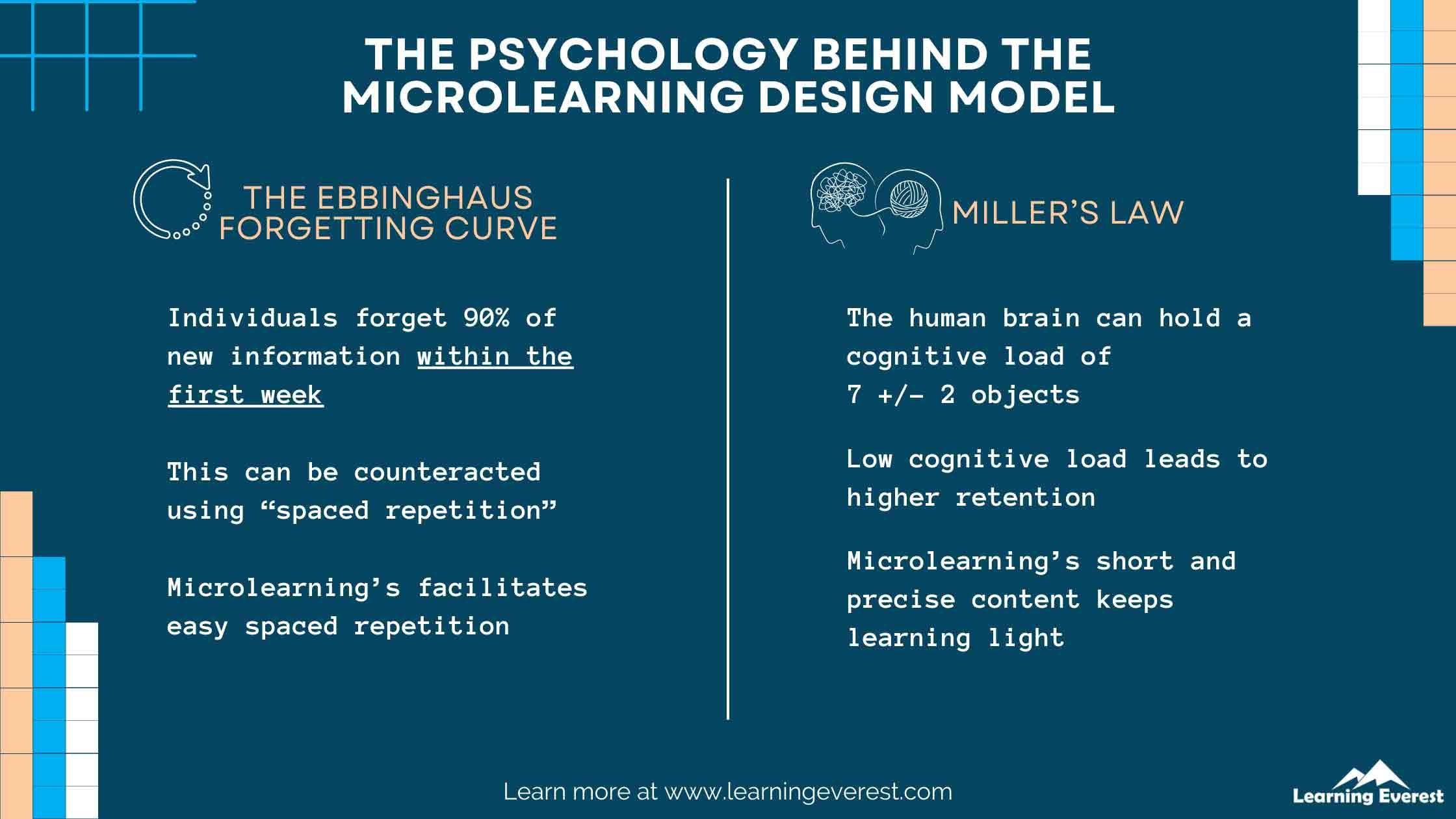
Microlearning supports the psychological concept of “spaced repetition.” Frequent exposure to content in small doses helps embed knowledge, greatly increasing recall and long-term retention.
3. On-demand Accessibility
Microlearning modules are accessible from any device at any time, giving learners total control over when and where they learn. This adaptability supports diverse learning styles and busy schedules.
4. Cost-effectiveness
Developing bite-sized learning modules is often faster and less resource-intensive than full-scale courses, helping organizations save time and money while boosting effectiveness.
5. Scalability
Microlearning materials can be easily adapted and scaled to meet the needs of global teams or growing organizations.Updates can be made quickly,ensuring content is always relevant.
practical Tips for Implementing microlearning
Ready to make microlearning part of your digital learning strategy? Here are practical tips to maximize its impact:
- Define clear objectives: Start with a single, actionable learning goal for each module.
- Use engaging multimedia: Incorporate videos, audio clips, and interactive graphics to capture attention.
- Keep content concise: Stick to one concept per module to prevent cognitive overload.
- Enable mobile access: Design for smartphones and tablets to reach learners wherever they are.
- Leverage quizzes and assessments: Reinforce learning and provide immediate feedback.
- Provide timely updates: Regularly refresh microlearning content to ensure it’s current and relevant.
Designing Effective Microlearning Modules
Well-designed microlearning modules share these characteristics:
- Contextualized: Relate content to real-world scenarios or job tasks.
- Visually appealing: Use colors, icons, and images to boost retention.
- Story-driven: Incorporate narratives or relatable characters to enhance engagement.
- Easy to navigate: Ensure a clean interface with intuitive controls.
Real-World Case Studies: Microlearning in Action
Case Study 1: Tech Company Upskills Global Workforce
A leading technology firm transitioned from traditional classroom training to a microlearning platform to onboard new employees across multiple time zones. Staff completion rates soared to 92%, and employee knowledge retention increased by 40% in post-training assessments.
Case Study 2: healthcare Organization Boosts Compliance
With strict ethical guidelines and rapidly changing regulations, a large hospital implemented microlearning for compliance training. staff accessed short modules during their shifts via smartphones, resulting in a 30% reduction in compliance violations over six months.
Case Study 3: Retail Company Improves Sales Training
Sales associates in a national retail chain used microlearning for product training and customer service skills. The flexible, on-the-go format fit seamlessly into their workday, leading to higher sales figures and improved customer satisfaction scores.
Firsthand Experiences: Voices from Modern Learners
“Microlearning was a lifesaver for me as a working parent. I could complete short modules during lunch breaks or commutes.I’ve learned more in a few months than I did with an entire year of traditional courses.”
— Alexandra,Marketing Specialist
“Our team’s productivity really jumped after switching to microlearning. It’s much easier to revisit topics when needed, and everyone feels less overwhelmed.”
— Rahul, Sales Manager
“The quizzes after each module helped me remember new procedures and comply with workplace standards. Microlearning just makes sense for fast-changing industries.”
— Janet, Nurse
Frequently Asked Questions (FAQs) About Microlearning
Is microlearning suitable for all types of training?
Microlearning works best for skill-based, compliance, onboarding, product updates, and just-in-time training. For topics requiring deep, comprehensive understanding, supplement microlearning with extended modules or programs.
How can I measure the effectiveness of microlearning?
Track metrics like completion rates, knowledge retention (via quizzes), learner feedback, and performance improvement in real tasks. Analytics from learning management systems (LMS) can offer detailed insights.
How much content should a microlearning module include?
Focus on a single concept or skill point. Aim for sessions between 2-10 minutes to maintain attention and maximize retention.
Conclusion: Why Microlearning Is the Ultimate Strategy
In an age where time is scarce and distractions are many, microlearning stands out as a powerful, practical strategy to meet the needs of modern learners. Its flexibility, scalability, and proven impact on engagement and retention make it the perfect fit for organizations and individuals seeking effective, continuous learning. By adopting microlearning, you empower learners to control their educational journey and ensure your team stays agile, skilled, and competitive.
Whether you’re a corporate leader, L&D professional, or educator, implementing microlearning can drive transformational results in knowledge transfer and staff development. Begin your microlearning journey today and experiance firsthand the difference it makes!