
Microlearning vs. Traditional Methods: Revealing Student Preferences and Learning Trends
In the rapidly evolving world of education, the debate of microlearning vs. traditional methods has gained significant attention. With student engagement and learning efficiency at the forefront, educators and institutions are seeking the best strategies too support modern learners. But what do students really prefer, and how are learning trends shaping the future of education? In this article, we’ll dive deep into the pros and cons of microlearning and traditional teaching methods, explore current student preferences, and reveal actionable tips for leveraging both approaches for optimal educational impact.
What is Microlearning?
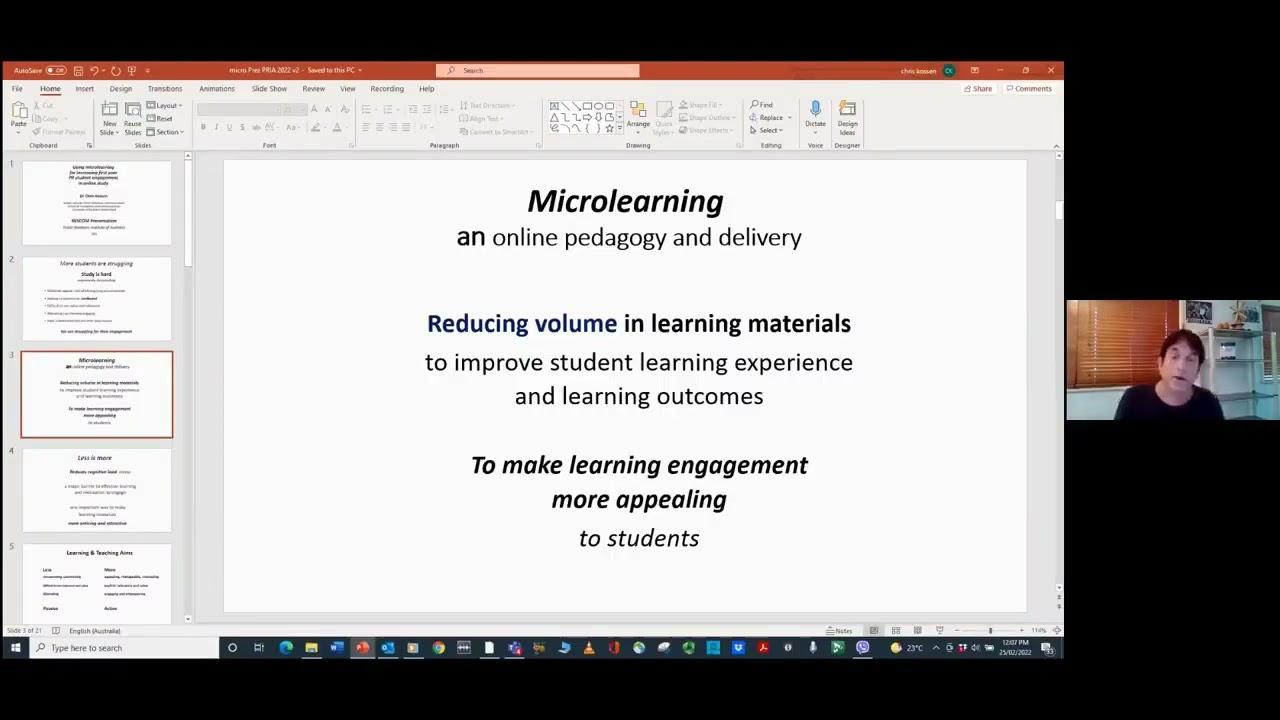
Microlearning refers to bite-sized, focused learning experiences that deliver knowledge or skills in easily digestible segments.Typically, these modules last between 2 to 10 minutes and can be delivered via videos, quizzes, flashcards, or interactive apps. Designed for today’s fast-paced world, microlearning capitalizes on brief attention spans and mobile accessibility.
- Format: Short, stand-alone lessons or activities
- Delivery: Digital platforms, mobile apps, e-learning modules
- Objective: Just-in-time learning and skills reinforcement
What are traditional Teaching Methods?
Traditional methods of instruction typically involve teacher-centered, lecture-based classroom environments, textbooks, and scheduled assessments. These methods emphasize thorough coverage of subjects and frequently enough adhere to a fixed curriculum and timetable.
- Format: In-person lectures, printed materials, scheduled classes
- Delivery: Physical classrooms, standard textbooks, blackboards
- Objective: Thorough, in-depth understanding and mastery of subjects
Microlearning vs. traditional Methods: Key Differences
The comparison of microlearning vs. traditional methods reveals several crucial differences in teaching styles, content delivery, and learner engagement. Here’s a succinct breakdown:
| Aspect | Microlearning | Traditional Methods |
|---|---|---|
| Duration | 2-10 minutes per module | 30+ minutes per lesson |
| Delivery Mode | Digital, mobile-first | In-person, physical materials |
| Flexibility | High – learn anytime, anywhere | Low – set schedules, locations |
| Engagement | Interactive, self-paced | Teacher-led, synchronous |
| Assessment | Quick quizzes, instant feedback | Exams, delayed grading |
Student Preferences: Insights and Survey Data
As digital natives become the majority in classrooms, student learning preferences are shifting. According to multiple educational surveys, a significant percentage of learners show a strong preference for microlearning for several reasons:
- Flexibility: 72% of students say that microlearning fits their busy schedules better (Source: TalentLMS Survey, 2023)
- Engagement: Students report higher engagement with short, interactive modules versus long lectures
- Retention: Microlearning is proven to improve knowledge retention by up to 80% compared to traditional study methods (journal of Applied Psychology)
However, traditional teaching methods remain preferred for complex subject mastery, collaborative projects, and social learning experiences.Many students appreciate the structure, mentorship, and consistent feedback offered in conventional classrooms.
Current Learning Trends in Education
The rise of e-learning and mobile learning platforms has fueled the adoption of microlearning worldwide. Some of the top trends influencing student learning include:
- Blended Learning: Combining microlearning modules with traditional classroom instruction for a holistic approach
- Personalized Learning Paths: Adapting content to individual student needs and pace
- Gamification: Utilizing game-based elements to boost engagement and motivation
- Data-Driven Insights: Leveraging analytics to track progress and optimize content delivery
As technology advances, educational institutions are increasingly embracing adaptive learning platforms and mobile-first course design to align with contemporary student expectations.
Benefits of Microlearning
Choosing microlearning brings several unique advantages for educators and students alike:
- Increased engagement: Interactive, easily digestible lessons maintain learner attention
- Better Retention: spaced repetition and micro-assessments reinforce memory
- Accessibility: Mobile-compatible content is available on-demand
- Time Efficiency: Learners can fit quick lessons into daily routines
- Cost-Effective: Low production and deployment costs compared to traditional courses
Advantages of Traditional Teaching Methods
Despite the surge in digital learning, there are contexts where traditional methods outperform microlearning:
- In-depth Knowledge: Complex concepts require comprehensive, curriculum-based exploration
- Social Learning: Face-to-face interactions foster interaction skills and peer collaboration
- Mentorship: Direct teacher feedback supports personal and academic development
- Consistent structure: Scheduled classes provide routine and accountability
Practical Tips for Educators: Blending Microlearning and Traditional Methods
The most effective learning environments frequently enough combine the strengths of both microlearning and traditional methods. Here are some practical tips for educators:
- Incorporate Microlearning: Use short videos,quizzes,or flashcards to reinforce complex topics introduced in lectures.
- Flip the Classroom: Assign microlearning modules as homework and use in-person sessions for discussion and problem-solving.
- use Analytics: Leverage learning data to identify topics that need reinforcement or additional microlearning resources.
- Encourage Self-Paced Learning: Allow students to access microlearning modules at their convenience to boost autonomy and motivation.
- Create Collaborative Projects: Use traditional methods for teamwork, presentations, and interactive workshops.
Case Study: Microlearning Implementation in a University Setting
at Greenfield University, educators piloted a microlearning program alongside traditional lectures in the introductory psychology course. Results after one semester were telling:
- Students who completed microlearning modules scored an average of 15% higher on retention quizzes.
- Attendance rates increased by 23% as students found value in integrating online modules with classroom activities.
- 84% of surveyed students preferred a blending of both approaches for future courses.
This case study demonstrates that thoughtfully designed blended learning experiences can cater to diverse student preferences and improve overall educational outcomes.
First-Hand Experience: Student Testimonials
“Microlearning really helped me keep up with my studies while working part-time. I could watch a quick video or take a quiz between shifts, which kept me engaged with the class.”
— Anna S., Undergraduate Student
“I still love the traditional classroom for debates and group projects, but the short online lessons are great for reviewing before tests.”
— David L., Business Major
Conclusion: Which Method is Best?
The debate of microlearning vs. traditional methods doesn’t have a one-size-fits-all answer. While microlearning excels in accessibility,engagement,and knowledge retention,traditional methods offer depth,interpersonal growth,and academic structure. As new learning trends emerge and student preferences shift, the most prosperous educators will be those who adapt and blend both approaches to create impactful, learner-centered experiences.
Ultimately, the combination of both methods—tailored to the course content, student demographics, and learning objectives—will shape the future of education. Whether you’re an instructor, administrator, or student, staying informed of these evolving trends and preferences will ensure a brighter, more effective path to knowledge.