
Microlearning’s Impact on Professional Development: Key Benefits and Strategies
In today’s fast-paced business world, continuous professional development is essential for personal and organizational growth. Microlearning has emerged as a powerful approach to enhance employee skills, improve engagement, and facilitate lifelong learning. But what exactly is microlearning, and how does it revolutionize professional development? Dive into this thorough guide to discover the impact of microlearning, key benefits, and effective strategies for leveraging this flexible learning model in yoru workplace.
What is Microlearning?
Microlearning refers to bite-sized, targeted learning experiences designed to meet specific learning objectives in a concise format. Typically delivered in segments ranging from two to ten minutes, microlearning modules can include videos, quizzes, infographics, podcasts, or even short articles. These micro-content formats are optimized for fast consumption and knowledge retention, making them ideal for busy professionals seeking ongoing development without interrupting their daily workflow.
- Flexible access: Microlearning modules are frequently enough available on-demand across multiple devices.
- Highly focused: Content is designed to address a specific skill or concept.
- Interactive formats: Learning is often enhanced through quizzes, case studies, and practical exercises.
The Impact of Microlearning on professional development
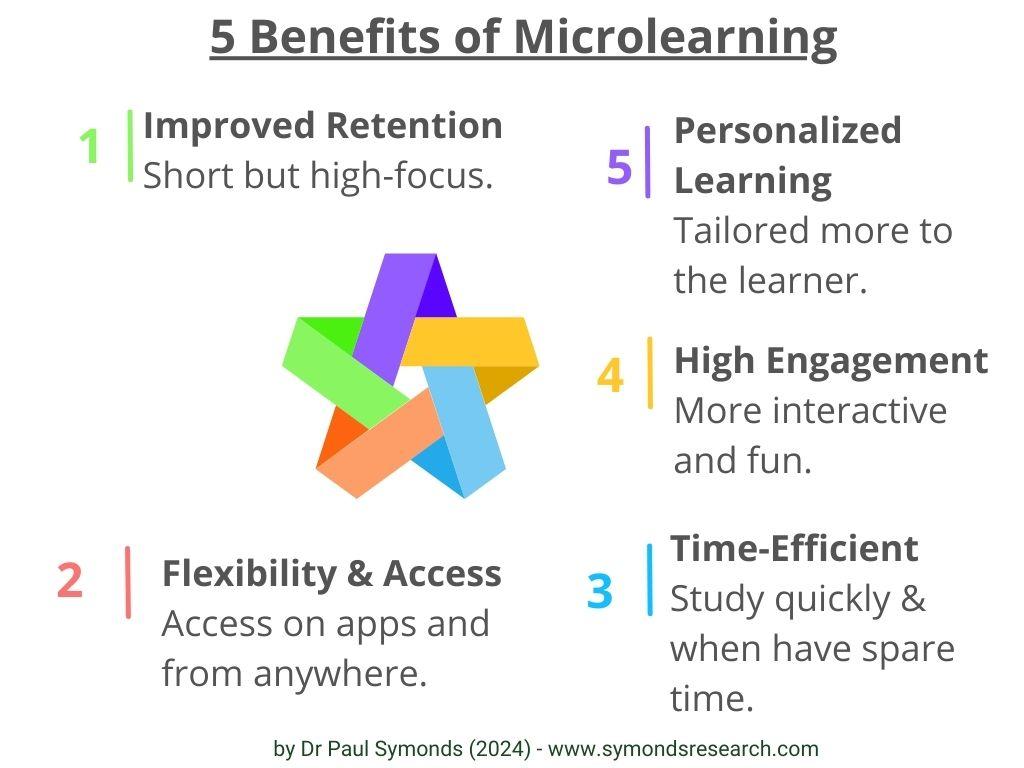
1. Personalized Learning Experience
Microlearning allows employees to tailor their learning paths to their own needs, interests, and career goals. With modular courses, professionals can access only the content most relevant to their roles, improving efficiency and satisfaction with the learning process.This personalized approach increases motivation and engagement, leading to higher completion rates and more effective learning outcomes.
2. Enhanced Knowledge Retention
Extensive research shows that breaking down information into small, manageable chunks significantly boosts retention and recall. Unlike conventional long-format training,microlearning leverages the “spacing effect,” helping employees remember and apply job-critical skills over time. By revisiting micro-content regularly, learners can reinforce key concepts and avoid the “forgetting curve.”
3. Increased Employee Engagement
Boredom and cognitive overload often hinder learning.Microlearning combats these challenges by offering short,engaging,and interactive lessons. Employees can quickly master new skills without feeling overwhelmed, resulting in greater participation and enthusiasm for professional development programs.
4. Cost and Time Efficiency
Microlearning modules require less time to develop, deliver, and complete compared to traditional training methods. Employers benefit from reduced training costs and minimal work disruption, while employees appreciate the flexibility to learn at their own pace during breaks or downtime. Microlearning aligns effectively with agile work environments and remote teams.
5.Scalability and Accessibility
Thanks to cloud-based learning management systems (LMS) and mobile apps,microlearning resources are easily accessible to employees worldwide. Organizations can scale professional development programs effortlessly, ensuring all team members benefit from standardized training regardless of location.
Key Benefits of Microlearning for Professional Development
- Immediate Application: Bite-sized lessons focus on real-world skills and concepts that learners can apply immediately on the job.
- Continuous Learning: Enables a culture of ongoing learning with regular “micro-doses” of new knowledge and best practices.
- Improved Performance: Straightforward and engaging training leads to better employee performance and productivity.
- Just-in-Time Learning: Learners can access training modules on-demand, supporting problem-solving and decision-making at critical moments.
- Better Measurement: Analytics and feedback from microlearning platforms make it easier to track progress and assess skill gaps.
Effective Strategies to Integrate Microlearning into Professional Development
To unlock the full potential of microlearning for professional development, organizations should employ the following best practices:
1. Align Microlearning Content with business Goals
Ensure each microlearning module addresses a specific skill, competency, or business objective. Collaborate with subject matter experts and department heads to create targeted,relevant content that drives organizational success.
2. Leverage Multimedia Formats
Mix and match different formats—videos,infographics,podcasts,scenario-based quizzes—to cater to varying learning preferences and boost engagement. Interactive formats enhance participation and retention.
3. Incorporate Social and Collaborative Learning
Encourage knowledge sharing and collaboration by integrating discussion forums, peer feedback, and group challenges. Social learning fosters teamwork and strengthens workplace connections.
4. Optimize for Mobile and On-the-go Access
Make microlearning modules mobile-pleasant, so employees can access content anytime, anywhere. This flexibility accommodates remote and hybrid workstyles, increasing adoption rates and convenience.
5. Monitor, Evaluate, and Iterate
Regularly track participation, completion rates, and learner feedback. Use analytics to identify hotspots and areas for improvement, continuously refining your microlearning strategy for maximum impact.
Real-World Case Studies: Microlearning success Stories
Case Study 1: Tech Company Skill Refresh
A global tech firm integrated microlearning modules into its professional development platform to keep engineers updated on the latest programming languages. The result? A 35% increase in post-training assessment scores and higher on-the-job collaboration thanks to short, scenario-based code challenges.
Case Study 2: Healthcare Onboarding
In healthcare, time-sensitive updates are crucial. By employing microlearning for onboarding and compliance training, a hospital network reduced training time by 50% and decreased onboarding costs, while new nurses reported feeling more confident in their roles.
Practical Tips for Maximizing Microlearning Impact
- Chunk Content: Break complex topics into small, manageable segments.
- Boost Interactivity: Use real-world examples, simulations, and instant feedback.
- Personalize Paths: Give learners options to choose topics that fit their goals.
- Encourage Reflection: Include micro-assessments and prompts for self-evaluation.
- promote Peer Learning: Gather employees into micro-learning groups or cohorts.
First-Hand Experience: Employee Outlook
“Microlearning modules have transformed my daily workflow. rather of cramming new information into hour-long sessions,I can access short,practical lessons whenever I need them. It feels like the learning is tailor-made for me—I’m more confident tackling new challenges and can apply new skills immediately.”
—Marketing Manager, Fortune 500 company
Conclusion
As organizations look to foster resilient, adaptable teams, microlearning stands out as an innovative—and highly effective—professional development strategy. Its ability to deliver flexible, personalized, and engaging content empowers employees to achieve their career goals in today’s hyper-connected workplace. By embracing microlearning,businesses not only maximize training ROI but also create a culture of continuous learning and improvement. Implement these strategies and tap into the transformative power of microlearning for your association’s future success.
Ready to Bring Microlearning to Your Team?
Start small, track results, and watch your professional development program evolve. for more insights and expert guidance on implementing microlearning, subscribe to our newsletter or browse our library of resources on workforce learning innovation!