
Microlearning’s Impact on Professional Development: Transforming Workplace Training
Microlearning is reshaping the way organizations approach professional development and workplace training. Traditional training programs often struggle to engage employees, leading to low retention rates and wasted resources.However,microlearning offers a fresh,flexible,and highly effective solution for organizations striving to improve workforce capabilities in a fast-paced environment. In this article,we’ll explore the essentials of microlearning,its transformative impact on workplace training,key benefits,practical strategies,real-world case studies,and expert tips for implementation.
What is microlearning?
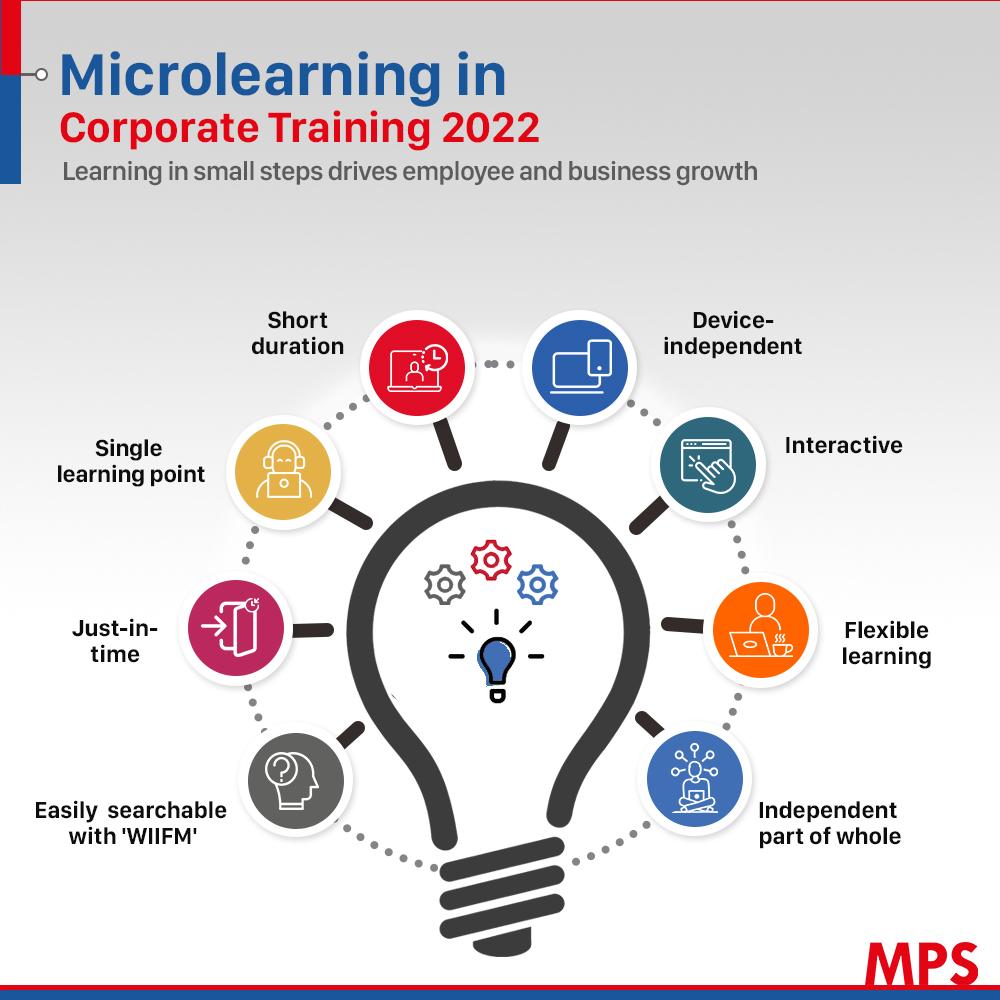
Microlearning refers to an educational approach where content is delivered in small, focused segments—typically lasting between two and ten minutes. These bite-sized modules target specific topics or skills, making them easier for learners to absorb, retain, and apply in real-world scenarios. Microlearning frequently enough leverages multimedia formats such as videos, infographics, quizzes, and mobile applications, aligning perfectly with today’s on-the-go workforce.
Why Is Microlearning Revolutionizing Professional Development?
Organizations worldwide are turning to microlearning becuase it aligns with modern learning habits and workplace demands. Here’s how microlearning is driving change in professional development:
- Enhanced engagement: Short lessons keep learners interested and minimize the risk of details overload.
- higher Retention: Studies show that breaking content into smaller chunks improves retention rates compared to lengthy, traditional sessions.
- just-in-Time Training: Employees can quickly access specific modules when they need them,fostering immediate request and problem-solving.
- Scalability: Microlearning modules are easy to update, distribute, and adapt across global teams.
Key Benefits of Microlearning for Workplace Training
Let’s dive deeper into the major advantages that microlearning brings to corporate training and employee development:
1. Adaptability and Accessibility
Microlearning materials are frequently enough available on various devices—smartphones, tablets, and computers—enabling employees to learn anytime, anywhere. This flexibility is invaluable for remote workers and busy professionals.
2.Faster Skill Acquisition
Microlearning’s focused approach helps employees master new skills quickly. Whether it’s compliance training, software tutorials, or leadership development, these brief lessons can fit seamlessly into daily workflows.
3. Cost-Effectiveness
Developing and maintaining microlearning modules is typically less expensive than creating full-scale courses. Organizations save money while ensuring content remains relevant and up-to-date.
4. personalized Learning Paths
Microlearning makes it easier to personalize training experiences. Employees can choose modules that match their current roles, challenges, or professional goals, leading to greater motivation and success.
5.Continuous Development
Microlearning supports continuous learning,allowing employees to expand their skillsets gradually rather than cramming information in one session. This boosts confidence and long-term performance.
Microlearning in Action: Case studies & First-Hand Experiences
Many industry leaders have successfully implemented microlearning strategies. Here are a few real-world examples that illustrate its transformational impact on workplace training:
Case Study 1: Tech Company Elevates Product Training
A global technology firm faced challenges keeping its distributed sales teams updated on new product features.By transitioning to microlearning—delivering five-minute video tutorials—they increased employee engagement by 42%. Sales reps reported higher confidence during client presentations, and the company saw a measurable uptick in product adoption rates.
Case Study 2: Healthcare Network Improves Compliance
A large healthcare network struggled with compliance training fatigue among nurses and staff. Switching to microlearning modules integrated into their daily workflow, completion rates soared from 57% to 91%.Staff appreciated the relevant,bite-sized videos and quizzes,while management noticed improved adherence to protocols.
First-Hand experience: HR Manager’s Perspective
“Adopting microlearning modules for onboarding was transformative. New hires felt less overwhelmed, and knowledge checks helped us address gaps instantly. Our onboarding satisfaction scores have never been higher.”
Best Practices for Implementing Microlearning in the workplace
Effective microlearning doesn’t happen by accident.Here are actionable tips to ensure your organization maximizes the value of this training approach:
- Define Clear Learning Objectives: Each module should address a specific skill or topic, with outcomes that are measurable and relevant.
- Focus on Interactivity: use polls, quizzes, and scenario-based exercises to boost engagement and reinforce learning.
- Keep It Short and Sweet: Aim for lessons under ten minutes to maintain attention and facilitate quick application.
- Leverage Multimedia: Combine videos, infographics, audio, and gamification to cater to different learning styles.
- Integrate with Daily Workflow: Ensure modules can be accessed on-demand and easily fit into routine tasks or meetings.
- Track Progress and Feedback: Use analytics to monitor completion rates and performance, and adapt content according to feedback.
- update Regularly: Refresh modules to ensure accuracy and relevance—especially vital for compliance and technology training.
Practical Tips for Organizations Embracing Microlearning
- Start small, with pilot programs targeting high-priority skills.
- Involve employees in content creation—subject-matter experts can share insights in short videos or podcasts.
- Integrate microlearning with your WordPress-based Learning Management System (LMS) for seamless delivery and tracking.
- Celebrate milestones: Recognize employees who complete modules or pass knowledge checks to foster a learning culture.
Microlearning vs. Traditional Training: A Comparative Glance
| Criteria | Microlearning | Traditional Training |
|---|---|---|
| Duration | 2-10 minutes per module | 30-120 minutes per session |
| Focus | Single topic or skill | Multiple topics |
| Accessibility | Anytime, any device | Scheduled, on-site or virtual |
| Engagement | High | Variable |
| Cost | Low | Higher |
Future Trends: The Evolution of Workplace Microlearning
The future of workplace microlearning is promising. Here’s what to watch for:
- AI-Powered Personalization: Artificial Intelligence will curate learning paths tailored to individual skill gaps and career trajectories.
- Gamification: Badges, leaderboards, and rewards are set to make microlearning more motivating and fun.
- Social and Collaborative Learning: Integration of discussion boards, chatbots, and peer review fosters community and deeper knowledge exchange.
- Data-Driven Analytics: Organizations will leverage learner analytics to optimize module content and training outcomes.
Conclusion: Embracing Microlearning for Transformative Professional Development
Microlearning represents a paradigm shift in professional development, offering unparalleled advantages for workplace training. By embracing this agile, interactive approach, organizations can unlock higher engagement, improved retention, and measurable upskilling across teams. Whether you’re a small business, multinational corporation, or HR leader, adopting microlearning lays a solid foundation for continuous employee growth and organizational success. Start integrating microlearning today—and watch your workforce thrive in the future of learning.