
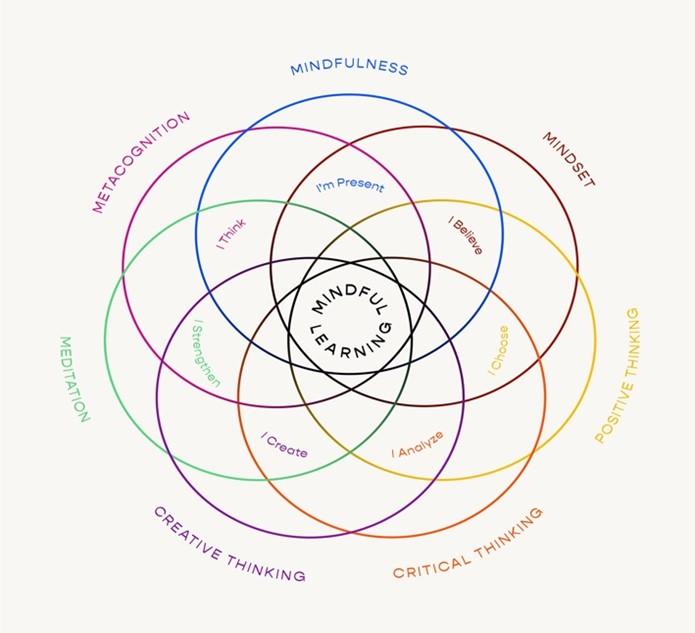
Mindfulness in Education: transforming Student Learning and Well-Being
In today’s fast-paced and technology-driven world, students are experiencing greater levels of stress, distraction, and social pressures than ever before. As educators and parents search for ways to support holistic student development, mindfulness in education is gaining recognition as a powerful tool to transform learning and enhance student well-being. This article explores the transformative impact of mindfulness practices in schools, examines the benefits for students, and provides practical strategies for implementing mindfulness in educational settings.
What is Mindfulness in Education?
Mindfulness refers to the practice of paying intentional attention to the present moment without judgment. When integrated into education, mindfulness helps students develop emotional intelligence, self-awareness, and resilience. It goes beyond simple meditation, encompassing techniques and philosophies that foster a supportive and focused learning habitat.
- Mindful breathing exercises during class transitions
- Guided meditations to reduce anxiety before exams
- Reflection journals for students to process their emotions
- Sensory awareness activities to heighten concentration
The Importance of Mindfulness in Student Learning
By fostering mindfulness in education, students can experience improved academic performance and overall well-being. Numerous studies highlight the correlation between mindful practices and positive learning outcomes. Here are some key ways mindfulness transforms the student experience:
- Enhanced Focus and Concentration: Mindfulness helps students develop sustained attention,which directly impacts their ability to understand and retain new data.
- Stress Reduction: Mindful activities teach students coping strategies to manage stress and anxiety, particularly during challenging times such as tests or peer conflicts.
- Emotional Regulation: Through self-awareness, students learn to identify, acknowledge, and manage their emotions constructively.
- Improved Classroom Climate: Mindfulness builds empathy, kindness, and respect, contributing to a safer and more nurturing learning environment.
Key Benefits of Mindfulness in Education
Research underscores several key benefits of integrating mindfulness in educational contexts:
- Cognitive Development: Mindfulness practices improve memory, executive functioning, and creativity.
- Social Skills: Students become more empathetic, collaborative, and respectful toward peers.
- Reduced Behavioral Issues: Classrooms implementing mindfulness report fewer disciplinary problems, conflicts, and disruptions.
- Greater Self-Confidence: Students who engage in mindful activities feel more confident in expressing themselves and tackling challenges.
- Physical Well-Being: Mindfulness can lead to better sleep, reduced fatigue, and improved overall health for students.
Practical Strategies: How to Implement Mindfulness in Schools
For educators and administrators interested in integrating mindfulness in education, there are several practical approaches to get started:
1. Start with Short Mindful Moments
Begin each class with 2-5 minutes of mindful breathing or a brief body scan. Regularity builds habit and acceptance among students.
2. create a Mindfulness Corner
Dedicate a small space in the classroom where students can refocus or de-stress.Include calming visuals, mindfulness prompts, and sensory objects.
3. Incorporate Mindful Activities in the Curriculum
- Use literature and stories with mindfulness themes
- Integrate reflective writing assignments
- Practice gratitude journaling
4.Train Teachers and Staff
Professional development programs can empower educators with mindfulness techniques and classroom management strategies.
5. Engage Families and Communities
Share mindfulness resources with parents, organize workshops, and encourage a collaborative approach beyond school walls.
Case Studies: Real-World Impact of Mindfulness in Education
Schools around the world are witnessing remarkable results by integrating mindfulness programs. Below are inspiring case studies:
inner Explorer – United States
Over 500,000 students participate in daily audio-guided mindfulness exercises. Results include a 60% reduction in behavioral incidents and notable academic improvements.
MindUP – United Kingdom
Implemented across primary schools, MindUP programme reports increased student engagement, compassion, and focus. Teachers note calmer classrooms and greater cooperation.
First-hand testimonies highlight:
- Students practicing mindfulness express stronger self-esteem and self-regulation.
- Parents observe reduced stress and better communication at home.
- Educators report smoother classroom transitions and positive student relationships.
First-Hand Experience: A Teacher’s Perspective
”Integrating mindfulness in my classroom has been transformative. Students are more attentive, compassionate, and resilient. I’ve seen students use mindful breathing during exams and even replicate these techniques outside school. Our classroom feels like a community where everyone is heard and respected.”
– Mrs. L. Chen, 5th Grade Teacher
Common Challenges and Solutions
While mindfulness offers substantial benefits, implementing it in education does present some hurdles. Here are common challenges and strategies to overcome them:
- Resistance to Change: Some educators or students may initially feel skeptical. Solution: Offer training, share success stories, and start small to build comfort levels.
- Time Constraints: fitting mindfulness into an already packed schedule can be tough. Solution: Integrate short mindful breaks or combine mindfulness with existing subjects such as physical education or literature.
- Lack of Resources: Not all schools have access to expert facilitators. Solution: Utilize free online resources,guided audio,and community volunteers.
Practical Tips for Students: Mindfulness Techniques for Everyday learning
- Mindful Breathing: Take deep breaths before starting schoolwork or whenever feeling stressed.
- Body Scan: Pause to notice each part of your body, relaxing tense areas.
- Gratitude Listing: Write down three things you feel thankful for after class.
- Mindful Listening: Pay close attention when teachers or classmates are speaking, resisting interrupting or multitasking.
Conclusion: Embracing Mindfulness for Lifelong Success
As educators,parents,and students embrace mindfulness in education,the ripple effect extends far beyond the classroom walls. Not only does mindfulness enhance academic achievement and social-emotional growth, but it also equips students with skills for lifelong resilience and well-being. By thoughtfully integrating mindfulness practices—through breathing exercises, reflection, and kindness—schools can create environments where every learner thrives. Whether you are a teacher beginning your mindfulness journey or a parent looking to support your child, remember that even small, consistent steps can lead to lasting positive change.
If you’re interested in bringing mindfulness to your classroom or district,start now. Explore resources, pilot programs, and connect with like-minded educators online. Together,let’s transform education for future generations—one mindful moment at a time.