
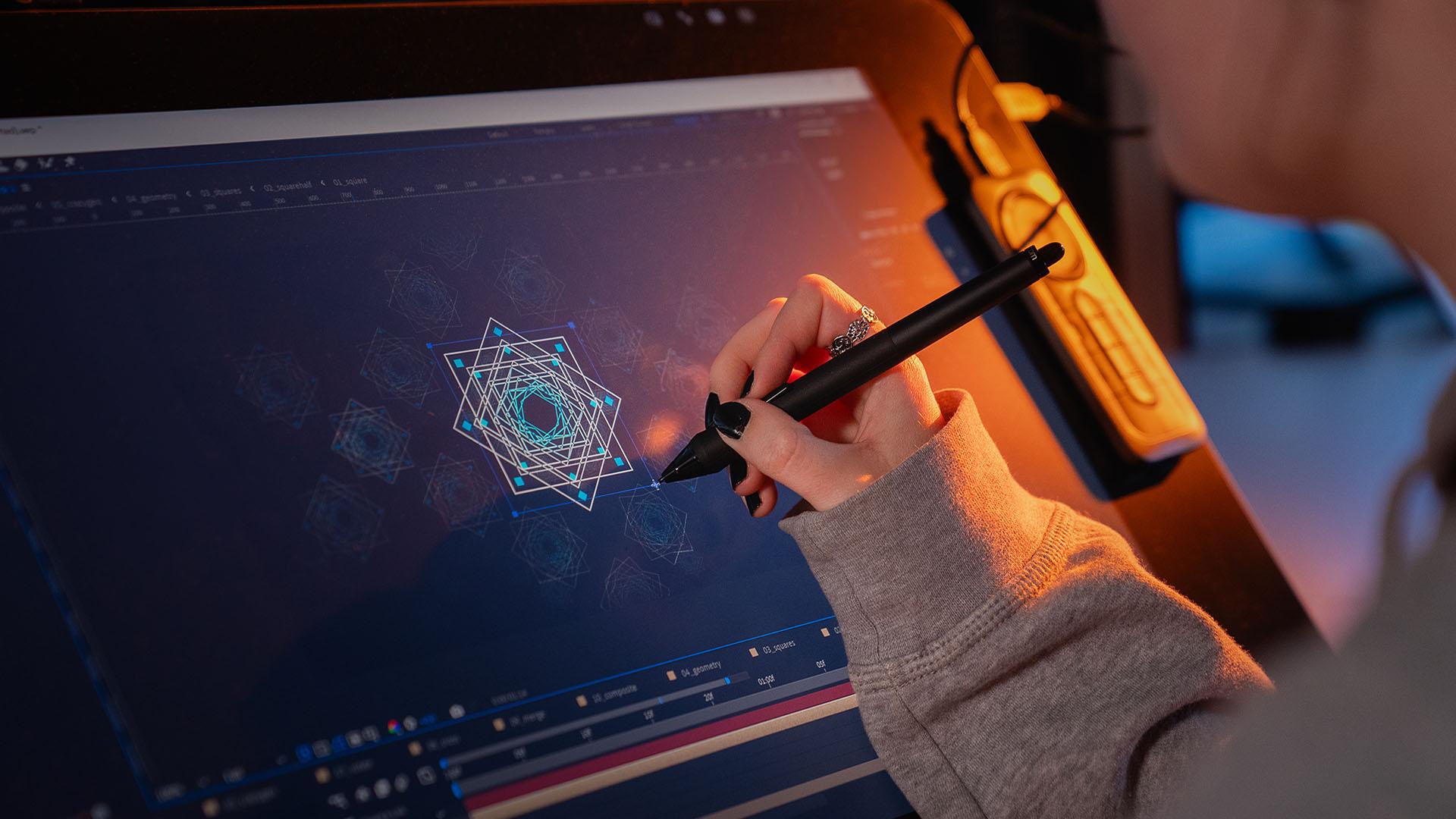
Motion Graphics Designer in E-Learning: Boost Course Engagement with Dynamic Visuals
Are you passionate about combining creativity with cutting-edge technology? Do you want to make a significant impact in education by enhancing how students learn and interact with course materials? If so, a role as a Motion Graphics Designer in E-Learning at universities, colleges, or schools could be the perfect opportunity for you. This comprehensive guide will help job seekers explore the responsibilities, skills, benefits, and practical tips for securing and thriving in this innovative role within edtech.
Introduction: The Rising Demand for motion Graphics Designers in Education technology
Over the last decade, educational institutions have rapidly adopted digital learning platforms to enhance their curricula and reach diverse student populations. High-quality motion graphics have become essential in creating engaging and interactive e-learning content. As a Motion Graphics Designer in edtech, you’ll have the unique opportunity to boost course engagement through dynamic visual storytelling and animation. This fast-growing field promises creative satisfaction and the chance to positively influence learning outcomes.
What Does a Motion Graphics Designer in E-Learning Do?
Motion Graphics Designers who specialize in e-learning collaborate with instructional designers, educators, and progress teams to produce visually engaging digital content.Their work supports a wide range of educational initiatives, from university courses and collage programs to digital curricula in K-12 schools.
- Conceptualizing Visual elements: Translate educational concepts into compelling visual stories.
- Animating Course Content: Create motion graphics for videos, interactive modules, presentations, and infographics to reinforce learning objectives.
- Collaborating with Teams: Work closely with instructors, curriculum developers, and subject matter experts to ensure accuracy and engagement.
- Adapting Designs for Platforms: Design graphics optimized for varying digital platforms and devices commonly used in schools and universities.
- Ensuring Accessibility: Implement accessibility guidelines, ensuring content is engaging and available to all learners.
Key Skills and Qualifications for a Motion Graphics Designer in Education Technology
The role of a Motion Graphics Designer in e-learning requires a blend of technical expertise, creative talent, and a passion for education.Here are the core qualifications educational institutions typically seek:
- Proficiency with Design Software: Expert knowledge of Adobe After Effects, Premiere Pro, Illustrator, Photoshop, and other relevant animation tools.
- Strong Animation Skills: Ability to create 2D/3D animations, kinetic typography, and explainer videos that make complex ideas easier to grasp.
- Instructional Design Understanding: Familiarity with e-learning standards (like SCORM or xAPI) and integrating visuals with course objectives.
- Storytelling Ability: Transform datasets,theories,and challenging topics into digestible visual narratives that appeal to a broad range of learners.
- Project Management: Organizational skills to manage multiple projects, prioritize tasks, and deliver within tight educational timelines.
- Collaborative Mindset: Willingness to work in interdisciplinary teams and adapt ideas based on feedback from educators and students.
Benefits of Working as a Motion Graphics Designer in E-Learning
Joining the education technology sector as a Motion Graphics Designer offers unique rewards and professional growth opportunities. Here’s what you can look forward to:
- Purpose-Driven Work: Contribute directly to student success and educational innovation.
- Creative Fulfillment: Work on a diverse array of projects, from engaging animations to gamified learning experiences.
- Collaborative Environment: Engage with passionate educators and forward-thinking technologists.
- Professional Advancement: Many institutions offer dedicated learning and development tracks, helping you expand your creative and technical skill set.
- Flexible work opportunities: many universities and edtech companies offer hybrid or remote work arrangements, catering to modern work preferences.
- Competitive Compensation: The demand for motion graphics expertise in the educational sector is climbing, often translating into attractive salary and benefits packages.
How Motion Graphics Boost Course Engagement in E-Learning
Dynamic visuals and animations do more than make online courses look appealing. here’s how your work as a Motion Graphics Designer can truly enhance digital education:
- Improved knowledge retention: Animated infographics and explainer videos aid in visual learning, helping students better understand and recall complex subjects.
- Increased Student Motivation: Engaging visual content keeps students interested and reduces dropout rates in online or blended courses.
- Accessible Explanations: Motion graphics break down language barriers and make abstract or complicated material more accessible.
- Consistent Branding: Well-designed graphics support an institution’s identity, contributing to a cohesive, professional digital presence.
- Interactivity: Integration with quizzes, simulations, and modular content offers active learning opportunities, driving deeper engagement.
Top Industries and Institutions Hiring Motion Graphics Designers in E-Learning
Educational institutions and technology-driven organizations increasingly seek creative talent to drive their digital transformation. Here are top places where you might find rewarding opportunities:
- Universities & Colleges: Academic programs ranging from STEM subjects to the arts require dynamic digital content for in-person, hybrid, and fully online degrees.
- K-12 Schools & Districts: School systems invest in educational technology to enrich lesson delivery for diverse age groups.
- EdTech Companies: Software firms specializing in e-learning platforms, digital curricula, and content authoring tools regularly hire creative professionals.
- Corporate Training Divisions: many large corporations develop internal educational resources, frequently enough outsourcing or hiring in-house motion graphics talent.
Practical Tips for Landings Jobs as a Motion Graphics Designer in E-Learning
If you’re ready to pursue a career as a Motion Graphics Designer for educational institutions, these practical strategies will help you stand out:
1. Build a Specialized Portfolio
- Showcase past e-learning or educational projects, with a focus on how your visuals improved comprehension or engagement.
- Include before-and-after case studies or samples that demonstrate your ability to transform static content into dynamic learning experiences.
2. Understand education Trends
- Stay updated on emerging trends in digital learning, such as microlearning, AR/VR in education, and gamification.
- Tailor your portfolio and resume to reflect experience with current edtech tools and methodologies.
3. Highlight Soft Skills
- Emphasize communication skills, adaptability, and a desire for continuous learning—qualities valued by educational teams.
- Mention your role in collaborative projects and ability to work in multidisciplinary settings.
4. Network with Educational Professionals
- Join online forums and associations dedicated to e-learning design and technology in education.
- Attend virtual conferences, webinars, and workshops to connect with hiring managers and creative directors in the industry.
5. Customize Your Applications
- Research each target institution or company’s visual styles and missions.
- Personalize your cover letter to show enthusiasm for their work and how you can add value to their instructional design team.
Career Pathways and Opportunities for Growth
motion Graphics Designers in education technology have the potential to grow into senior creative roles or transition into related fields over time. Possible career paths include:
- Senior Motion Graphics Designer or Creative Lead
- Instructional Designer with a Focus on Visual Learning
- Video Production Manager for E-Learning content
- EdTech Product Specialist or Consultant
Continued training and mastery of new technologies (like VR/AR animation tools) can further expand your career opportunities and earning potential in this exciting industry.
conclusion: Make Your Mark in EdTech as a Motion Graphics Designer
As digital education shapes the future of learning, the demand for creative professionals in visual communication is only set to grow. By becoming a Motion Graphics Designer in e-learning, you’ll play an essential role in building interactive, accessible, and effective online courses for universities, colleges, and schools.
With the right combination of skills, a compelling portfolio, and a genuine enthusiasm for education, you can launch a rewarding career that makes a lasting difference in how students engage with academic content. Now is the perfect time to bring your talents to the vibrant world of education technology!