
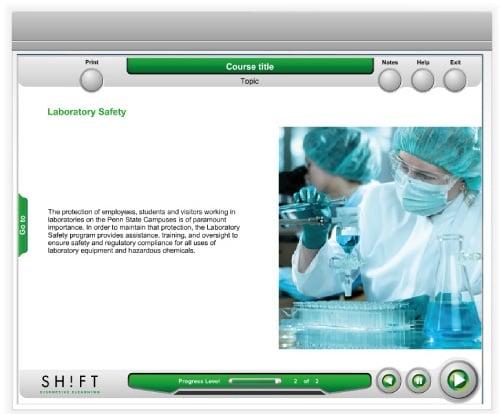
Motion graphics Designer in E-Learning: Boosting Online Education with Dynamic Visuals
Are you creative, technologically savvy, and passionate about using art to transform education? The rise of e-learning in universities, colleges, and schools has created a new wave of opportunities for talented motion graphics designers. In today’s fast-paced digital learning surroundings, the role of a Motion Graphics Designer in e-learning is crucial for developing engaging, effective online educational materials. If you’re seeking a rewarding career in education technology, read on to discover everything you need to know about landing a role as a Motion Graphics Designer in the academic sector.
Why Motion Graphics Matter in E-Learning
Online education relies on keeping learners motivated, engaged, and able to understand complex concepts easily. Motion graphics—animated visuals created with digital tools—bring static educational content to life, making information digestible and memorable. Here’s why motion graphics are a game-changer in e-learning:
- Increased Engagement: Animated elements capture students’ attention and help maintain focus.
- Clarity and Retention: Visualizing abstract concepts with motion graphics boosts comprehension and long-term retention.
- Interactivity: Motion graphics can create interactive quizzes,explainer videos,and simulations for hands-on learning experiences.
- Accessibility: Well-designed visuals can assist all learners, including those with learning differences, by presenting information in multiple formats.
The Role of a Motion Graphics Designer in E-Learning
Working as a motion graphics designer in e-learning at a university,college,or school goes beyond creating attractive animations. You become a key player in instructional design, collaborating with educators, curriculum developers, and IT professionals. Your tasks might include:
- Designing and animating educational videos, lectures, and tutorials
- Developing interactive learning modules and assessments
- Creating infographics and visual aids to complement course content
- Ensuring consistency with institutional branding and accessibility standards
- Participating in the brainstorming and planning of new e-learning projects
Key Skills and Qualifications for Motion Graphics Designers in Education Technology
To succeed in motion graphics design for e-learning, you’ll need a blend of creative and technical abilities, as well as an understanding of educational practices. Here are the most sought-after skills and qualifications:
- Proficiency in Design Software: Expertise with Adobe After Effects, Premiere Pro, Illustrator, Photoshop, and other design tools is essential.
- Animation Skills: Storyboarding concepts, animating transitions, and using 2D/3D motion techniques.
- Understanding of Pedagogical Principles: Working knowledge of instructional design, learning psychology, and curriculum standards.
- Dialog & Collaboration: Ability to work closely with faculty, instructional designers, and IT teams.
- Problem-Solving: Translating complex concepts into engaging visual narratives.
- Attention to Detail: Ensuring high-quality, accurate, and accessible visuals.
- portfolio: A strong portfolio of past projects showcasing relevant motion design skills.
Educational Background
Most motion graphics designer roles in education require a degree in graphic design, multimedia arts, animation, or a related field. Specialized certifications in motion graphics or e-learning development are strong additions.
Benefits of working as a Motion Graphics Designer in E-Learning
Pursuing a career as a motion graphics designer in education technology offers a unique mix of personal fulfillment and professional growth:
- Making a Difference: Contribute directly to students’ success and educational equity.
- Continuous Learning: Stay at the forefront of technology, animation trends, and pedagogical strategies.
- Collaborative Environment: Work within diverse, cross-functional teams on innovative educational projects.
- Remote and Flexible Opportunities: Many academic institutions offer full-time, part-time, or freelance motion graphics roles, with options for remote work.
- Portfolio Development: Build an extraordinary body of work that can open doors across industries, not just in education.
- Job Stability and Benefits: University and school positions frequently enough come with stable employment, health benefits, and retirement packages.
Where Motion Graphics Designers Work in Education
The demand for motion graphics designers is rising across a range of educational institutions.Here’s where you can make your mark:
- Universities and Colleges: Design online courses, MOOCs, research explainers, orientation videos, and promotional content.
- K-12 Schools: Develop age-appropriate animations for digital classrooms, distance learning, and hybrid instruction.
- EdTech Companies: Join platforms and publishers creating digital learning solutions for global education markets.
- Educational nonprofits: Support open education initiatives and resources with compelling visual storytelling.
How to Land a Motion Graphics Designer Job in E-Learning
Securing your ideal job as a motion graphics designer in e-learning requires a targeted approach.Here are practical tips to get started:
-
build a Diverse Portfolio
- Showcase animations relevant to instructional settings—explainer videos, interactive modules, animated diagrams, and infographic-rich presentations.
- Highlight any experience producing content for education or online audiences.
-
Understand Learning Platforms and Tools
- Familiarize yourself with Learning Management Systems (LMS), such as Canvas, Moodle, or Blackboard.
- Learn how to integrate motion graphics seamlessly with SCORM, xAPI, and other e-learning standards.
-
Grow Your Network in the Education Sector
- Connect with instructional designers, IT staff, and e-learning developers at academic conferences and online communities.
- Seek internships or freelance work in the education technology space for valuable experience and references.
-
Stay current with Trends in E-Learning and Animation
- Follow thought leaders and stay updated on the latest trends in motion graphics and educational technology.
- Experiment with interactive animation tools, AR/VR, and data visualization for education.
-
Tailor Your applications
- Customize your resume and cover letter for each education-focused role, emphasizing relevant technical and collaborative skills.
- Mention your passion for supporting student learning and accessibility.
Future Trends for Motion Graphics Designers in E-Learning
As digital education continues to evolve, the opportunities and tools available to motion graphics designers will expand. look forward to these emerging trends:
- Immersive Learning with AR/VR: Motion graphics skills are essential for creating realistic educational simulations and virtual environments.
- AI-Driven Personalized Content: Designers who can adapt animated content to individual learners’ needs will be in high demand.
- Mobile-First Animation: Creating engaging, responsive visuals optimized for smartphones and tablets.
- Worldwide Accessibility: Incorporating closed captions, descriptive audio, and accessible animation techniques for all learners.
Summary: Building a Career as a Motion Graphics Designer in E-Learning
The intersection of motion graphics design and education technology presents a rewarding, high-impact career path at universities, colleges, and schools. As an essential member of e-learning teams,you’ll enhance online education with dynamic,informative,and accessible visuals. By sharpening your technical skills, building a compelling portfolio, and connecting with educators, you can transform your creativity into a force for educational change.
Conclusion
A Motion Graphics Designer’s role in e-learning is more than just art—it’s about making learning possible, engaging, and memorable for students everywhere. As educational technology continues to thrive, so does the need for talented motion graphics professionals in academic settings. If you’re ready to boost online education with your visual storytelling skills, start building your portfolio and networking today. Your next big opportunity in education technology could be just a few clicks away!