
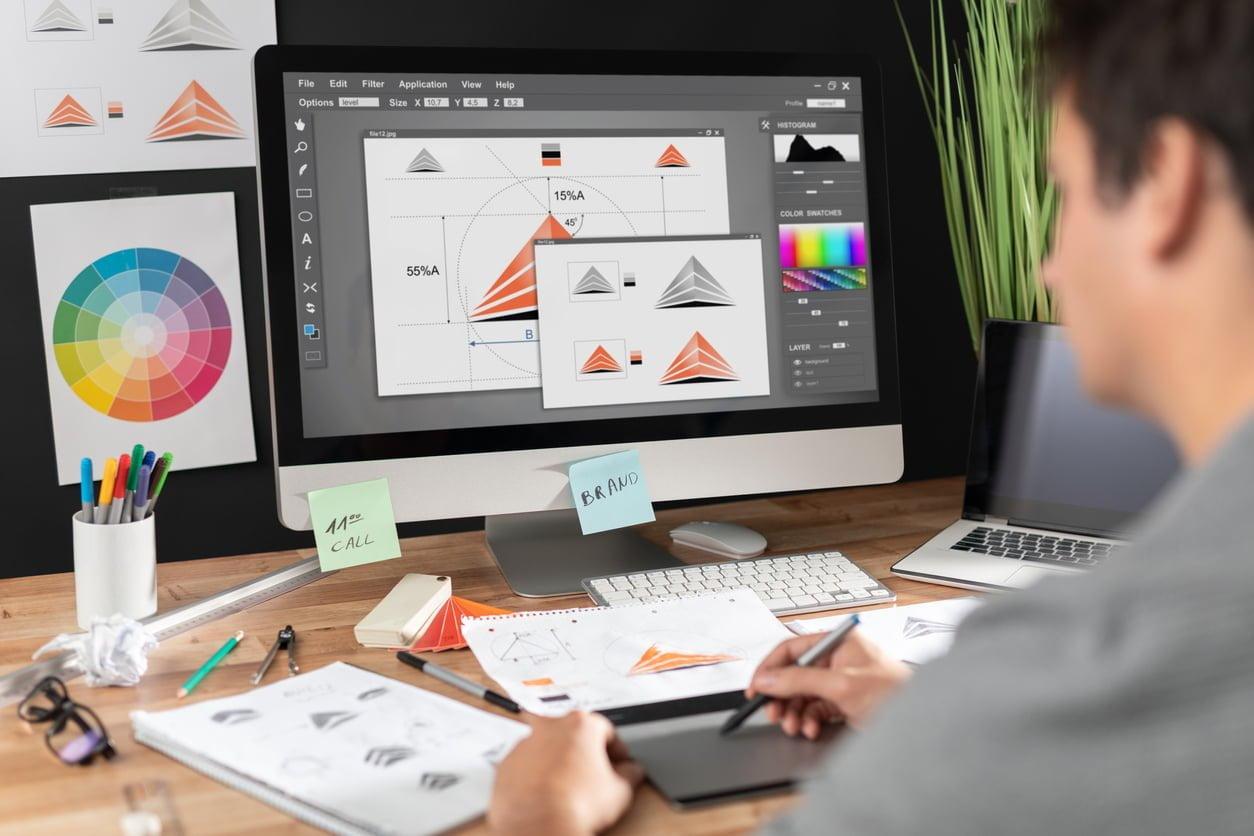
Motion Graphics Designer in E-Learning: Key Skills, Roles, and Career Insights
are you passionate about creativity and technology, hoping to shape the future of education? The role of a motion graphics designer in e-learning offers a rewarding career path within universities, colleges, and schools.As education technology continues to evolve,academic institutions increasingly seek talented professionals who can create engaging visual content to enhance learning experiences. This complete article explores all you need to know about becoming a motion graphics designer in the education sector, including core skills, daily responsibilities, benefits, and actionable tips to help you land your dream job.
Why Motion Graphics Designers Matter in Education Technology
With the rise of online courses, digital classrooms, and interactive learning modules, educational institutions recognize the importance of dynamic and appealing content. Motion graphics designers play a crucial role in:
- Transforming complex data into visually engaging formats for easy comprehension.
- Making lessons interactive, memorable, and accessible for diverse learners.
- Supporting educators and instructional designers with high-quality content for e-learning platforms.
- Boosting student engagement and retention through creative storytelling and animation.
Core Responsibilities of Motion Graphics Designers in E-Learning
A motion graphics designer working in a university, college, or school e-learning department is expected to take on a variety of tasks to support teaching and learning objectives. Typical responsibilities include:
- Designing animated educational assets such as explainer videos, digital lectures, interactive quizzes, and instructional animations.
- Collaborating with faculty,instructional designers,and multimedia teams to conceptualize and execute engaging visual content.
- Translating complex concepts—such as math formulas, scientific processes, and data sets—into clear animated sequences.
- Optimizing graphics and animations for various devices and learning platforms.
- Maintaining brand consistency in visuals, fonts, and colors throughout e-learning materials.
- Editing video footage and integrating motion design elements into live-action presentations.
- Staying updated with the latest software tools and animation techniques in the motion graphics industry.
Essential Skills for Motion Graphics Designers in Education Sector
To excel in motion graphics design for e-learning environments, you’ll need a blend of creative and technical proficiencies. Here are the most notable skills to develop:
Technical Skills
- Animation software mastery: Proficiency in Adobe After Effects, Premiere Pro, Illustrator, Photoshop, and other modern tools such as Blender or Cinema 4D.
- Video editing skills: Ability to process, cut, and render digital video for educational content.
- Storyboarding: Capability to plan and visualize motion sequences before execution.
- Knowledge of e-learning platforms: Understanding the requirements and limitations of systems like Moodle, Canvas, Blackboard, or proprietary LMS.
Creative Abilities
- Visual storytelling: Turning abstract academic concepts into clear, compelling visual narratives.
- Layout and typography: Applying design principles for readability and impact in educational media.
- Attention to detail: Ensuring accuracy in graphics and animations, especially for educational content.
Professional and Collaborative Skills
- Project management: Handling multiple projects, meeting deadlines, and adapting to changing requirements.
- Communication: Effectively collaborating with educators, curriculum designers, and production teams.
- Feedback incorporation: Revising work according to critiques from faculty or stakeholders.
Career Opportunities and Growth in Education Technology
The demand for motion graphics designers in e-learning is on the rise as educational institutions embrace digital transformation. Possible career paths in academia and EdTech include:
- In-house designer at universities, colleges, or K-12 schools, focusing on course materials and learning modules.
- Freelance or agency designer working with multiple educational clients or publishers.
- Senior designer or team lead managing motion graphics across large-scale online education initiatives.
- specialist roles such as instructional animation developer, multimedia design coordinator, or edtech consultant.
As you build experience in motion graphics for education, you could transition into curriculum growth, instructional design, or broader multimedia management roles, further expanding your impact and reach within academia.
Benefits of Working as a Motion Graphics Designer in E-Learning
- Meaningful impact: Shape how students learn and understand complex subjects around the world.
- Continuous growth: Work at the intersection of creativity, technology, and education innovation.
- Collaboration: Engage with diverse teams including educators, technologists, and content producers.
- Flexibility: Many universities and online schools offer hybrid or remote work options for creative professionals.
- job security: As digital learning expands, skilled motion graphics designers will remain in high demand.
- Portfolio development: Build a robust, versatile collection of animated educational assets to showcase your expertise.
Practical Tips to Kickstart Your Career in E-learning Motion Graphics
1. Build a Targeted Portfolio
Create motion graphics projects tailored to educational audiences, such as animated lectures, explainer videos, or interactive assets for course modules. Showcase your ability to simplify complex information, using case studies relevant to university, college, and K-12 settings.
2. Gain Relevant Experience
- Collaborate with instructors or academic teams in internships, part-time jobs, or volunteer roles.
- Contribute to open educational resources by designing free animations or infographics for online platforms.
- Participate in EdTech hackathons or animation challenges focused on learning innovation.
3. Stay Updated With Trends and Tools
- Keep learning the latest motion graphics techniques and software updates.
- Follow education technology forums, podcasts, and publications for industry insights.
4. Network in the Academic Community
- Join professional associations for educational media and technology.
- Attend conferences, webinars, and workshops related to instructional design and multimedia in education.
- Connect with faculty, instructional designers, and EdTech professionals on social platforms to learn about job opportunities.
5. Tailor Your Resume and Cover Letter
Highlight your motion graphics achievements and relevant skills specifically for e-learning projects in academic settings. Emphasize your passion for educational innovation and your collaborative approach to multimedia production.
How to Stand Out When Applying for Motion Graphics Jobs in E-Learning
- Showcase examples: Provide links to educational animation samples in your application materials.
- Demonstrate versatility: Display ability to create assets for different age groups, subjects, and platforms.
- Be proactive: Suggest new ways to improve learning experiences using motion design during interviews or presentations.
- Share success stories: Relay measurable outcomes, such as increased student engagement or improved comprehension, resulting from your motion graphics projects.
Conclusion
Motion graphics designers are increasingly pivotal in the academic world,transforming conventional classrooms into vibrant e-learning environments through creative visual storytelling. By mastering the necessary skills, embracing educational innovation, and strategically positioning yourself for education technology jobs, you can build a fulfilling career that enriches learning experiences across universities, colleges, and schools. Whether you’re just starting out or looking to make a career transition into EdTech, your expertise in motion graphics could unlock new opportunities for personal growth and professional impact in the world of digital education.