
Motion Graphics Designer in E-Learning: Key Skills, Roles, and Career Opportunities
Introduction
As education technology continues to transform learning experiences at universities, colleges, and schools, the demand for creative professionals specializing in e-learning content has risen rapidly. Among these professionals, the Motion Graphics Designer in E-Learning plays a pivotal role in making educational content visually engaging and easier to understand. If you’re interested in bridging art, technology, and education, a career as a motion graphics designer in the e-learning sector could be your perfect fit. This guide explores the key skills, primary responsibilities, benefits, and career opportunities available to job seekers keen on making a mark in educational institutions.
What is a Motion graphics Designer in E-Learning?
A Motion Graphics Designer in E-Learning creates animated graphics, visuals, and digital illustrations that enhance educational materials for online courses, presentations, and digital learning platforms. Their work makes complex concepts more accessible and helps improve student engagement and retention. In universities, colleges, and schools, these designers collaborate closely with educators, instructional designers, and multimedia teams to produce dynamic materials that support modern teaching methods.
Key Skills for Motion Graphics Designers in E-Learning
To succeed as a Motion Graphics Designer in E-learning, you need a combination of technical expertise, creativity, and a solid understanding of educational best practices. Below are the key motion graphics designer skills recruiters look for in the education technology sector:
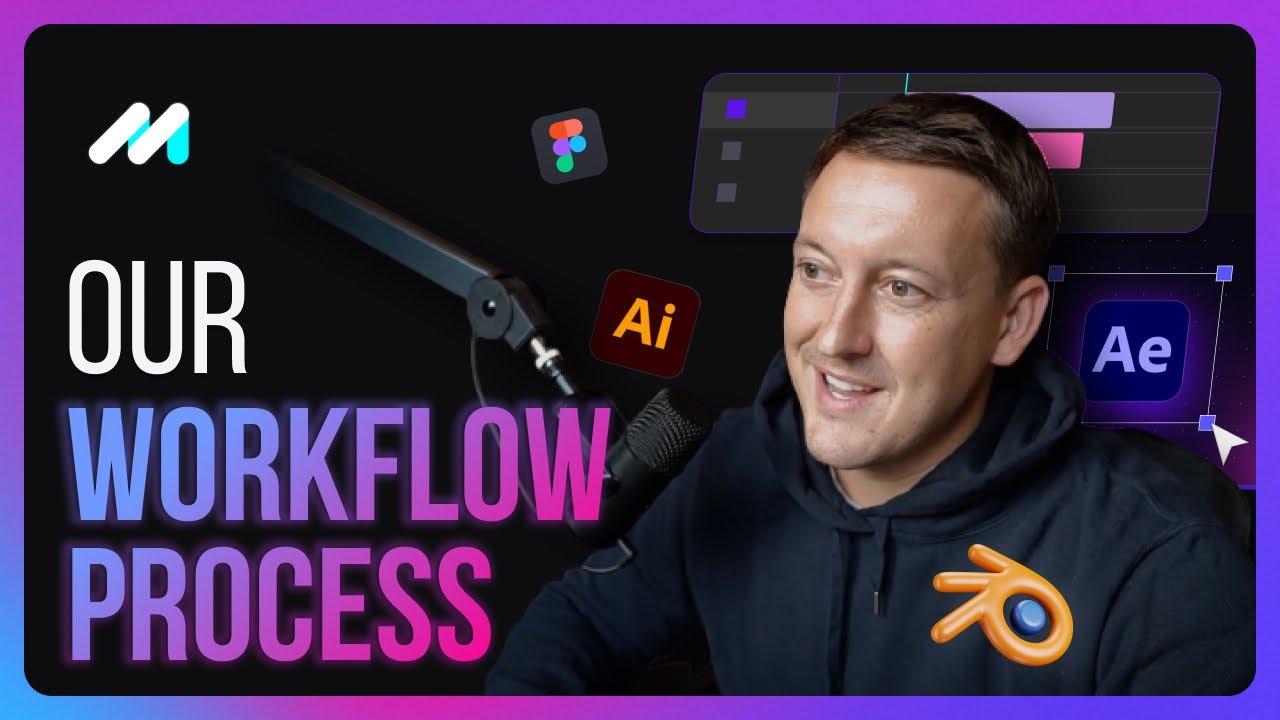
- Proficiency in Motion Design Software: Mastery of industry-standard tools such as Adobe After Effects, Premiere pro, Adobe illustrator, Adobe Photoshop, and Cinema 4D.
- Animation Principles: Strong grasp of animation fundamentals to create smooth, engaging visuals that effectively communicate learning objectives.
- Storyboarding and Visualization: Ability to translate instructional goals into visual storyboards that illustrate concepts clearly and cohesively.
- Understanding of E-Learning Platforms: Familiarity with Learning Management Systems (LMS) like Moodle, Blackboard, or Canvas and how multimedia is integrated with course content.
- Graphic Design Skills: Competency in layout, color theory, typography, and design trends relevant to education.
- Collaboration and Dialog: Excellent teamwork and interpersonal skills, essential for working alongside educators, content creators, and developers.
- Time management: Capability to manage multiple projects,meet deadlines,and adapt to varying project scopes typical in academic settings.
- Attention to Accessibility: Understanding of accessibility standards (like WCAG) to ensure motion graphics are inclusive and usable by all learners.
- Continuous Learning: eagerness to stay updated with new tools, animation techniques, and trends in both e-learning and design technology.
Core Responsibilities of a Motion Graphics Designer in E-Learning
Motion graphics Designers in universities, colleges, and schools take on diverse tasks that support the creation of visually appealing learning resources. Some of the primary roles and responsibilities include:
- Designing animated explainer videos, intros, outros, and interactive elements for online courses and digital lessons.
- Collaborating with instructional designers and subject matter experts to convert educational content into motion graphic narratives.
- Developing info-graphics and kinetic typography that clarify complex topics and improve knowledge retention.
- Ensuring all motion graphic elements are aligned with institutional branding and educational standards.
- Testing and optimizing visual content for accessibility and performance across various devices and platforms.
- Updating and refreshing existing e-learning assets to maintain relevance and engagement.
- Providing creative input in the conceptualization of new learning modules or curriculum enhancements.
Career Opportunities for Motion Graphics Designers in Education Technology
The expansion of online and blended learning models has made the role of a motion graphics designer highly sought-after in the education sector.Potential career opportunities for motion graphics designers in universities,colleges,and schools include:
- In-House Motion Graphics Designer: Work within a university’s media or e-learning department,designing educational assets for campus-wide online courses and programs.
- E-Learning Content Developer: collaborate with educators to build interactive course materials for virtual classrooms or Massive open Online Courses (MOOCs).
- Instructional Media Specialist: Focus on multimedia production, blending animation with live-action footage and audio narration to craft engaging lessons.
- Freelance Motion Graphics Designer: Offer expertise on a project-by-project basis, supporting multiple institutions or educational startups with design needs.
- Learning Experience Designer: Design holistic learning experiences by integrating motion graphics,UX/UI,and instructional design principles.
- visual Communication Specialist: Develop branded animation and visual guides that communicate school initiatives, workshops, or special events to students and staff.
Beyond these direct roles, motion graphics designers may progress into senior creative, leadership, or academic technology positions, especially with experience or advanced qualifications.
Benefits of Working as a Motion Graphics Designer in E-Learning
Choosing a career in education technology as a motion graphics designer offers unique advantages:
- Creative Impact: Bring complex ideas to life, making a genuine difference in how students learn and understand new concepts.
- Job Stability: Academic institutions have increasing demand for digital content specialists,ensuring strong job security and growth.
- Diverse Projects: Work on a variety of courses, subjects, and age groups—ranging from STEM modules to arts and humanities.
- Collaborative Environment: Constantly interact with educators, technologists, and students, fostering continuous personal and professional growth.
- Meaningful Contribution: play a vital role in improving educational equity and accessibility through visually enhanced learning.
- Professional Development: Many institutions support further training, certifications, and attendance at industry events or conferences.
Practical Tips for Aspiring motion graphics Designers in E-Learning
If you’re eager to become a motion graphics designer in the education sector, consider the following steps to boost your employability:
- Build a Strong Portfolio: Create sample animations and e-learning projects that demonstrate your skills and versatility. Include examples tailored for educational purposes.
- Stay Updated with EdTech Trends: Follow developments in education technology,online learning platforms,and new multimedia tools.
- Learn About Instructional Design: Understand core instructional design models (like ADDIE or SAM) to align your visuals with learning objectives.
- Join Professional Associations: Engage with communities such as the Association for Talent Development (ATD) or local EdTech meetups to expand your network.
- Tailor Applications: Customize your CV and cover letter to highlight your experience in educational animation,emphasizing teamwork and accessibility.
- Seek Feedback: Regularly seek input from peers, mentors, or educators to refine your work and ensure it meets current academic standards.
- Consider Advanced study: Pursuing further study in education technology, instructional design, or motion graphics can enhance your prospects for promotion or specialization.
Conclusion
Motion Graphics Designers in E-Learning are changing the face of education across universities, colleges, and schools by transforming customary content into interactive, animated, and engaging experiences. If you have a passion for both creative design and educational innovation, this career path offers rewarding challenges, considerable growth opportunities, and the chance to make a lasting impact on learners of all ages. by developing the necessary skills, staying attuned to the latest trends in education technology, and building a dynamic portfolio, you’ll position yourself as a sought-after professional in the evolving world of e-learning.