
Navigating Data Privacy in EdTech: Essential Guidelines for Secure and Compliant Learning
The rapid integration of educational technology—commonly known as edtech—has transformed the modern classroom.But as digital learning platforms, apps, and cloud tools become central to education, they also introduce new challenges surrounding data privacy in EdTech. Safeguarding the personal facts of students, educators, and administrators is paramount to ensuring both compliance with global regulations and trust in digital learning environments.
Table of contents
- Why Data Privacy Matters in EdTech
- Key Data Privacy Challenges in EdTech
- Essential Guidelines for Secure and Compliant EdTech
- Practical tips: How to Enhance Data Privacy in Your EdTech Ecosystem
- Case Studies: Real-World Examples of EdTech Privacy In practice
- Conclusion
Why Data Privacy Matters in EdTech
With the advent of online classrooms and personalized learning tools, student data—including names, email addresses, learning progress, assessment results, and sometimes even biometric data—is collected and stored at unprecedented rates. Protecting this sensitive information is crucial not only to comply with legislation like GDPR, FERPA, and COPPA, but also to preserve student safety and institutional reputation.
key reasons for prioritizing data privacy in educational technology include:
- Legal Compliance: Avoiding heavy penalties and legal action due to non-compliance with privacy laws.
- Building Trust: Parents, students, and educators are more likely to adopt and use EdTech tools they trust.
- Preventing Data Breaches: Securing personal and educational data against hackers and cyber threats.
- Safeguarding Academic Freedom: Keeping student learning activities confidential and preventing misuse of data.
Key Data Privacy Challenges in EdTech
Despite its many benefits, EdTech introduces unique data privacy challenges:
- Diverse Data Collection: Schools and platforms gather and process extensive, sometimes unnecessary, student information.
- Third-Party Integrations: Many educational apps use external plugins and APIs,expanding the risk landscape.
- Cloud Storage Risks: Cloud-based tools—even with high-security standards—may expose data to breaches if misconfigured.
- Lack of Standardization: Different jurisdictions apply different rules, making compliance across borders tricky.
- Low Digital Literacy: Educators,students,and parents might lack awareness of digital safety best practices.
Essential Guidelines for Secure and Compliant EdTech
How can educators, school administrators, and EdTech developers foster data security in educational technology while ensuring compliance? Here are essential guidelines to follow:
1. Understand and Comply with Privacy Regulations
- Familiarize yourself with laws like FERPA (Family Educational Rights and Privacy Act), COPPA (Children’s Online Privacy Protection Act), and GDPR (General Data Protection Regulation) if you serve international students.
- Regularly audit your compliance practices—especially if partnering with third-party vendors.
2. embrace Data Minimization
- Collect only the information absolutely necessary for the tool or platform to operate.
- Implement data retention policies—purge data that is obsolete or no longer required.
3. Ensure Informed Consent
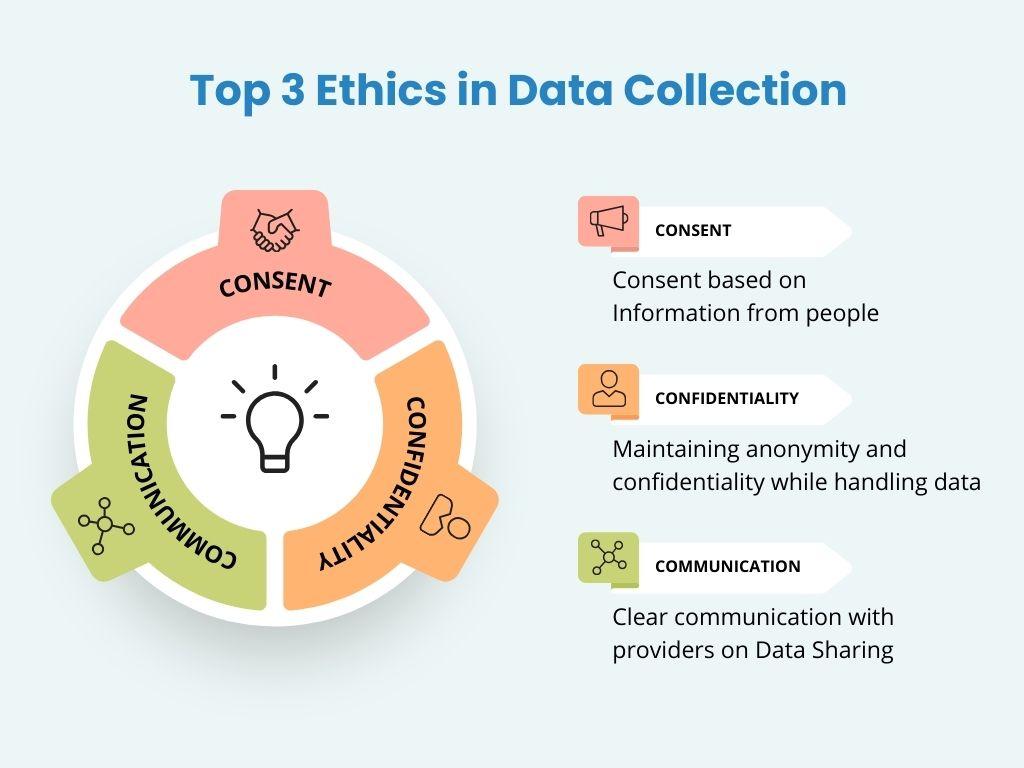
- Clearly communicate what data is collected, how it will be used, and with whom it may be shared.
- Use age-appropriate consent forms and verify permissions for minors in compliance with applicable laws.
4. Adopt Robust Security Measures
- Implement end-to-end encryption for personal and assessment data.
- Adopt multi-factor authentication (MFA) for educator and administrator accounts.
- Conduct regular security assessments and penetration tests to identify and patch vulnerabilities.
5. Vendor and Third-party Management
- Vet all software vendors for compliance with privacy standards and require Data Processing Agreements (DPAs).
- Monitor third-party data usage to prevent unauthorized sharing or access.
6. Provide Ongoing Training and Awareness
- Educate faculty, students, and families about digital privacy and safe online practices.
- offer regular workshops and updates on changes in EdTech privacy policies or new cybersecurity threats.
7. Empower Data Subject Rights
- Enable easy access,correction,and deletion of personal data upon request (subject to legal exceptions).
- Set clear policies for responding to data access, correction, and erasure requests promptly.
Practical Tips: How to Enhance Data Privacy in Your EdTech Ecosystem
Embed these actionable steps into your day-to-day operations, whether you’re managing a classroom, designing an app, or overseeing an institution’s digital learning environment:
- Review Your Privacy Policy: Make privacy notices easy to find and understand. Update them with each tech change or new regulation.
- Use Trusted EdTech Solutions: Prioritize platforms certified by reputable privacy standards like ISO/IEC 27001, or endorsed by national education departments.
- Segment Access: Limit powerful administrative access and require strong authentication protocols.
- Automate Security Updates: Enable auto-updates for apps and operating systems to fix security vulnerabilities quickly.
- Regular data Backups: Regularly backup data, encrypt it, and ensure recovery plans are tested for disasters or breaches.
- Incident Response Plan: Develop and rehearse clear plans for responding to potential data incidents—explicitly including stakeholder communication strategies.
- Monitor Activity Logs: Use activity and audit logs to detect suspicious activity and respond instantly to anomalies.
- Engage Students and Parents: Host seminars and provide resources about safe digital habits.
Case Studies: Real-World Examples of edtech Privacy In Practice
Examining successful EdTech initiatives can shine a light on best practices:
Case Study 1: GDPR Compliance in European E-Learning Platforms
When GDPR was enacted,a leading European online learning portal undertook a comprehensive audit of its data flows.By redesigning consent forms, minimizing non-essential data collection, and restricting data storage to EU-based servers, the platform met compliance and enhanced parent trust. Result: a measurable increase in user engagement and a reduction in privacy complaints.
Case Study 2: United States K-12 School Districts and FERPA
A major U.S. school district partnered with vetted EdTech vendors who agreed to rigorous FERPA and COPPA compliance. The district also implemented annual privacy training for staff and used only platforms listed on their approved vendor list. This policy reduced data leakage and ensured fast, smooth responses to parental requests about student data.
Case Study 3: University Cloud Migration
A university migrating all its systems to the cloud established strict access role segmentation and multi-layer encryption. Regular penetration tests and clear privacy dashboards for students cemented confidence in their digital learning environment—boosting remote course registrations during the pandemic while keeping student data secure.
Conclusion
The path to navigating data privacy in EdTech is ongoing and collaborative. In the evolving world of digital learning, it’s clear that the security and privacy of student and faculty data must be foundational rather than an afterthought. By embracing essential guidelines—such as compliance, clarity, security, and education—you can create a safe, compliant, and thriving EdTech ecosystem.
Be proactive: review your EdTech platforms regularly, stay engaged with privacy trends, and foster open communication about digital safety. Ultimately,secure and compliant learning is not only a legal necessity but a core component of twenty-first-century education excellence.