
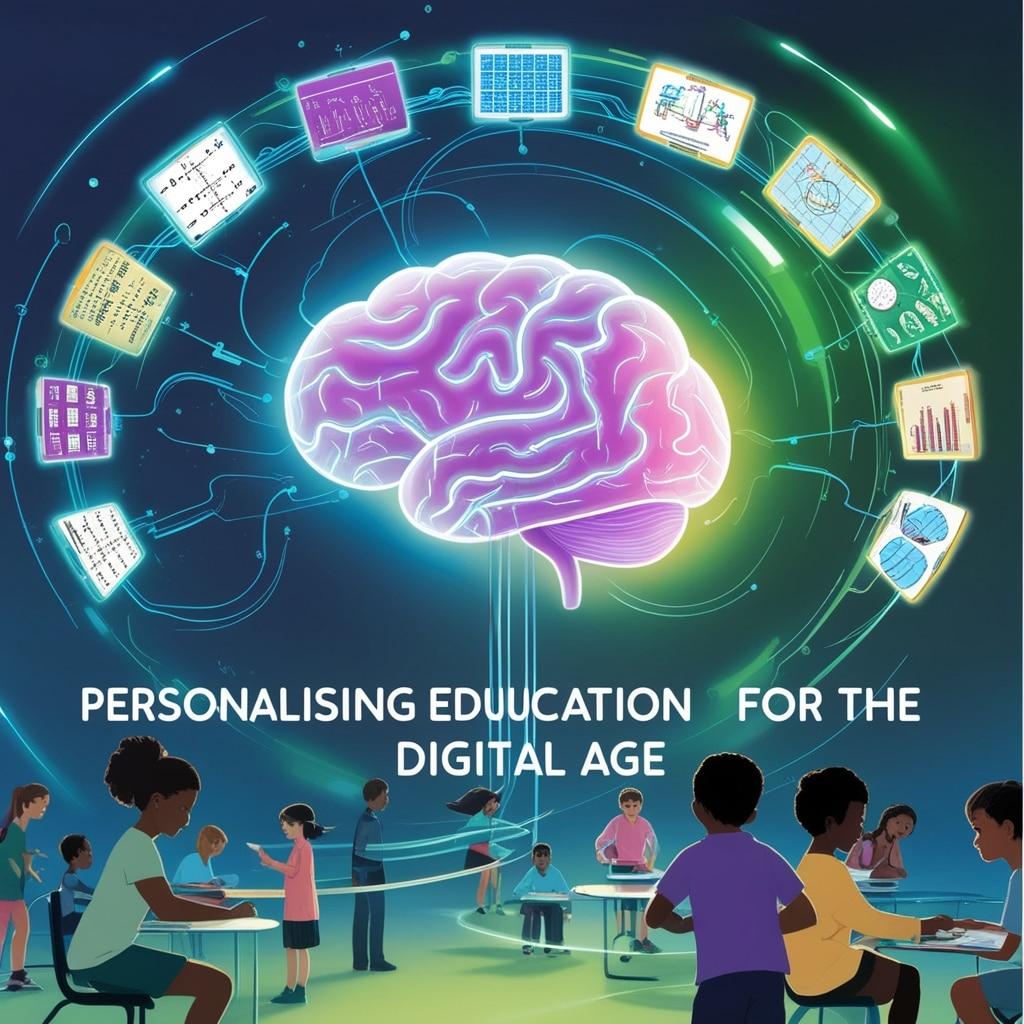
Navigating Data Privacy in EdTech: Essential Strategies for secure Digital learning
The explosive growth of educational technology—commonly known as EdTech—has transformed classrooms,virtual learning spaces,and administrative operations worldwide. At the core of this digital transformation lies a critical concern: data privacy in EdTech.With sensitive student information within reach of online platforms,ensuring a secure digital learning environment is more vital than ever. This complete guide explores crucial strategies to protect data privacy in EdTech, ensure student safety online, and foster trust in digital learning tools.
Why Data Privacy in EdTech Matters
As schools increasingly rely on digital platforms—ranging from learning management systems (LMS) to AI-powered assessment tools—the volume of personal data being shared, stored, and analyzed grows rapidly. the types of information collected may include:
- Names, addresses, and contact information
- Grades and academic records
- Student health and behavioral data
- usage logs and device information
Such sensitive data, if mishandled or breached, can result in identity theft, unauthorized profiling, and long-term harm to students.In addition, compliance with privacy regulations like FERPA, COPPA, and GDPR is required for educational institutions and EdTech providers. Thus, implementing secure digital learning strategies is both an ethical duty and a legal requirement.
Benefits of Strengthening Data Privacy in Digital Learning
Investing in robust data privacy protocols brings several advantages to educators, students, and EdTech companies:
- Enhances student and parent trust: Secure platforms build confidence among families that their data is respected and protected.
- Prevents data breaches: Strong privacy measures mitigate risks of hacking, leaks, and unauthorized access.
- ensures legal compliance: Adhering to privacy standards helps avoid costly penalties and reputational damage.
- Facilitates responsible innovation: Privacy-conscious growth encourages safe, ethical EdTech innovation.
Essential Strategies for Secure Digital Learning
to navigate the complex landscape of data privacy in EdTech, educational institutions and technology providers should implement the following strategies:
1. Conduct Comprehensive Data Audits
Begin by identifying what data is collected, how it’s stored, processed, and who has access. Regular data privacy audits can uncover vulnerabilities,reduce needless data collection,and ensure proper security controls are in place.
2. Employ strong Data Encryption
All sensitive information—whether in transit or at rest—should be encrypted using advanced standards (such as AES-256). Encryption is a core defense against data leaks and unauthorized readouts.
3. implement Access Controls and Authentication
- Adopt role-based access control (RBAC) to ensure only authorized personnel can view or modify data.
- Use strong,multi-factor authentication (MFA) for all users,especially administrators.
- Regularly review and update user permissions.
4. Minimize Data Collection and Retention
- Gather only the information necessary for educational purposes.
- Set time limits for data retention, securely disposing of outdated records.
- Communicate data lifecycles clearly to students and parents.
5. Ensure Transparent Privacy Policies
Transparency builds trust. EdTech platforms must provide clear, accessible privacy policies that detail data practices, user rights, and contact information for privacy concerns.
6. Train Educators and Staff
- Conduct regular training on data privacy, emerging threats, and proper data handling procedures.
- Promote a culture of security awareness across all levels of the institution.
7. Build Privacy by Design
Develop and select EdTech solutions with privacy integrated into every stage. This may include:
- Integrating consent mechanisms before data collection
- Allowing users to control their data visibility
- Ensuring software updates promptly address security flaws
8. Foster a Partnership with Reputable edtech Providers
Evaluate partner companies on their privacy credentials, history of security incidents, and regulatory compliance.Reputable providers will often undergo third-party audits and publicly share results.
9. Prepare for Data Breach Responses
- Establish an incident response plan tailored for educational contexts.
- Test readiness through tabletop exercises.
- Ensure timely breach notifications are part of response protocols, per regulatory guidelines.
Case Studies: data Privacy Challenges and Solutions in EdTech
Case Study 1: Implementation of GDPR-Compliant LMS in European Schools
A consortium of schools in Germany transitioned to a new learning management system (LMS) that emphasized GDPR compliance. The system incorporated two-factor authentication, minimization of personal identifiable information (PII), and robust parental consent features. As an inevitable result,schools reported improved parent satisfaction and reduced risk of regulatory infractions.
Case Study 2: U.S. School District Adopts Student Data Encryption
After several U.S. districts experienced ransomware attacks, one district responded by encrypting all student records and implementing real-time breach detection. The outcome was a meaningful decrease in unauthorized access attempts and elevated trust from the local community.
Practical Tips for Teachers and EdTech Users
- Always log out from digital learning platforms after use.
- Educate students about the importance of strong, unique passwords.
- Be wary of third-party tools and extensions—integration should be vetted for privacy risks.
- Encourage open communication about privacy concerns between students, parents, and administrative staff.
Current and Emerging Data Privacy Regulations in EdTech
Understanding the regulatory landscape is essential for anyone involved in digital education. Key laws impacting data privacy in EdTech include:
- FERPA (Family Educational rights and Privacy Act) – U.S. legislation protecting student education records
- COPPA (Children’s Online Privacy Protection Act) – Regulates online data collection from children under 13 in the U.S.
- GDPR (General Data Protection Regulation) – Sets a global standard for personal data protection, especially in Europe
- State-specific regulations like California’s CCPA, providing extra protections for minors
Staying aware of legal updates—and consulting with data protection officers—ensures ongoing compliance and continuous improvement in privacy measures.
Conclusion: Prioritizing Data privacy for Safer Digital Learning
As EdTech continues to shape the future of education, data privacy emerges as a defining pillar of trust, safety, and digital citizenship. By embracing essential strategies for secure digital learning, educators and technology providers can not only comply with global privacy laws but also foster empowered, informed learners who can confidently navigate the online world. Upholding data privacy in education isn’t just about risk prevention—it’s about building a brighter, more secure, and equitable future for everyone in the digital classroom.