
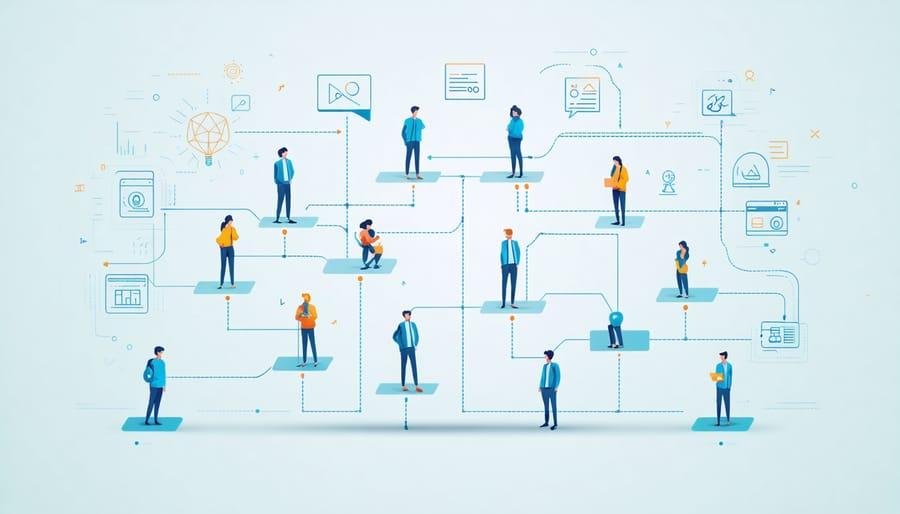
Navigating data Privacy in EdTech: Essential Tips for Secure Learning Environments
As education technology (EdTech) continues to revolutionize classrooms worldwide, data privacy has emerged as a critical concern for educators, students, parents, and administrators. With an increasing reliance on digital platforms for teaching, learning, and administration, sensitive student information is more vulnerable than ever.In this comprehensive guide, we’ll explore how to navigate data privacy in EdTech, provide essential tips for secure learning environments, and reccommend best practices to safeguard personal and institutional data.
Why Data Privacy Matters in EdTech
The integration of technology in education brings opportunities for personalization, efficiency, and expanded access. However, it also introduces significant data privacy challenges. Educational platforms routinely collect, store, and process a variety of sensitive information, such as names, addresses, grades, behavioral data, and even biometric records.
- Personal risks: Unauthorized access to student data can lead to identity theft, cyberbullying, or unwanted profiling.
- Regulatory compliance: Failure to protect student data can result in hefty fines and legal consequences under laws such as FERPA and GDPR.
- Trust and reputation: Data breaches erode trust in educational institutions and edtech providers, potentially impacting enrollment and funding.
Common Data Privacy Risks in EdTech
Before diving into practical solutions, it’s important to recognize the key data privacy risks facing digital learning environments:
- Weak authentication protocols: Inadequate login and password requirements threaten user accounts.
- Unencrypted data transmission: Sending data over insecure networks makes interception by malicious actors easier.
- Excessive data collection: Storing unneeded student information increases exposure if a breach occurs.
- Third-party integrations: Educational apps often integrate with third-party services, which may have different privacy standards.
- Lack of clarity: Students, parents, and educators may be unaware of what data is collected or how it’s used.
Essential Data Privacy tips for EdTech Security
Building secure learning environments requires proactive efforts by educators, administrators, and EdTech providers. Here are some practical tips for strengthening data privacy in educational technology:
1. Choose Reputable EdTech Platforms
- Research the privacy policies and security practices of any EdTech tool before adoption.
- look for platforms certified by organizations such as Student Privacy Pledge.
- Read reviews, consult with peer institutions, and request security documentation.
2.Implement Strong Authentication and Password Policies
- Enforce multi-factor authentication (MFA) for all users.
- Require complex passwords and regular password updates.
- Educate users about phishing and social engineering threats.
3. Minimize Data Collection and Retention
- Collect and store only the data necessary for educational purposes.
- Regularly audit data repositories and delete outdated or unnecessary records.
- Develop clear data retention and deletion policies in line with data protection laws.
4. Secure Data Transmission and Storage
- Use platforms that support end-to-end encryption for data in transit and at rest.
- Ensure backups are encrypted and securely stored.
- Keep all software and plugins up to date to patch vulnerabilities.
5. Monitor Third-Party Integrations
- Carefully vet third-party tools and ensure they meet the same data privacy standards as your primary platform.
- Maintain an inventory of all connected services and review access permissions regularly.
- Establish data processing agreements (DPAs) with any external providers.
6. Train Educators and Students on Digital Safety
- Conduct regular workshops on cyber hygiene and digital literacy.
- create easy-to-follow guides for recognizing suspicious activity and reporting breaches.
- Encourage conversations around the importance of data privacy in the classroom.
Data Privacy compliance: Laws and Regulations
Ensuring compliance with relevant data privacy regulations is vital for all institutions using EdTech. Some of the most significant laws include:
- FERPA (Family Educational rights and Privacy Act): Protects the privacy of student education records in the U.S.
- GDPR (General Data Protection Regulation): Provides strict data protection standards for EU citizens, affecting global EdTech companies.
- COPPA (Children’s Online Privacy Protection Act): Restricts online data collection from children under 13 years old in the U.S.
Educational institutions must stay informed about local, national, and international regulations and ensure all EdTech solutions are compliant. Periodic reviews with legal counsel or privacy experts are a must.
Benefits of Robust Data Privacy in EdTech
Investing in secure digital learning environments isn’t just about compliance; it also brings a range of benefits:
- Enhanced trust: Parents and students are more agreeable engaging with platforms that prioritize data security.
- Reduced risk of data breaches: Proactive measures decrease the likelihood of cyberattacks and leaks.
- Improved student outcomes: Secure environments foster better participation and innovation in learning.
- Reputation management: Demonstrating a commitment to privacy strengthens your institution’s public image.
Case Study: How a School District Strengthened EdTech Data Privacy
A large urban school district faced a significant data breach in 2022 when a third-party app exposed student information. In response, the district overhauled its EdTech privacy protocols:
- Adopted a centralized vetting process for all new digital tools.
- Mandated MFA and single sign-on for all platforms.
- Partnered with cybersecurity consultants to conduct regular vulnerability assessments.
- Created a district-wide digital citizenship curriculum emphasizing data privacy awareness.
Within a year, successful incidents dropped by 65%, and parent satisfaction with digital learning tools increased considerably.
First-Hand Experience: Prioritizing Student Privacy as an Educator
“When remote learning became the norm, I quickly noticed how many online platforms asked for more student data than I was comfortable sharing,” says emma, a middle school teacher.”By collaborating with IT and only using vetted EdTech tools,I ensured my students’ digital safety. I also encouraged open conversations about online privacy, helping students understand why it matters to protect their personal information.”
Real-world, classroom-level vigilance is crucial. each educator’s awareness and diligence make a collective impact.
Practical Checklist: Ensuring Data Privacy in Your Learning Environment
- Review and understand every EdTech platform’s privacy policy.
- Limit data sharing to what is strictly necessary.
- Train staff and students on cybersecurity basics.
- Monitor device and account access for unusual activity.
- Engage parents and guardians in ongoing privacy conversations.
- Stay updated on new regulations and EdTech solutions.
Conclusion: Building a Secure Future for Digital Learning
As edtech continues to transform the educational landscape, protecting students’ personal information must remain a top priority. By understanding data privacy risks, following best practices, and fostering a culture of digital safety, educators and administrators can ensure secure learning environments for everyone. Navigating data privacy in EdTech is a shared responsibility—one that ultimately empowers students to learn,grow,and thrive safely in the digital world.