
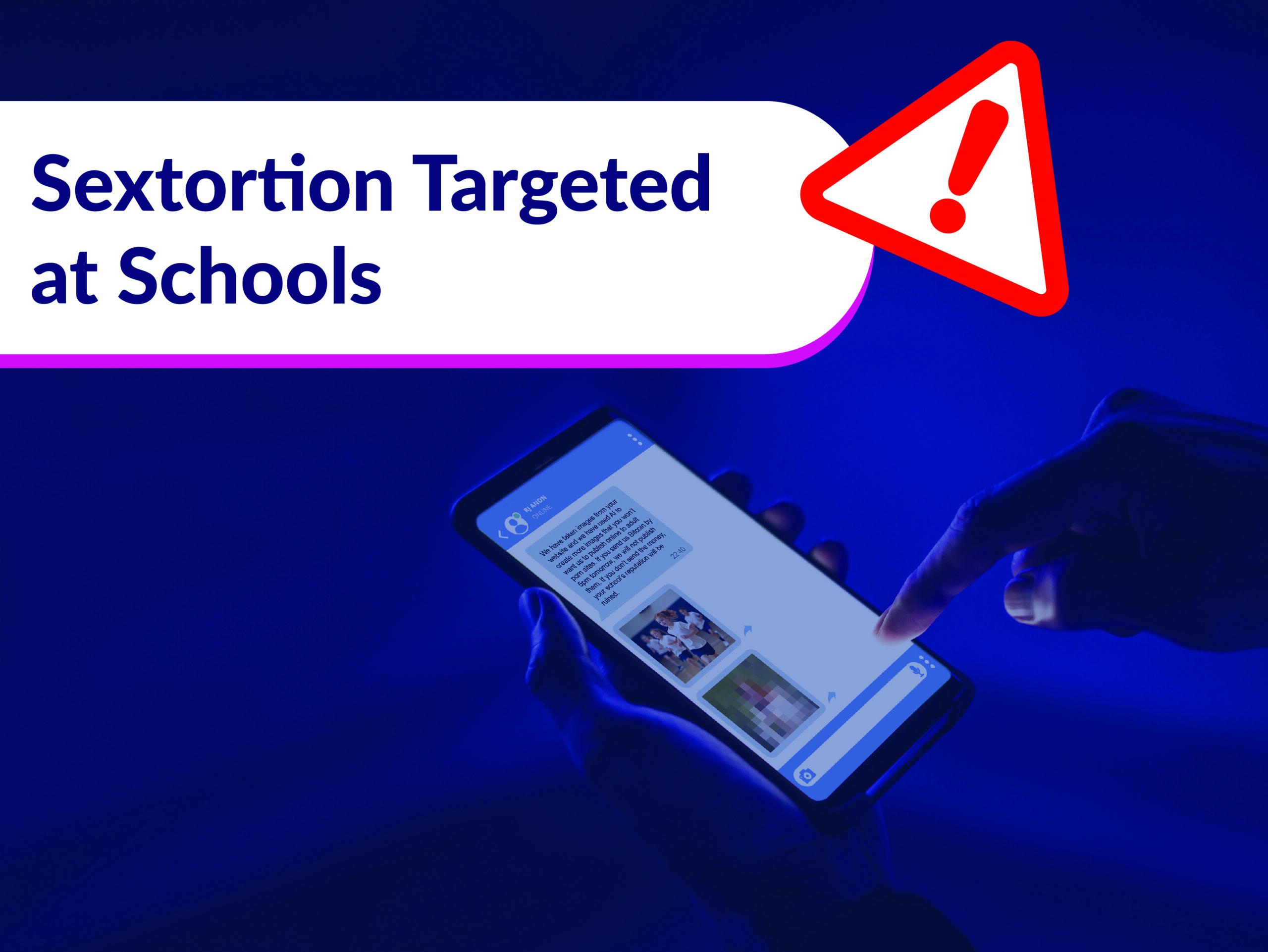
Navigating data Privacy in Education Technology: Essential Tips for Protecting Student Information
As education technology (EdTech) continues to revolutionize classrooms, data privacy in education technology has become a top concern for educators, administrators, parents, and students. The vast integration of digital tools means that schools handle more sensitive information than ever before. So, how can educators strike the right balance between utilizing innovative technology and safeguarding student data? In this article, we explore essential tips, actionable strategies, and compliance measures to help protect student information in today’s digital learning environments.
Why Data privacy in Education Technology Matters
From personal identification numbers to academic performance, schools collect a wealth of data that, if mishandled, can lead to severe consequences. Data breaches can jeopardize student safety, erode trust with parents, and expose institutions to legal and financial repercussions.
- Identity Theft: Students can become targets for identity theft if sensitive information is mishandled.
- compliance Risks: Non-compliance with legislation like FERPA, COPPA, or GDPR may result in costly penalties.
- Loss of Trust: Parents and students may lose confidence in the institution’s ability to protect their data.
the Legal landscape: Data Privacy Laws Affecting EdTech
Educational institutions and EdTech providers must navigate a complex web of regulations:
- FERPA (Family Educational Rights and Privacy Act): Protects the privacy of student education records in the U.S.
- COPPA (Children’s Online Privacy Protection Act): Governs online data collection from children under 13.
- GDPR (General Data Protection Regulation): Applies to EU residents, including those in international schools.
- State Laws: Many U.S. states have their own privacy laws, such as California’s CCPA.
It’s essential to stay informed about the latest privacy standards and ensure EdTech tools are compliant with applicable laws.
Benefits of Strong Data Privacy Practices in Education Technology
- Enhanced Student Safety: Protecting data reduces the risk of cyberbullying, identity theft, and exploitation.
- Increased Trust: Transparent privacy practices build confidence among parents, students, and staff.
- Improved Learning Outcomes: when students feel safe,they’re more likely to engage positively with digital tools.
- legal Compliance: Reduces the risk of penalties and ensures smooth functioning of institutional workflows.
Essential Tips for Protecting Student Information
Implementing robust data privacy measures in EdTech settings requires a thorough, proactive approach. Here are actionable tips to help your institution navigate privacy challenges effectively:
1.Evaluate EdTech Vendors for Data Privacy Compliance
- Choose education technology vendors with transparent privacy policies and certifications (e.g., iKeepSafe, TRUSTe, or COPPA compliance badges).
- Review each vendor’s data handling practices—ensure they only collect essential information and provide options for data deletion.
- Request and retain signed agreements that clearly outline responsibilities for data security and privacy.
2. Secure Data Access and Storage
- Implement role-based access controls (RBAC) and strong authentication methods to ensure only authorized staff can access sensitive data.
- Utilize encryption (both in transit and at rest) for all student information.
- Regularly audit user access logs and monitor for unusual activity.
3. Educate staff and Students
- Provide mandatory data privacy training for all staff, highlighting risks, proper handling of information, and the importance of secure passwords.
- Teach students about responsible digital citizenship—such as not oversharing personal information online.
- Conduct regular refresher sessions to stay updated on best practices.
4.Create and Enforce Comprehensive data Privacy Policies
- Draft clear,accessible privacy policies outlining how data is collected,used,stored,and shared.
- include details on how parents and students can access, correct, or request deletion of their data.
- Review and update policies regularly to reflect evolving technologies and legal requirements.
5. Minimize Data Collection
- Only request and store information necessary for educational purposes.
- Conduct periodic data audits to identify and purge redundant information.
6. Plan for Data Breaches
- Develop and document a clear incident response plan covering how breaches are detected, contained, and communicated.
- Notify affected individuals and regulatory bodies promptly, as required by law.
- Regularly test your response plan with cybersecurity drills.
Case Study: How One School District Improved Data Privacy
Springfield School District faced challenges around digital safety as they expanded the use of educational technology.After a minor data exposure incident, they took the following steps:
- Created a cross-functional privacy task force including IT, teachers, and legal representatives.
- Reviewed and upgraded contracts with EdTech vendors, mandating encryption and breach notification clauses.
- Rolled out mandatory staff training sessions and provided digital literacy resources for students and parents.
- Established an open-door policy for concerns, boosting openness and trust among stakeholders.
Consequently, incidents of unauthorized access declined drastically, and parental engagement increased regarding data safety topics.
Best practices for parents and Students
Parents and students play a critical role in protecting personal data in education technology. Here are some practical tips:
- Review the privacy policies of all educational tools your child uses and ask questions when unclear.
- Encourage the use of strong, unique passwords and activate two-factor authentication where available.
- Regularly check which apps have permission to access student accounts and disable unused ones.
- Discuss with your child the importance of not sharing personal details or passwords with others.
Future Trends: The evolution of Data Privacy in EdTech
as artificial intelligence and machine learning become more prevalent in education, protecting student data will require even more sophisticated approaches. Expect to see:
- Automated Data Auditing: Using AI to monitor data access and flag anomalies in real-time.
- Greater Transparency: Dashboards showing students and parents how their data is used.
- Global privacy Standards: Schools increasingly adopting international best practices as education becomes more interconnected.
Staying proactive and adaptable will be essential for keeping student data secure amid rapid technological advancements.
Conclusion
Data privacy in education technology isn’t just a legal requirement—it’s a critical foundation for trust, student safety, and accomplished digital learning. By following best practices, fostering transparent dialogue, and staying informed about evolving regulations, schools can confidently embrace the benefits of EdTech while effectively protecting student information. Every stakeholder, from administrators to parents, plays a vital role in cultivating a culture of digital safety.
with robust frameworks and ongoing vigilance, educational institutions can create secure, future-ready environments where students thrive—not just academically, but safely, as well.