
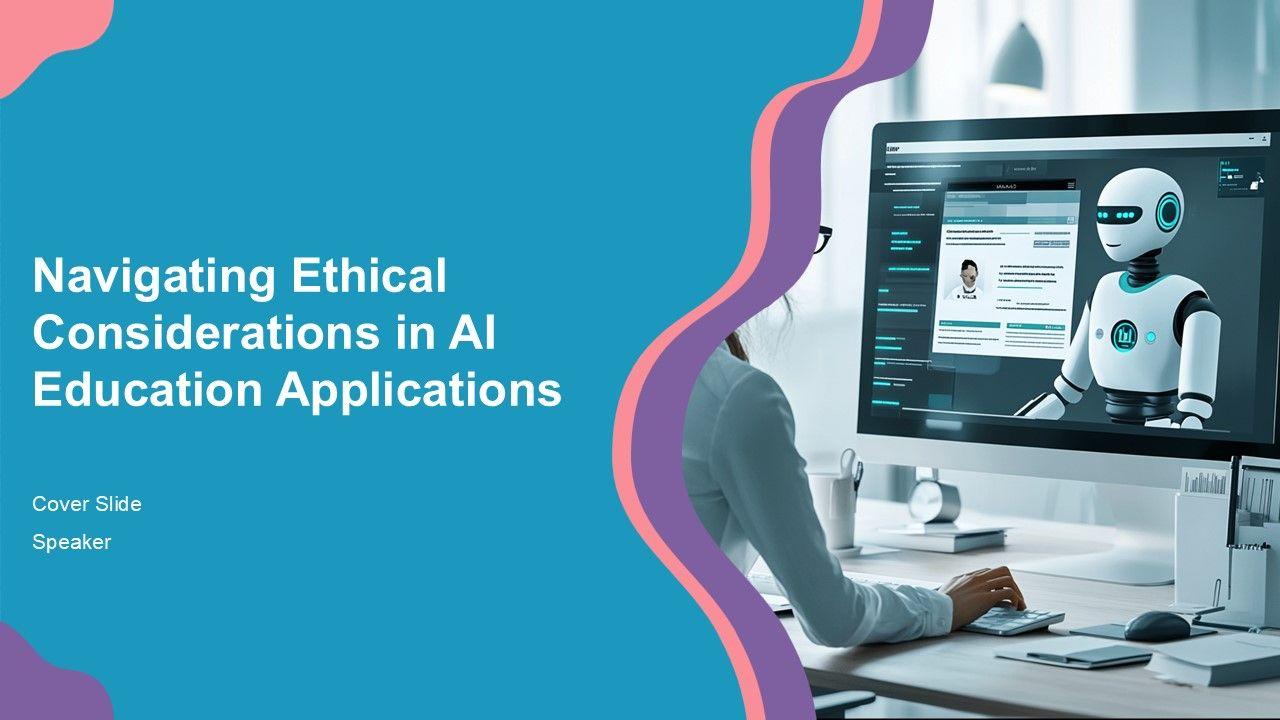
Navigating Ethical Considerations in AI-Driven Learning: Challenges and Solutions
Artificial intelligence (AI) has been revolutionizing the education sector, unlocking new avenues for personalized instruction and efficient learning. However, as AI-driven learning becomes increasingly embedded in classrooms and remote environments, the ethical concerns surrounding its use have drawn meaningful attention from educators, developers, and policymakers.
This thorough guide explores how institutions, edtech developers, and educators can navigate the ethical landscape of AI in education—highlighting the key challenges and presenting actionable solutions.Whether you’re an administrator, teacher, or tech innovator, understanding these issues is vital for fostering safe, fair, and effective learning environments.
Understanding Ethical Challenges in AI-Driven Learning
AI-powered tools such as adaptive learning platforms, chatbots, and automated grading systems introduce efficiency and personalization—but thay also bring forth a set of ethical dilemmas. Below are prominent challenges institutions face:
- Data privacy and Security: AI applications require vast amounts of student data. protecting this sensitive information from breaches and misuse is paramount.
- Bias and Fairness: AI algorithms can unintentionally perpetuate biases, leading to unfair educational outcomes.
- Openness and Accountability: Opaque AI decision-making processes can make it tough for educators and learners to understand how results are derived.
- Consent and Autonomy: Students and parents need clear choices and consent regarding how AI tools interact with their personal data.
- intellectual Property: AI-generated content—or the use of student data—raises questions around copyright and ownership.
- Impact on Teacher Roles: Extensive automation could potentially marginalize educators’ customary roles, altering classroom dynamics.
Benefits of Ethically-Implemented AI in Education
While there are challenges, ethically mindful AI can dramatically improve learning outcomes. Here’s how:
- Personalized Learning Paths: AI adapts instruction to individual student strengths and weaknesses.
- Reduced Administrative Burden: Automated grading and feedback free up teachers to focus on teaching.
- Enhanced Accessibility: AI tools support learners with disabilities and non-native language speakers.
- insight-Driven Decision Making: Data-driven insights help educators refine teaching strategies and curricula.
These benefits underscore the importance of not abandoning AI, but rather using ethical frameworks to guide its advancement and deployment.
Ethical Challenges in Depth
1. Data Privacy and Security
AI-driven learning platforms collect enormous amounts of personal and academic data. without robust safeguards,this information is vulnerable to cyber threats and unauthorized use. Regulations like GDPR and FERPA set standards, but compliance and enforcement can lag behind technological advancement.
2. Bias and Fairness in Algorithms
AI algorithms are only as unbiased as the data they’re trained on. If training data reflects historical biases (gender, race, socioeconomic status), these prejudices can manifest in learning recommendations, grading, and resource allocation.
3. Transparency and Explainability
“Black box” AI systems make decisions that are hard to interpret. Students may be unfairly grouped, graded, or recommended for interventions without clear rationale. This undermines trust and undermines educational equity.
4. Consent and Autonomy
Students, educators, and guardians should be informed and empowered to decide how AI interacts with their data and learning paths. Inadequate communication leads to mistrust and potential legal conflicts.
Practical Solutions: Building Ethical AI-Driven Learning
Addressing ethical concerns involves proactive and ongoing strategies:
- Implement Robust Data Protection Measures
Encrypt sensitive student information, restrict access, and conduct regular security audits. Ensure compliance with data privacy regulations.
- Mitigate Bias Through diverse Data Sets
Use varied, representative data for AI training. Continuously monitor outputs for signs of unfairness, and adjust models as needed.
- Promote Transparency
Select AI platforms offering clear explanations for automated decisions. Provide stakeholders with understandable summaries of how student data is processed and used.
- Obtain Informed Consent
Develop clear consent forms. Involve students and parents in decision-making about AI usage, including opt-out options.
- Empower Educators
Train teachers to use AI tools responsibly and support students effectively. AI should supplement, not replace, the irreplaceable human touch in teaching.
Case studies: Ethical AI in Action
Case study 1: Fairness in Adaptive Learning Platforms
A leading adaptive learning provider discovered bias in its algorithm—girls received fewer science learning recommendations than boys. By analyzing the training data and adjusting for gender depiction, they improved fairness and fostered equitable access to STEM education.
Case Study 2: Ensuring Data Privacy in Schools
A school district implemented rigorous encryption protocols and established clear user permissions for its AI-powered attendance and assignment system. They regularly updated their privacy policy and educated staff on cybersecurity best practices, resulting in zero data breaches over five years.
Practical Tips for Educators and Developers
- Choose Reputable AI Vendors: Partner with technology providers prioritizing ethical standards and transparent operations.
- Stay Updated on Legislation: Monitor changing laws (GDPR, COPPA, FERPA) to ensure continued compliance in AI use.
- Solicit Stakeholder Feedback: Engage students, parents, and staff in regular discussions about their experiences with AI tools.
- Invest in ongoing Training: Provide workshops for educators on the ethical use of AI in classrooms.
- Document Procedures: Clearly articulate institutional policies regarding data management, consent, and algorithm transparency.
First-Hand Experience: A Teacher’s Viewpoint on AI Implementation
Ms. Elena Ramirez, a high school science teacher, shares:
“Introducing AI-driven learning platforms in my classroom truly personalized student instruction. Though, I noticed some recommendations didn’t suit every student equally. Collaborating with my IT department, we identified these discrepancies and communicated openly with learners and parents. My experience proves that ethical concerns aren’t just theoretical—they directly impact daily teaching and student confidence. Educators must remain vigilant, proactive, and communicative when using AI tools.”
Conclusion: Embracing Ethical AI for the Future of Learning
AI-driven learning holds transformative promise,but its adoption must be paired with ongoing ethical diligence. By prioritizing privacy, fairness, transparency, and educator involvement, schools and edtech companies can harness AI’s full potential—while protecting student rights and educational quality.
As technology evolves, so too must our approaches to managing its risks. institutions championing ethical AI will set the standard for innovation and responsibility, ensuring a brighter, safer future for learners everywhere.
Keywords: Ethical considerations in AI-driven learning, AI ethics, data privacy in education, bias in educational AI, transparency in AI, ethical AI solutions, AI in education, challenges in AI learning, AI-powered education, edtech ethics.