
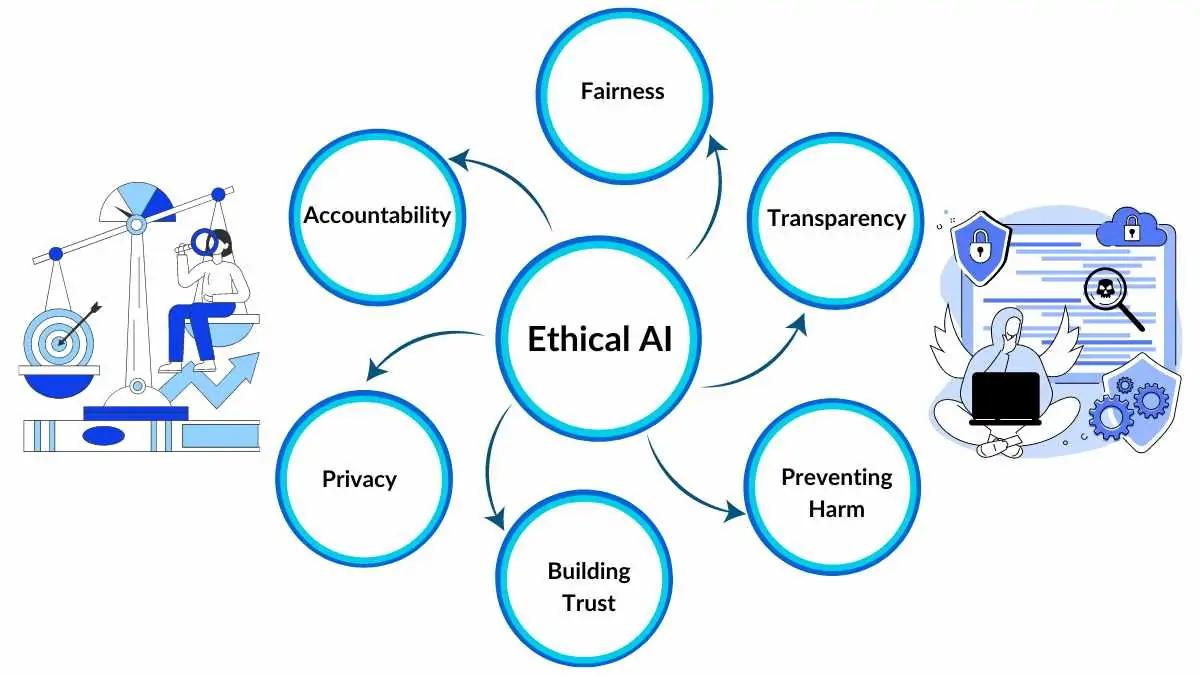
Navigating ethical Considerations in AI-Driven Learning: Key Issues and Best Practices
Artificial Intelligence (AI) is transforming education, personalizing learning experiences, and unlocking new opportunities for students and educators alike. However,with great power comes great responsibility.As AI-powered learning environments become more prevalent, navigating ethical considerations in AI-driven learning is essential for fostering trust, ensuring fairness, and maximizing positive outcomes. This comprehensive guide explores teh ethical challenges of AI in education, highlights key issues, and provides best practices for building responsible, human-centric AI learning systems.
Why ethical Considerations Matter in AI-Driven Education
AI-driven learning platforms analyze vast amounts of student data, adapt content, and automate decisions that impact educational pathways. While these innovations promise to revolutionize how we learn, ethical concerns must be addressed to:
- Protect student privacy and sensitive information
- Promote equity and eliminate algorithmic bias
- Enable transparency in automated decision-making
- Build trust among learners, educators, and stakeholders
- Uphold legal and societal standards in educational settings
Key Ethical Issues in AI-Driven Learning
1. Data Privacy and Security
AI-powered educational systems collect and analyze extensive student data—from academic performance to behavioral insights. Safeguarding this sensitive information is not only a legal necessity but an ethical imperative.
- Risks: Data breaches, unauthorized access, and surveillance concerns
- Best Practice: Deploy robust encryption, secure authentication, and strict data access controls
2. Algorithmic Bias and Fairness
AI algorithms can inadvertently perpetuate or amplify existing biases, especially if trained on unrepresentative data sets. This can unfairly impact certain student populations, undermining educational equity.
- Risks: Discriminatory outcomes in grading, recommendations, or admissions
- Best Practice: Continuously audit and update datasets to ensure diversity and fairness
3. Transparency and Explainability
Students and educators must understand how AI systems make decisions. Opaque “black box” algorithms can reduce trust and make it arduous to challenge or correct mistakes.
- Risks: Inability to explain or rectify AI-driven decisions
- Best Practice: Implement interpretable AI models and provide clear, accessible explanations
4. Informed Consent and Autonomy
It is crucial to obtain informed consent before collecting student data or deploying AI-based evaluations.
- Risks: Lack of informed participation, manipulation, or over-reliance on automated guidance
- Best Practice: Present clear consent forms and offer manual options alongside AI recommendations
5. accountability and Human Oversight
Who is responsible when an AI system makes a mistake? Ensuring human oversight in decision-making processes is essential for effective accountability.
- Risks: Difficulty attributing errors or harms caused by AI-driven learning tools
- Best Practice: Maintain transparent documentation and lines of responsibility for AI decisions
Benefits of Addressing AI Ethics in Education
When ethical considerations are prioritized, AI-driven learning solutions offer important benefits, including:
- Enhanced personalization: Tailored learning paths driven by accurate and fair analysis
- Increased engagement: Trustworthy AI fosters student and educator engagement
- Promoted equity: Actively addressing bias levels the educational playing field
- Long-term compliance: Meeting regulatory standards (e.g., GDPR, FERPA) and avoiding costly legal issues
Best Practices for Navigating ethical Challenges in AI-Driven Learning
To ensure your AI-driven learning environment is ethical, effective, and compliant, follow these actionable best practices:
1. Embed Ethics from the Start
- Adopt principles of privacy by design and ethics by design during growth
- Engage a diverse team of educators, data scientists, ethicists, and students in system design
2.Conduct Regular Ethical Audits
- Schedule audits to examine algorithms, outcomes, and datasets
- Utilize third-party experts to assess fairness and compliance
3. Prioritize Transparent Data Use
- Clearly communicate what data is collected,how it’s used,and who can access it
- Allow students to review,correct,or opt-out of data collection where possible
4. Ensure Human-in-the-Loop Oversight
- Establish clear policies ensuring significant decisions involve human educators or administrators
- Empower users to challenge and correct automated judgments
5. Foster a Culture of Digital Ethics
- Provide ongoing ethics training for educators and AI system designers
- Regularly update ethical guidelines to keep pace with evolving technology
Case Studies: Ethical AI in Action
Case Study 1: Addressing Algorithmic Bias in Student Grading
A leading online education provider noticed that its AI grading tool was producing consistently lower scores for students from certain regions. By conducting an in-depth data audit and refining its training data to include more diversity, the company reduced bias and improved grading fairness across all demographics. This proactive approach not only enhanced equity but also increased user trust and satisfaction.
Case Study 2: Transparent AI Recommendations in Tutoring Platforms
A popular AI-driven tutoring platform introduced a feature displaying the rationale behind each personalized learning recommendation. By making the algorithm’s logic transparent and providing an option for students and tutors to give feedback or request human review, the company increased engagement and built stronger relationships with users.
Practical Tips for implementing Ethical AI in Learning
- Review regulatory requirements (GDPR,US FERPA) regularly to stay compliant
- Involve the school community: Solicit feedback from students,parents,and teachers
- Document decision processes so errors can be traced and fixed quickly
- Invest in educator training to empower responsible and confident use of AI
- Monitor outcomes: Use analytics and reports to detect disparities and improve models proactively
First-Hand Experience: The Educator’s Outlook
As a high school teacher experimenting with AI-powered adaptive assessments,I initially feared losing control over my classroom. Though, by working with developers to maintain transparent data practices and regularly reviewing AI-generated suggestions, I was able to combine the best of technology and human insight. Students appreciated having explanations for recommendations and knowing they could discuss any concerns. This collaborative approach increased trust and led to better learning outcomes across the board.
Conclusion: Building Trustworthy and Responsible AI-Driven Learning Systems
Navigating ethical considerations in AI-driven learning is not a one-time task, but an ongoing commitment. As AI continues to reshape education,embracing transparency,fairness,and human agency ensures that innovations serve the best interests of all learners. By proactively addressing ethical challenges, engaging the entire educational community, and implementing robust best practices, we can harness AI’s full potential while safeguarding privacy, equity, and trust.
Ready to integrate ethical AI into your educational environment? Contact us today to explore how you can create secure, fair, and impactful learning experiences with next-generation AI technologies.