
Navigating Ethical Considerations of AI in Education: Key Issues and Solutions
Introduction
Artificial intelligence (AI) is revolutionizing the education sector, enhancing personalized learning, automating administrative tasks, and streamlining assessment processes.However,as AI technologies become more prevalent in schools and universities,they introduce new ethical considerations. Understanding and proactively managing these ethical issues of AI in education is essential for building trust, safeguarding student data, and ensuring equitable outcomes for all learners. In this comprehensive guide, we delve into the key ethical challenges of AI in education, discuss practical solutions, and outline actionable tips for responsible implementation.
Key Ethical Issues of AI in Education
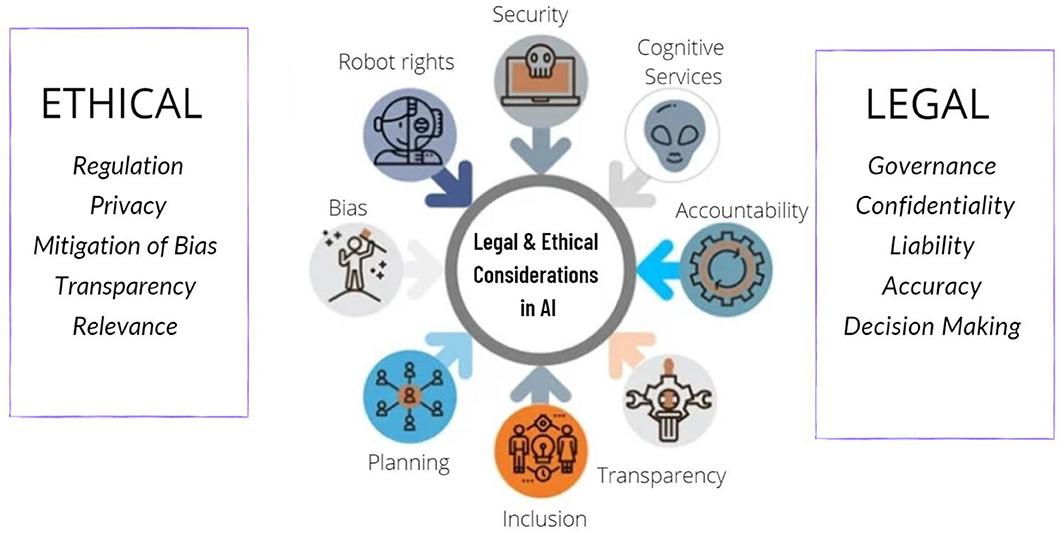
The integration of artificial intelligence in education presents a spectrum of ethical concerns that must be addressed to ensure the technology benefits students, teachers, and society at large. Below are the most prominent ethical issues:
1. Data privacy and Security
- Extensive Data Collection: AI-powered tools analyze massive amounts of student data to enable personalization. Though,collecting sensitive details raises concerns about consent,confidentiality,and unauthorized access.
- Data breaches or misuse: Exposure or improper handling of student data can led to identity theft, unauthorized profiling, or even discrimination.
2. Algorithmic Bias and Fairness
- Bias in training Data: If AI algorithms in education are trained on incomplete or biased datasets, their recommendations or assessments may unfairly disadvantage certain groups of students.
- Lack of Transparency: Many AI systems are “black boxes,” making it tough to understand how decisions are made or to detect bias.
3. Educational Equity
- Resource Inequality: Not all schools can afford advanced AI systems, risking a widening digital divide in education.
- Access and Inclusion: Students wiht disabilities, or those from marginalized backgrounds, may be left out if AI tools aren’t designed with inclusivity in mind.
4. Autonomy and Human Oversight
- Teacher and Student Roles: Over-reliance on AI in decision-making could undermine teachers’ authority and students’ ability to guide their own learning.
- Lack of Accountability: When a machine makes a critical error, who is ultimately responsible?
5. Consent and Informed Use
- Transparency: Students and parents may not be aware of the extent to which AI is used or its implications on privacy and learning outcomes.
- Informed Consent: Ethical AI adoption requires that all stakeholders understand and agree to how their data is used.
Real-World Case Studies: Ethical Challenges of AI in Education
Real-life examples illustrate both the promise and the pitfalls of AI in educational contexts:
- proctoring Software and Privacy: During the COVID-19 pandemic, many universities adopted AI-powered exam proctoring tools to prevent cheating. However,students raised concerns about invasive surveillance,data privacy,and potential discrimination against neurodiverse students.
- Automated Essay Grading: AI tools used to grade student essays have been found to inherit the biases present in their training data—sometimes assigning lower scores to essays written in non-standard dialects or by students for whom English isn’t a frist language.
- Personalized Learning Platforms: Adaptive learning technologies promise highly tailored education but can unintentionally reinforce learning “tracks” that limit student growth if not regularly reviewed and audited.
Practical Solutions: Managing the Ethical Implications of AI in Education
to address these challenges and support responsible AI in education, education leaders, policymakers, and edtech providers can implement the following best practices:
1. Strengthen data Privacy Protections
- Adopt robust data encryption and access controls to safeguard student records.
- Minimize data collection to only what is strictly necessary for educational outcomes.
- Regularly audit AI systems for security vulnerabilities.
- Ensure compliance with regulations like FERPA,GDPR,or local data protection laws.
2. Mitigate Bias and Discrimination
- Conduct regular bias audits of AI software and datasets.
- Diversify training data to reflect the backgrounds and experiences of all learners.
- Implement transparent algorithms and provide clear explanations for AI-driven decisions.
- Allow human oversight and redress mechanisms for students affected by AI determinations.
3. Foster Educational Equity
- Provide equitable funding and support so all schools can access quality AI tools.
- Design AI solutions with universal accessibility features (e.g., screen readers, multiple languages).
- Actively involve students with disabilities and from diverse backgrounds in the technology development process.
4. Maintain Human Agency and Oversight
- Ensure teachers are trained to use AI as a supportive tool, not a replacement for professional judgment.
- Establish clear protocols for human intervention when AI systems flag important concerns.
- Encourage student agency by allowing for manual overrides in AI-powered learning platforms.
5. Enhance Transparency and Consent
- Publish plain-language policies on the use of AI and student data.
- Engage students and parents in discussions about technology adoption and implications.
- Offer opt-in or opt-out mechanisms where feasible, especially for sensitive data uses.
Benefits of Ethical AI in Education
When AI in education is implemented ethically, it delivers notable advantages:
- Personalized learning: Adapts to individual strengths and weaknesses.
- Reduced Administrative Burden: Frees up educators’ time for meaningful student interactions.
- Scalable Support: Provides real-time feedback and intervention, even in large classrooms.
- Data-driven Insights: Helps identify learning gaps and optimize curricula.
These benefits are best realized when AI technologies are designed and used with a strong commitment to fairness, safety, and respect for all members of the educational community.
Actionable Tips for Schools and Educators
- Form interdisciplinary AI ethics committees with representatives from administration, faculty, students, and parents.
- Provide professional development on both the capabilities and limitations of AI tools.
- Evaluate potential AI vendors for their track record in ethical data handling and bias reduction.
- Solicit feedback continuously from all users of AI-powered products.
- Stay updated with evolving laws and best practices regarding AI ethics in education.
Conclusion
Artificial intelligence is rapidly transforming the landscape of education, making it more adaptive, efficient, and data-informed. Yet, the ethical considerations of AI in education can’t be ignored—addressing them head-on is essential for maximizing benefits and minimizing harm. By prioritizing student privacy, mitigating bias, fostering equity, and remaining transparent and inclusive, schools and universities can harness the power of AI for good.
As educational leaders and technology providers commit to ethical principles, the potential for AI to improve learning outcomes and democratize access becomes truly limitless. Staying informed,proactive,and engaged with stakeholders will ensure that the integration of artificial intelligence in education is both responsible and transformative.