
Navigating the Ethical Considerations of AI in Education: Balancing Innovation and Responsibility
Introduction: the Rise of Artificial Intelligence in Education
Artificial Intelligence (AI) is rapidly transforming the landscape of education. From personalized learning experiences and automated grading to smart tutoring systems and predictive analytics, AI in education offers unprecedented opportunities to enhance teaching and learning outcomes. Though, as with any transformative technology, these innovations bring forth a range of ethical considerations. Navigating the ethical use of AI in schools, colleges, and universities requires a careful balance between fostering innovation and upholding responsibility towards students, educators, and society at large.
understanding the Ethical Considerations of AI in Education
While AI holds immense promise in transforming educational practices,its adoption raises pressing ethical concerns. For educational institutions, policymakers, and edtech developers, it is indeed vital to recognize and address these concerns to ensure responsible AI deployment.
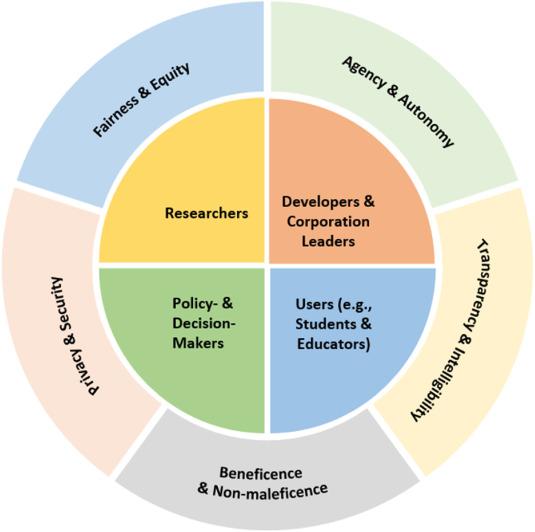
key Ethical Concerns Include:
- Data Privacy and Security: AI systems often rely on large volumes of student data,including personal and academic details. Safeguarding this data against unauthorized access and misuse is paramount.
- Bias and Fairness: Machine learning algorithms can inadvertently perpetuate existing biases in student assessment or resource allocation, leading to unfair treatment of certain individuals or groups.
- Transparency and Explainability: The “black box” nature of some AI systems makes it tough for educators and students to understand decision-making processes,raising concerns about accountability and trust.
- accountability: When AI-driven recommendations or decisions adversely affect learners, it is essential to clearly establish who is responsible: educators, developers, or the technology itself.
- Impact on Student autonomy: Over-reliance on AI could limit students’ ability to make autonomous decisions and stifle critical thinking skills.
Benefits of AI in Education: Driving Innovation
Despite the ethical challenges, the benefits of using AI in educational settings are meaningful:
- Personalized Learning: AI can customize educational content to fit individual learning styles, strengths, and weaknesses, improving student engagement and outcomes.
- Efficient Administrative Processes: Tasks like grading, attendance tracking, and scheduling can be automated, freeing up teachers to focus on instruction and mentorship.
- Early Identification of Learning Gaps: Predictive analytics powered by AI can definitely help educators identify students who may need additional support, enabling timely interventions.
- Inclusive Education: Adaptive technologies can assist students with disabilities, making learning more accessible than ever before.
- Innovative Teaching Tools: Intelligent tutoring systems, chatbots, and immersive learning platforms can create engaging, interactive educational environments.
Striking a Balance: Innovation vs. Responsibility
Balancing the benefits of AI in education with ethical responsibilities necessitates a collaborative approach. Here’s how stakeholders can navigate this complex terrain:
Best Practices for ethical AI in Education
- Develop Clear Ethical Guidelines: Schools, universities, and edtech companies should establish extensive policies outlining the ethical use of AI, including principles of fairness, privacy, and accountability.
- Engage Stakeholders: Meaningful involvement of students, educators, parents, and the wider community in the AI adoption process ensures diverse perspectives are considered.
- ensure Algorithm Transparency: Where possible, opt for AI tools that allow for explainable and auditable outcomes, enhancing user trust and understanding.
- Monitor for Bias: Regularly assess AI systems for unintended biases and take corrective action to promote equity and inclusiveness.
- Uphold Data Privacy: Implement robust cybersecurity measures, maintain transparency on data collection and usage, and seek informed consent from students and guardians.
- continuous Professional Development: Train educators on both the technical and ethical aspects of AI, empowering them to use these tools effectively and responsibly.
Case Studies: AI in the Classroom
1. Personalized Learning at Scale
A large school district in the United States adopted an AI-powered adaptive learning platform to support students in mathematics. By analyzing performance data, the system tailored lesson plans and practice exercises for each learner. Teachers reported significant improvements in student confidence and performance, but the project also sparked community discussion about data privacy in education and the limits of algorithmic decision-making.
2. Bias in Automated Essay Scoring
An automated essay scoring tool was found to consistently award lower scores to students who used non-standard grammar or dialects. Investigation revealed that the underlying training data was not diverse enough, illustrating the importance of unbiased datasets. the school worked with technologists to refine the algorithm, resulting in fairer assessments and a renewed focus on ethics in educational technology.
Practical Tips for Educators and Edtech Developers
Successfully navigating the ethics of AI in education involves proactive steps:
- Review AI Tools Thoroughly: Before implementation, assess AI solutions for transparency, explainability, and alignment with institutional values.
- Maintain Human Oversight: AI should support, not replace, the critical role of teachers and administrators in students’ academic journeys.
- Foster Digital Literacy: Educate students about how AI works,its benefits,and its limitations; encourage critical thinking when interacting with AI tools.
- Monitor Outcomes: Collect feedback and monitor for unintended consequences or disparities, making adjustments as needed.
- Establish Clear Consent Processes: Ensure that all data collection and use is communicated transparently and involves appropriate consent,particularly when minors are involved.
Conclusion: Embracing Innovation Responsibly
The integration of artificial intelligence in education presents both exciting opportunities and serious responsibilities. While AI’s ability to revolutionize learning environments is undeniable, ensuring ethically sound practices protects the rights and interests of all stakeholders in the educational community. By prioritizing transparency, equity, and accountability, educators and developers can leverage AI’s potential while minimizing risks.
Continuous dialogue, ongoing research, and community engagement will be key in shaping the future of ethical AI in education.Together, we can foster an environment where innovation thrives—without compromising responsibility.