
Navigating the Ethical Considerations of AI in Education: Benefits, Risks, and Best Practices
Artificial intelligence (AI) is reshaping classrooms and learning environments worldwide, unlocking new possibilities for educators and students alike. From adaptive learning platforms to real-time language translation, AI-powered solutions are helping personalize education and bridge accessibility gaps. However, as AI becomes increasingly integrated into education, it also brings a range of ethical considerations that cannot be overlooked. Understanding the benefits, risks, and best practices for using AI in education is crucial for educators, administrators, policymakers, and parents—ensuring that AI is harnessed responsibly and equitably.In this complete guide, we’ll navigate the ethical landscape of AI in education, identify key concerns, and provide strategies for making informed decisions.
Benefits of AI in Education
AI applications in education have gained momentum due to their ability to transform learning and teaching processes. Here are some of the major benefits artificial intelligence offers in the educational domain:
- Personalized Learning: AI-powered platforms adapt learning materials to individual students’ needs, adjusting the pace and difficulty based on real-time performance data.
- Intelligent Tutoring: Virtual tutors can provide instant feedback and 24/7 assistance, supporting students outside customary classroom hours.
- Enhanced Accessibility: Speech-to-text, real-time translation, and other AI tools help break down language and disability barriers, making education more inclusive.
- Administrative Automation: AI streamlines grading, enrollment, and scheduling, freeing up educators’ time for high-value teaching activities.
- Data-Driven Insights: AI analytics can identify learning gaps, predict student outcomes, and help institutions make informed decisions for curriculum and resource allocation.
Ethical challenges and Risks of AI in Education
While the potential of AI in education is undeniable, it introduces multifaceted ethical dilemmas. recognizing and addressing these risks is essential to ensure fair, safe, and ethical use of AI in learning environments.
1. Data Privacy and Security
-
AI-driven systems rely on large volumes of student data, heightening concerns over data breaches and misuse.
-
Unclear data ownership and consent practices may compromise students’ rights.
2.Bias and Discrimination
-
AI algorithms can reinforce existing biases in educational content or assessment, possibly disadvantaging certain student groups.
-
Lack of clarity makes it tough to identify or correct biased decision-making.
3. Lack of Transparency and Explainability
-
black-box AI models can make decisions without clear explanations, making it hard for educators or students to understand or challenge outcomes.
-
This opacity can undermine trust in AI-assisted educational systems.
4. Teacher and Student Autonomy
-
Over-reliance on AI tools may erode educators’ and students’ autonomy and professional judgment.
-
It may inadvertently shift decision-making power from humans to algorithms.
5.Unequal Access and the Digital Divide
-
Schools with fewer resources might struggle to implement advanced AI tools, widening gaps in educational quality between wealthier and less affluent districts.
Principles for Responsible AI Use in education
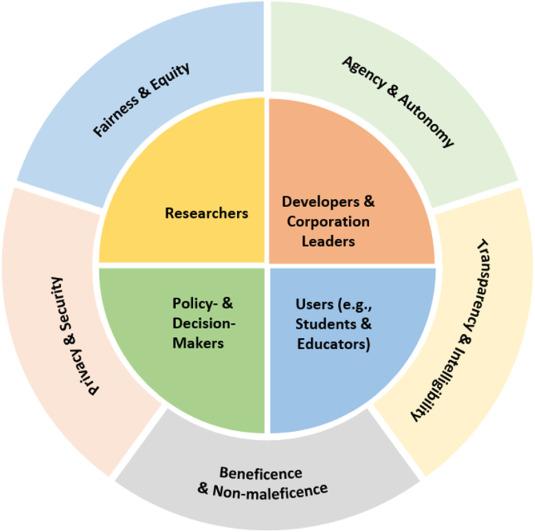
To ethically integrate AI in education, a set of guiding principles can definitely help institutions and developers navigate challenges and promote student well-being.
- Transparency: Ensure AI systems and processes are explainable and understandable to users.
- Equity: Promote fairness and address potential biases in AI-driven educational content and assessments.
- Privacy: Safeguard student data with robust security measures and clear consent protocols.
- Accountability: Maintain human oversight,enabling teachers and administrators to audit,adjust,or override AI decisions.
- Inclusivity: Design AI solutions that are accessible to all students, irrespective of their backgrounds or abilities.
- Continuous evaluation: Regularly assess AI tools’ impacts on learning outcomes,privacy,and equity.
Best Practices for Educators and Educational Institutions
Implementing AI in education responsibly requires practical strategies tailored to local contexts. Here are actionable best practices educators and institutions can follow:
- Conduct Ethical Impact Assessments: before rolling out AI systems, evaluate their ethical risks and potential impacts on students and staff.
- Prioritize Professional Development: Train educators to understand AI tools’ capabilities and limitations, empowering them to use these technologies effectively and ethically.
- Engage Stakeholders: Include students,parents,and community members in AI-related decision-making to ensure diverse perspectives are considered.
- Adopt Clear AI policies: Develop and display clear policies on data usage, consent, and algorithmic decision-making.
- Monitor Outcomes & Address Bias: Regularly review AI-generated outcomes for unintended biases or disparities, and take corrective action as necessary.
- Support Digital Inclusion: Provide resources and training to bridge the digital divide and ensure equal access to AI-powered learning tools.
Case Studies: AI in the Classroom
Examining real-world implementations of AI in educational settings helps illustrate both the promise and the pitfalls of this rapidly evolving technology.
case study 1: AI-Powered Adaptive Learning in a US High School
A leading US high school introduced an adaptive learning platform to personalize math instruction. the system analyzed students’ real-time responses, adapting lesson difficulty accordingly. Educators reported higher engagement and improved test scores. Though, initial reviews revealed biased instructional content that underestimated the abilities of English language learners—a problem later addressed with more inclusive data sets and teacher oversight.
Case Study 2: Virtual AI Tutors in Higher education
A European university launched AI-powered virtual tutoring assistants for computer science students, providing instant feedback and study guidance 24/7. Surveys showed increased satisfaction and reduced faculty workload.Nevertheless, some students were concerned about data privacy and the lack of transparency surrounding how their progress was monitored.
The Future of AI and Ethics in Education
As AI technology continues to advance,so will its role in reshaping education systems. Ongoing collaboration between technologists, educators, policy makers, and students is vital to develop AI solutions that center ethics, transparency, and equity. Emerging trends such as explainable AI (XAI), open-source educational data, and globally recognized frameworks for responsible AI use are likely to lead the way towards a more inclusive and fair educational future.
Simultaneously occurring, continued research, robust regulatory guidelines, and active stakeholder engagement will remain essential to ensuring AI enhances—not undermines—the educational experience for all learners.
Conclusion
Navigating the ethical considerations of AI in education is a shared duty. When integrated thoughtfully and guided by clear principles and best practices, artificial intelligence can help create more personalized, accessible, and efficient learning environments. However, we must remain vigilant about protecting students’ rights, fostering equity, and maintaining transparency in all AI-related initiatives. By proactively addressing the benefits, risks, and ethical challenges, educators and institutions can unlock the full potential of AI—empowering students to succeed in the digital age while upholding the highest ethical standards.
Interested in learning more about AI in education ethics? Stay updated with our latest articles, or reach out to our team for expert guidance on implementing AI responsibly within your institution!