
Navigating the Ethical Considerations of AI in Education: Ensuring Responsible and Fair Learning
Explore the ethical challenges and responsibilities of integrating artificial intelligence (AI) in modern educational environments, and discover actionable strategies to ensure equity, privacy, and integrity in AI-powered learning.
introduction
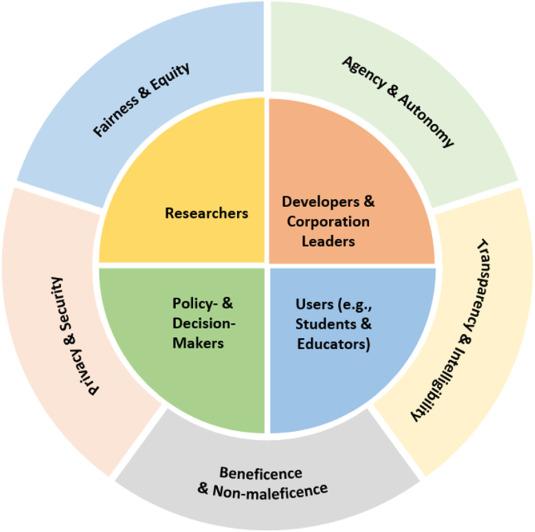
Artificial intelligence (AI) is revolutionizing the educational landscape—from smart tutoring systems and adaptive assessments to AI-driven administrative tools and personalized learning experiences. while the advantages are numerous,integrating AI into education also brings with it a host of ethical considerations. Ensuring responsible and fair use of AI in education is paramount to preserving trust, equity, and effectiveness throughout the learning ecosystem. In this article, we will delve into the ethical challenges, guiding principles, and practical strategies for leveraging AI in education responsibly and fairly.
Why Are Ethical Considerations in AI for Education Vital?
The rapid deployment of AI technology in classrooms and online learning environments raises critical questions:
- Equity and Fairness: Are all students receiving equal opportunities and unbiased treatment?
- Privacy Protection: Is student data being collected, stored, and used responsibly?
- Clarity: Do students, parents, and educators understand how AI systems make decisions?
- Accountability: Who is responsible when AI-powered decisions negatively impact learners?
Addressing these core issues is vital to ensuring that AI in education is not onyl effective but also equitable and trustworthy.
Ethical Challenges of AI in education
The deployment of AI technology in education isn’t without its risks. Here are several key ethical dilemmas educators, developers, and policymakers must navigate:
1. Data Privacy and Security
AI-powered platforms often require vast amounts of student data for personalization and improvement. This raises concerns such as:
- Compliance with data protection regulations (e.g., GDPR, FERPA)
- Ensuring informed consent from students and guardians
- Preventing data breaches and unauthorized use of sensitive details
2. Algorithmic Bias and Fairness
AI systems can inadvertently perpetuate existing biases in educational material, assessment, and student support. Common issues include:
- Biased data sets leading to unequal outcomes for marginalized student groups
- Discrepancies in resource allocation or grading algorithms
- Lack of contextual understanding for unique student needs
3.transparency and Explainability
Complex AI models, such as neural networks, are frequently enough “black boxes.” Stakeholders may not fully comprehend how decisions are made, making it arduous to:
- Build trust with students, parents, and educators
- Identify and address errors or biases in AI decision-making
4. Over-Reliance on Technology
While AI tools can enhance learning,over-reliance might undermine critical skills and human involvement:
- Potential reduction in human mentorship and emotional support
- Risk of standardized, one-size-fits-all learning experiences
Benefits of AI When Used Responsibly in Education
Despite its ethical hurdles, AI has the potential to create transformative benefits when implemented responsibly:
- Personalized learning paths that adapt to individual strengths and weaknesses
- Timely feedback on performance, accelerating student progress
- Resource optimization for teachers and administrators
- Early identification of students at risk or in need of additional support
- Enhanced accessibility for learners with special needs
Ensuring ethical AI adoption amplifies these positive impacts for all learners.
Principles for Responsible and Fair AI in Education
To leverage AI effectively while upholding integrity and fairness, consider these guiding principles:
- Transparency: Clearly communicate how AI algorithms function, what data they use, and how decisions are made.
- Fairness: Routinely audit and mitigate algorithmic bias to prevent discrimination.
- Privacy by Design: Prioritize data minimization and user control in system architectures.
- Accountability: Define clear lines of responsibility among developers, educators, and technology vendors.
- Stakeholder Involvement: Involve students,parents,and educators in decision-making processes regarding AI use.
- Continuous Evaluation: Regularly assess and update AI tools for ethical compliance and effectiveness.
Practical Tips for Navigating Ethical AI in Education
-
Conduct Regular Bias Audits:
Analyze data sets and AI outputs to uncover unintended biases, especially those affecting underrepresented student groups.
-
Educate Stakeholders:
Provide clear training and resources so teachers, students, and parents understand AI’s capabilities and limitations.
-
Implement Consent Mechanisms:
Obtain explicit consent before collecting or processing student data, and make opt-out options readily available.
-
Choose Ethical Vendors:
Partner with edtech providers who adhere to robust ethical standards and transparency in their AI implementations.
-
Promote Digital Literacy:
Embed AI literacy in the curriculum, empowering students to critically assess and interact with AI tools.
-
Ensure Human Oversight:
Maintain educator involvement in all critical decisions, especially those influencing grades, advancement, or disciplinary actions.
Case Studies: Real-World Examples of Ethical AI in Education
1. Automated Essay Grading Systems
Some school districts have adopted AI-powered grading tools to reduce teacher workload and speed up assessment. However, studies found these systems sometimes marked essays from non-native speakers or certain demographic groups unfairly, spurring advancement teams to introduce bias-detection modules and manual review checkpoints—demonstrating the importance of ongoing oversight and iteration.
2. Adaptive Learning Platforms
Universities leveraging adaptive learning platforms report increased engagement and improved learning outcomes. By collecting feedback from students and monitoring for inequitable patterns, these institutions have introduced “fairness dashboards” for educators to spot and address discrepancies, ensuring all students have access to appropriate resources and support.
Personal insights: A Teacher’s Perspective
“When our district introduced AI-based personalized learning software, I was initially concerned about data privacy and losing the human touch in teaching. However, with transparency policies and regular workshops, both staff and students now feel more confident using these tools. We routinely discuss AI decisions in class, turning potential black-box moments into opportunities for dialog and digital citizenship.” — Ms. J. Rivera, High School Teacher
Conclusion: Building Trustworthy AI in Education
Artificial intelligence holds immense promise for enhancing educational outcomes—but only if deployed with careful ethical consideration. By prioritizing responsible and fair AI in education, institutions can foster trust, prioritize student well-being, and unlock technology’s full potential for learning. responsible AI use is an ongoing journey, not a one-time milestone. With vigilance, collaboration, and a commitment to ethical standards, we can ensure that AI serves as a powerful tool for positive, equitable, and lasting change in education.