
Navigating the Ethical Considerations of AI in Education: Key Challenges and Best Practices
Artificial Intelligence (AI) is rapidly transforming the landscape of education, from adaptive learning platforms to personalized assessments and automated administrative processes. While these advancements hold immense promise, they also introduce complex ethical considerations that educators, policymakers, and technology developers must thoughtfully address. In this article, we delve into the key challenges associated with the ethical use of AI in education and outline best practices to ensure technology serves students, teachers, and society responsibly.
Why Ethical Considerations Matter in AI-Powered Education
As AI becomes increasingly integrated into classrooms and educational institutions, its influence over learning pathways, assessment, and even student wellbeing grows. Ethical considerations ensure that the deployment of AI respects student rights, promotes equity, and upholds the core values of education. Ignoring these concerns can lead to unintended consequences, including bias in grading, invasions of privacy, and insurmountable disadvantages for marginalized groups.
Key Ethical Challenges of AI in Education
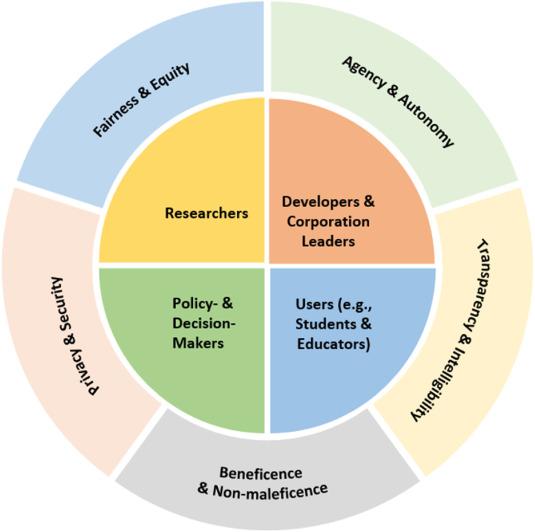
- Algorithmic Bias and Fairness: AI systems can inadvertently perpetuate or amplify existing biases present in their training data. This can affect admissions decisions, adaptive testing, and resource allocation, unfairly disadvantaging certain student populations.
- Data Privacy and Protection: The vast amounts of student data required to fuel AI applications make educational institutions prime targets for data breaches. Student privacy laws such as FERPA and GDPR highlight the importance of securing sensitive data.
- Transparency and Explainability: Many AI systems, especially those using deep learning, operate as black boxes. This lack of transparency can undermine trust and make it difficult for educators and students to understand or contest AI-driven decisions.
- Autonomy and Human Oversight: Relying too heavily on AI for critical decisions may undermine the role of educators and erode student agency. Ensuring a balance between automation and human judgement is critical.
- Accessibility and Equity: not all schools or students have equal access to the latest AI technologies. This digital divide can exacerbate existing inequalities and impede broader educational goals.
- Intellectual Property and Consent: The use of student work to train AI models raises questions about ownership, consent, and appropriate use.
Benefits and Potential of AI in Education
Despite these challenges, the ethical integration of AI in education can unlock numerous benefits:
- Personalized learning experiences tailored to individual student needs
- Efficient grading and administrative workflows, freeing up educators’ time for meaningful interactions
- early identification of learning gaps or at-risk students
- Accessible learning tools for students with disabilities
- Enhanced engagement through interactive, adaptive content
Maximizing these advantages while safeguarding ethical values is the key to prosperous AI implementation in education.
Best Practices for Addressing Ethical challenges in Educational AI
1. Adopt Transparent and Explainable AI Models
- Prioritize AI tools that offer clear explanations for their decisions or recommendations.
- Provide documentation and training so educators and students understand how AI tools analyze data and arrive at conclusions.
2. Implement Robust Data Privacy Policies
- Comply with local and international data protection regulations (e.g., GDPR, FERPA).
- Obtain explicit consent from students and guardians before collecting or using data.
- limit data retention and access to only what is essential for educational purposes.
3. Ensure Fairness and minimize Bias
- Regularly audit AI systems for biased outcomes and address detected issues promptly.
- Use diverse and representative training data to avoid reinforcing stereotypes or exclusion.
- Test AI tools across different student demographics.
4. Maintain Human Oversight and Decision-Making
- Position AI as an assistive tool, not a replacement for educators.
- Establish clear guidelines for when humans should review or override AI-generated outcomes.
5. Promote Equity and Accessibility
- Invest in digital infrastructure and support for underserved communities.
- Design AI-driven platforms with accessibility features for learners with disabilities.
- Provide educators with the training they need to effectively use AI tools in diverse classroom settings.
Real-World Examples: Navigating AI Ethics in Action
Case Study: Bias in automated Grading
In 2020, several universities piloted automated essay scoring systems to streamline grading.However,students and educators quickly noticed that the AI consistently assigned lower scores to essays using vernacular English or non-standard grammar,disproportionately affecting students from certain backgrounds. The resulting backlash led to a comprehensive review, including more representative training data and the implementation of human review for contested grades. This case illustrates the importance of bias monitoring and rapid response mechanisms.
Case Study: Privacy-Conscious Learning Analytics
A leading European university introduced an AI-powered learning analytics platform to identify students at risk of dropping out. To comply with GDPR and maintain trust, the university used pseudonymized data, gave students control over what personal data was analyzed, and provided transparent reports on how analytics were used. This approach fostered a culture of privacy, accountability, and informed consent.
Expert Insights: What Educators and Developers Are Saying
Dr. Elaine Peters, Educational Technologist:
“Transparency and inclusivity are non-negotiable. Teachers and students must have a voice in how AI decisions are made and the ability to challenge them when necessary.”
James Liu, AI Software Developer:
“regular audits, diverse data teams, and ethical checklists are the bedrock of building trust in educational AI.”
Practical Tips for Educators and EdTech Teams
- Stay informed: Engage with current research and policy updates on AI ethics in education.
- Engage stakeholders: open lines of communication with students, parents, and teachers about AI tool usage and their implications.
- Document decision-making: Keep records of how data is used and how decisions impacting students are made.
- Foster digital literacy: Teach students about AI’s capabilities, limitations, and ethical issues as part of your curriculum.
- Evaluate vendors carefully: assess EdTech providers’ privacy and ethics policies before adopting tools.
- Pilot before scale: Run small, supervised pilots to identify potential pitfalls before full-scale deployment.
Conclusion: Building an Ethical Future for AI in Education
The integration of AI in education is both an exciting and challenging journey. By thoughtfully navigating the ethical considerations of AI—from bias and privacy to transparency and inclusion—educational institutions can harness the immense potential of this technology while upholding the values that underpin great teaching and learning. Commitment to continuous evaluation, stakeholder input, and ethical best practices will ensure that AI remains an empowering tool for educators and students alike, shaping a future where technology serves the greater good.