
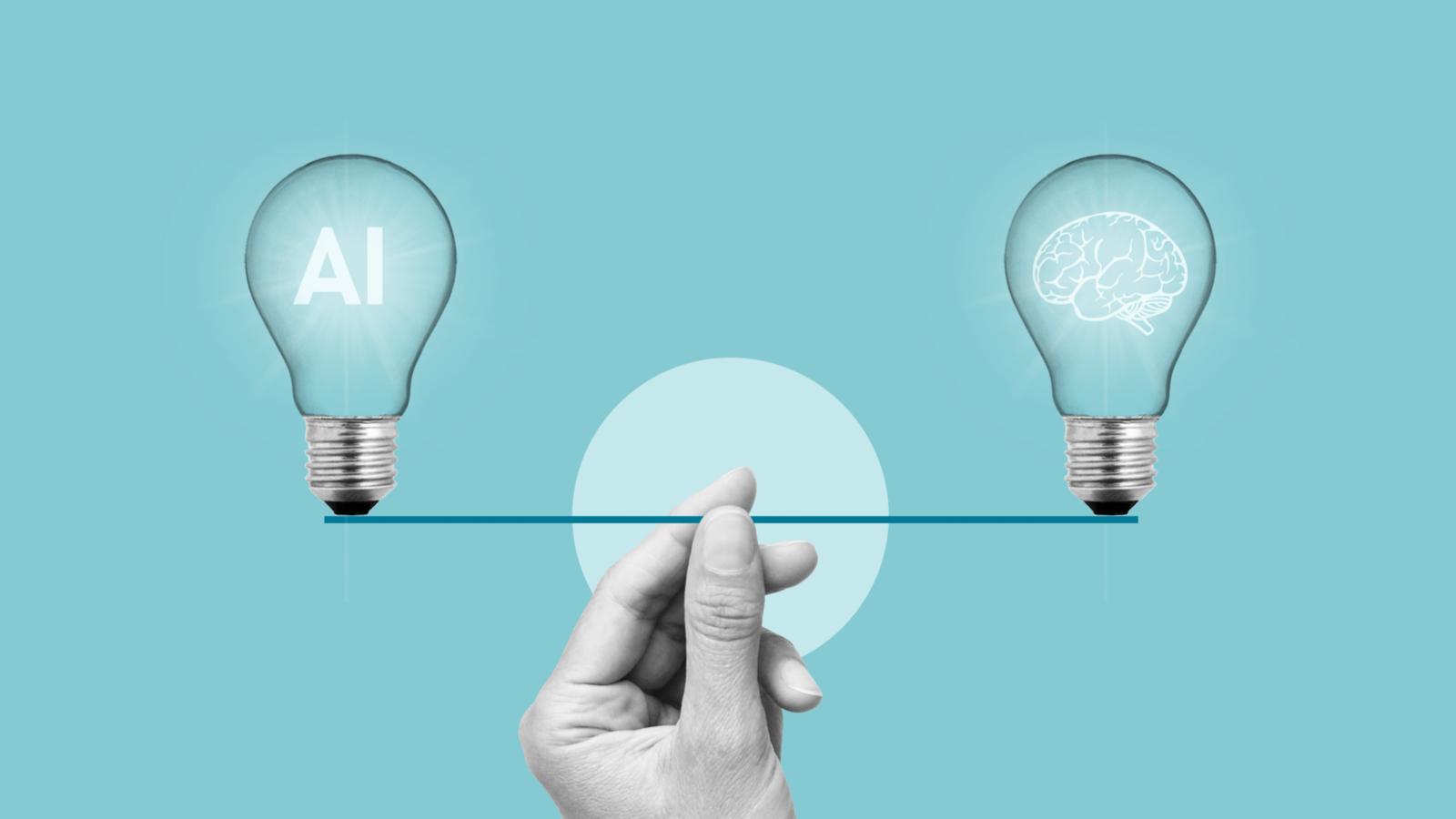
Navigating the Ethical Considerations of AI in Education: Key Challenges and Solutions
Artificial Intelligence (AI) is reshaping the landscape of education, offering customized learning experiences, automating administrative tasks, and optimizing educational outcomes.Though, alongside these innovations come ethical considerations that educators, policymakers, and technology developers must navigate. This article explores the most critical ethical challenges of AI in education and provides actionable solutions to ensure that the integration of AI remains equitable, clear, and beneficial for all learners.
Table of Contents
- Introduction: The Rise of AI in Education
- key Ethical Challenges of AI in Education
- Practical Solutions and Best Practices
- Benefits of Ethical AI Implementation
- Case Studies: Ethical AI in Action
- Conclusion: Charting an ethical Course
Introduction: The Rise of AI in Education
AI tools, from adaptive learning platforms to automated grading and smart tutoring systems, are becoming ubiquitous in modern classrooms and online learning environments.By leveraging big data and machine learning, AI can identify knowledge gaps, personalize content, and empower educators. Still, the deployment of AI in education is not without risks—raising questions about data privacy, algorithmic bias, transparency, and the human role in learning.
Key Ethical Challenges of AI in Education
Instituting ethical guidelines for AI in education is vital to prevent potential harm. Here are the most pressing challenges:
1. Data Privacy and Security
- AI systems depend on vast amounts of student data, including personal information, learning patterns, and even biometric data.
- Risks involve unauthorized access, data breaches, and misuse of sensitive information.
- Inadequate data protection could undermine trust in educational technology.
2. Algorithmic Bias and Fairness
- AI models may inadvertently perpetuate or amplify social biases based on race, gender, socio-economic status, or ability.
- Biased algorithms can lead to unfair assessments, limited access to resources, or discrimination in automated grading or admissions.
3. Transparency and Accountability
- Manny AI decision-making processes are “black boxes,” making it difficult for educators and students to understand how outcomes are steadfast.
- Lack of clarity leads to challenges in contesting or auditing automated decisions.
- Unclear division of obligation if AI decisions negatively affect student outcomes.
4. Human Agency and Teacher Roles
- Over-reliance on AI may erode teacher autonomy and the importance of human judgment.
- There’s a risk of diminishing critical thinking and creativity if AI dictates learning paths without human intervention.
5. Accessibility and Equity
- Unequal access to AI-powered tools may widen the digital divide, favoring students with more resources.
- Students with disabilities or from marginalized communities may encounter additional barriers if AI solutions are not inclusively designed.
Practical Solutions and Best Practices
Mitigating the ethical risks of AI in education requires a multifaceted approach. Here are practical strategies for educators,administrators,and developers:
1. ensure Robust Data Protection
- Adopt strong encryption and anonymization protocols when storing and processing student data.
- Comply with international data protection standards (such as GDPR, FERPA).
- Implement transparent data collection policies and obtain informed consent from students and parents.
2.Audit Algorithms for Bias
- Regularly assess AI algorithms for evidence of discriminatory patterns or unfair outcomes.
- Incorporate diverse datasets during development to minimize biases.
- Engage external reviewers or ethics boards to oversee AI decision-making processes.
3.Promote Transparency and Explainability
- Use interpretable AI models and provide plain-language explanations for automated decisions.
- Offer clear documentation detailing how AI systems reach their conclusions.
- Allow students and educators to appeal or provide feedback on AI outcomes.
4. Maintain Human Oversight
- Position AI as an assistive tool rather than a replacement for educators.
- Encourage teachers to use AI insights as one factor in decision-making, not the sole authority.
- Regularly train educators to understand AI limitations, identify errors, and intervene when necessary.
5. Design for Accessibility and Inclusivity
- Co-create AI educational tools with input from diverse communities, including students with disabilities.
- Provide multilingual and adaptive interfaces to accommodate varied learning needs.
- Pilot technology in under-resourced settings to ensure it effectively works for all learners.
Benefits of Ethical AI Implementation
When AI in education is implemented ethically and responsibly, it unlocks transformative benefits:
- Personalized Learning: Tailored instructional content can foster engagement and boost achievement for every student.
- Efficient Management: Automation of routine tasks lets educators focus on teaching and mentorship.
- Data-Driven Insights: Real-time feedback and analytics empower teachers to make evidence-based interventions.
- Inclusive Education: Adaptive technologies can accommodate varying abilities and learning styles.
- Global Learning Access: AI-powered platforms help lower barriers to quality education for students worldwide.
Case Studies: Ethical AI in action
Several pioneering institutions and companies are setting a high standard for ethical AI in education.
Case Study 1: OpenAI’s ChatGPT in Classrooms
- Schools piloting ChatGPT have implemented clear guidelines about data privacy and appropriate usage.
- Teachers receive training to supervise AI-powered conversations and intervene to correct misinformation.
Case Study 2: Inclusive design at Microsoft Education
- Microsoft’s Learning Tools integrate accessibility features like text-to-speech, translation, and font customization.
- User feedback loops help continually refine algorithms to minimize bias and enhance usability for diverse learners.
Case Study 3: “Algorithmic Fairness Audits” in Higher Education
- Several universities conduct regular audits of AI-based admissions and grading systems to detect inequities or unintended discrimination.
- Transparency reports are published for accountability to students and the wider public.
First-Hand Educator Experiences
“AI grading tools have saved me hours each week, but I always double-check flagged assignments for context and nuance. It’s crucial that we, as teachers, remain involved and ensure fairness.” — High School Teacher, New York City
“Introducing AI-driven personalized learning plans helped my students who struggled with customary pacing, but setting up strong privacy protections was my top priority.” — Grade School Principal, London
Conclusion: Charting an Ethical Course for AI in Education
AI offers unprecedented opportunities to enhance education—but these benefits can only be fully realized when ethical considerations are placed at the forefront. By prioritizing data privacy,addressing algorithmic bias,ensuring transparency,maintaining human agency,and fostering equity,educational stakeholders can build a future where AI empowers all students and educators. Ongoing collaboration between technologists,educators,policymakers,and students is essential to navigate the ethical landscape of AI in education successfully.
Embracing both innovation and responsibility will ensure that AI enriches the educational experience—not just for some,but for everyone.