
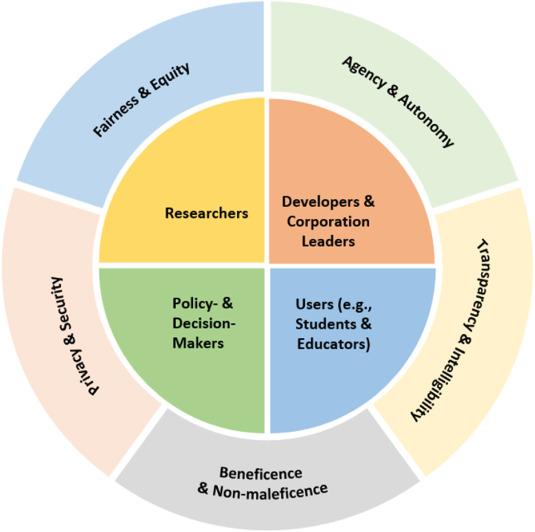
Navigating the Ethical Considerations of AI in Education: Key Issues and Best Practices
Artificial Intelligence (AI) is revolutionizing education by empowering personalized learning, accelerating administrative efficiency, and transforming classroom experiences. However, embracing AI in education also brings forward complex and critical questions about student privacy, bias, equity, and transparency. With AI tools now playing an integral role in classrooms and institutions worldwide, navigating the ethical considerations of AI in education has never been more notable. This article delves into key ethical issues, presents case studies, and provides actionable best practices for implementing AI responsibly in learning environments.
why Ethical Considerations of AI in Education Matter
The integration of AI technologies into education systems can substantially improve learning outcomes and empower teachers. Yet, it also poses challenges such as the risk of reinforcing biases, compromising student privacy, and exacerbating educational inequalities. Educational institutions must proactively address these concerns to foster a trustworthy and inclusive learning atmosphere. Ethical AI use in education is essential for:
- Protecting students’ rights and data privacy
- Ensuring fair access and opportunities
- Fostering trust among educators,students,and parents
- Complying with legal and regulatory frameworks
Key Ethical Issues of AI in education
1. student Data Privacy and Security
AI-driven educational platforms collect vast amounts of data, from academic performance to behavioral analytics. This introduces critical privacy and security challenges,including:
- Unintended exposure or misuse of sensitive student information
- Inadequate consent mechanisms for data collection and usage
- Third-party data sharing without transparency
2. Algorithmic Bias and Fairness
AI systems can inadvertently reflect or amplify existing biases in training data, possibly leading to discrimination or unequal learning outcomes for marginalized groups. Notable issues include:
- Unintentional bias in grading or assessment platforms
- Cultural or linguistic bias in adaptive learning tools
- Disparities in access for students with disabilities
3. Transparency and Explainability
Many AI applications in education operate as “black boxes,” making it difficult for educators and students to understand how decisions are made. This can undermine trust and impede meaningful feedback.
4.Equity and Access
Not all students or schools have equal access to AI-powered tools due to varying levels of funding and technical infrastructure, widening the digital divide and reinforcing socio-economic disparities.
- Differences in device and internet access
- Lack of support for non-native language speakers
- Resource gaps between urban and rural schools
5. Accountability and Human Oversight
When AI makes or informs decisions that affect students’ educational journeys, the question of accountability arises. Who is responsible when a system makes an error—developers, educators, or institutions?
Benefits of Ethical AI in Education
Addressing ethical considerations leads to numerous benefits:
Increased student trust, improved learning outcomes, enhanced reputation for educational institutions, and a more equitable learning habitat.
- Personalized Learning: ethically managed AI can adapt to individual student needs without compromising privacy.
- Efficiency: Streamlining administrative tasks frees up educators’ time for direct instruction.
- Inclusivity: Well-designed AI can offer support for diverse learning styles and special needs.
Best Practices for Navigating Ethical AI Implementation in Education
1. Prioritize Student Privacy
- Comply with regulations like FERPA, GDPR, and COPPA where applicable
- Establish transparent data collection and consent processes
- Minimize collection of personally identifiable information (PII)
- Encrypt sensitive data and employ stringent data security measures
2. Regularly Audit AI Systems for Bias
- Use diverse training datasets representing all demographic groups
- engage independant third parties to review AI system outputs regularly
- Solicit feedback from users (students, teachers, parents) to identify unintentional bias
3. Enhance Transparency and Explainability
- Choose AI solutions that provide clear, understandable rationales for outputs and decisions
- Train educators on how AI tools function, limitations, and how to interpret their recommendations
4. Ensure Equity and Accessibility
- Invest in technical infrastructure for all schools, especially under-resourced communities
- Design AI systems that are accessible to students with disabilities
- Provide support in multiple languages and formats
5. Maintain Human Oversight
- Keep educators in the loop—AI should assist, not replace, human decision-making
- Provide clear pathways for contesting and reviewing AI-generated decisions
- Develop robust accountability mechanisms for errors or misuse
Case Studies: Real-World AI Ethics in Practice
A large U.S.school district implemented AI-assisted essay scoring. After parent concerns, a third-party audit found the system disproportionately penalized students who used non-standard English, leading to adjustments in training datasets and increased transparency about scoring criteria.
In Scandinavia, public schools using AI-driven adaptive learning systems adopted strict, transparent privacy policies. Data access is limited, anonymized, and parents are informed about what information is collected and how it’s used, fostering parental trust and confidence.
Practical Tips for educators and Administrators
- Involve students and parents in decisions about new AI tools
- Provide ongoing professional advancement on AI ethics in education
- Establish a cross-functional ethics committee to review policies and tools
- Update AI systems and workflows regularly to address emerging issues
- Promote a culture of open dialog about technology’s risks and benefits
First-Hand Experience: Educator Insights
teachers implementing AI-powered platforms like smart tutoring systems and automated grading tools have reported increased efficiency and enhanced individualization. Though, they stress the importance of remaining vigilant about ethical pitfalls.One teacher shared:
“AI entirely changed how I address different learning levels in one classroom, but it’s vital that I always check the recommendations for fairness and accuracy. I’ve learned to use these tools as guides, not as a replacement for my professional judgment.”
Conclusion: Charting an Ethical Path Forward
As AI becomes further entwined with the fabric of education, schools and educators must prioritize ethical considerations at each stage of adoption and implementation. By understanding the ethical concerns of AI in education—and by championing transparency, fair access, and human oversight—educational communities can unlock the benefits of AI while protecting students’ rights and building an equitable future for all learners.
The journey towards responsible AI in education is ongoing, requiring collaboration, vigilance, and commitment to best ethical practices. With informed strategies and open dialogue, we can ensure that AI drives positive, transformative change in classrooms across the globe.