
Navigating the Ethical Considerations of AI in Education: Key issues and Future Impacts
Artificial Intelligence is reshaping the landscape of education. From personalized learning platforms to automated assessments, AI tools are becoming pivotal in classrooms across the globe. However, with these advancements come meaningful ethical challenges.In this complete guide, we’ll delve into the ethical considerations of AI in education, highlights key issues, real-world examples, and practical strategies to ensure responsible use, while also pondering future impacts for students, educators, and institutions.
Table of Contents
- Introduction: The Rise of AI in Education
- Key Ethical Issues of AI in Education
- real-World Examples and Case Studies
- Benefits and Practical Tips for Ethical AI Adoption
- Future Impacts of Ethical AI in Education
- Conclusion: Striking the Right Balance
Introduction: The Rise of AI in Education
AI-powered tools are now integrated into learning management systems, adaptive quizzes, language apps, and even plagiarism detection. While these innovations offer unprecedented opportunities for engaging learners and supporting teachers, they raise important questions:
- How is student data being used?
- Are AI-driven decisions transparent and fair?
- What should institutions prioritize when implementing artificial intelligence in schools and universities?
Understanding and navigating the ethical implications of AI in education is crucial for educators, policymakers, and technologists alike.
Key Ethical Issues of AI in Education
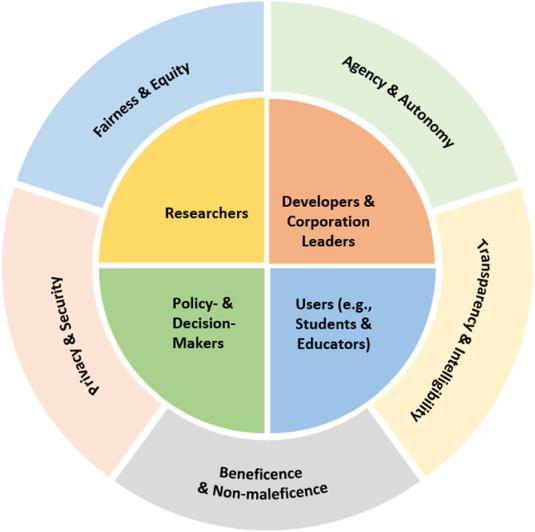
The ethical landscape of artificial intelligence in educational settings is complex. Here are the major areas that deserve attention:
1.Data Privacy and Security
- Student Data Collection: AI relies on large volumes of personal student data to tailor learning experiences. This raises concerns about how data is collected, stored, and shared.
- Data Breaches: Educational data frequently enough includes sensitive information. Institutions must ensure robust security protocols to mitigate unauthorized access and cyberattacks.
- Compliance: Adhering to laws such as GDPR, FERPA, and COPPA is essential when deploying AI in schools.
2.Algorithmic Bias and Fairness
- Unintentional Discrimination: AI systems trained on biased data can produce outcomes that disadvantage certain groups of students, possibly perpetuating existing inequalities.
- Openness and Accountability: educational institutions must ensure that AI decisions are explainable and can be challenged if necessary.
3.Informed Consent and Autonomy
- Understanding AI Tools: Teachers, students, and parents need to be informed about how AI operates and what data it accesses and processes.
- Opt-Out options: Stakeholders should have the ability to opt out of AI-based systems, especially for sensitive applications such as mental health monitoring.
4. Teacher and Student Roles
- Dehumanization Risk: Over-reliance on AI could diminish the vital human aspects of teaching, such as empathy and mentorship.
- Skill Development: both educators and learners must be equipped with critical digital literacy skills to interact with AI ethically.
5. Long-Term Societal Impacts
- Workforce Implications: Automation may change educational job roles, requiring ongoing professional development.
- Shaping Future Citizens: Schools play a crucial role in modeling ethical tech use that will impact society for generations.
Real-World Examples and Case Studies
Let’s look at how ethical considerations play out in practice:
Case Study 1: Predictive Analytics for Student Success
A university in the US implemented an AI-driven platform to identify at-risk students. While it improved graduation rates, concerns emerged about privacy and the potential stigmatization of flagged students. The institution responded by increasing transparency and offering opt-out mechanisms, setting a precedent for other institutions.
Case Study 2: Automated Essay Grading
Some schools use AI for essay assessment to provide timely feedback. However, certain language minorities noticed their scores were consistently lower due to unrecognized dialectal patterns. In response, developers revised the training datasets and included diverse linguistic inputs, highlighting the importance of continuous bias monitoring.
Personal experience: teachers as AI Collaborators
A high school teacher integrated an adaptive learning platform to customize math assignments. The teacher found the system helpful but still needed to manually review flagged student answers for fairness. By combining AI insights with their expertise, the teacher maintained equitable classroom experiences.
Benefits and Practical Tips for Ethical AI Adoption
Despite the ethical challenges, AI in education offers numerous advantages when used responsibly:
- Personalized Learning: Adaptive platforms meet students at their individual learning levels, boosting engagement.
- Efficient Administrative Processes: AI can automate grading, scheduling, and resource allocation, freeing up teacher time for more meaningful interactions.
- Data-Driven Insights: Real-time analytics can help educators identify struggling learners early.
Practical Tips for Teachers and Administrators:
- Ask Questions about Data Usage: When adopting AI tools, inquire about what data is collected, how it’s anonymized, and where it is indeed stored.
- Demand Transparency: Work with vendors who provide clear AI decision-making explanations.
- Prioritize Equity: Regularly audit AI systems for bias and adjust accordingly.
- Educate Stakeholders: Train teachers, students, and families on digital literacy and the ethical use of AI in the classroom.
- Establish Clear Consent Processes: Ensure that students and parents understand their rights and can opt out if desired.
Future Impacts of Ethical AI in Education
As AI becomes more advanced, its influence on education will expand. Here’s what ethical adopters should consider for the future:
1. Lifelong Learning and Reskilling
- AI-driven education will increasingly support adults seeking new skills or career changes. Ensuring access and fairness for all learners will remain essential.
2. Global Collaboration vs. Digital Divide
- While AI connects classrooms worldwide, it may also widen gaps between well-resourced and under-resourced schools. ethical frameworks must address accessibility and inclusivity.
3. evolution of Assessment
- Future AI may assess not just academic content, but also soft skills, creativity, or collaboration. These developments carry unique ethical challenges around subjectivity and transparency.
4. Continuous Policy Innovation
- Ethical AI in education will require adaptive, ongoing policy review, and multi-stakeholder collaboration to keep pace with technological developments.
Conclusion: Striking the Right Balance
The integration of artificial intelligence in education is a double-edged sword—offering transformative potential alongside serious ethical risks. By addressing concerns around privacy, bias, consent, and accountability, educational leaders can harness the benefits of AI while safeguarding student welfare and equity.
A future-focused and ethically guided approach—involving transparent policies, inclusive participation, robust training, and regular auditing—will ensure that AI enhances, rather than detracts from, the human-centered mission of education.
If you found this article helpful, consider sharing it with fellow educators and administrators.For more insights on ethical technology in education,subscribe to our newsletter.