
Navigating the Ethical Considerations of AI in Education: What Students and Educators Need to Know
Artificial intelligence (AI) is rapidly reshaping educational landscapes, promising improved learning experiences, personalized instruction, and greater access for all. As educators, students, and academic institutions embrace AI in education, understanding its potential and the ethical considerations associated with these innovations becomes critical. In this complete guide, we’ll explore the main ethical challenges of AI in education, share real-world case studies, highlight the benefits, and provide actionable tips to champion responsible AI adoption in the classroom.
Understanding AI in Education: Opportunities and Challenges
Key Benefits of AI in Education
- Personalized Learning: AI tools can assess students’ strengths and weaknesses, adjusting content to enhance understanding.
- Efficient Assessment: Automated grading systems reduce workload for educators and offer faster feedback to students.
- Accessibility: AI-powered technologies,such as speech-to-text and adaptive testing,help break down barriers for students with disabilities.
- Resource Optimization: Data-driven AI optimizes scheduling, resource allocation, and curriculum growth.
While these advantages are significant, they come with important ethical considerations that must be addressed to foster trust, equity, and obligation in educational settings.
Artificial intelligence ethics: Core Considerations for Education
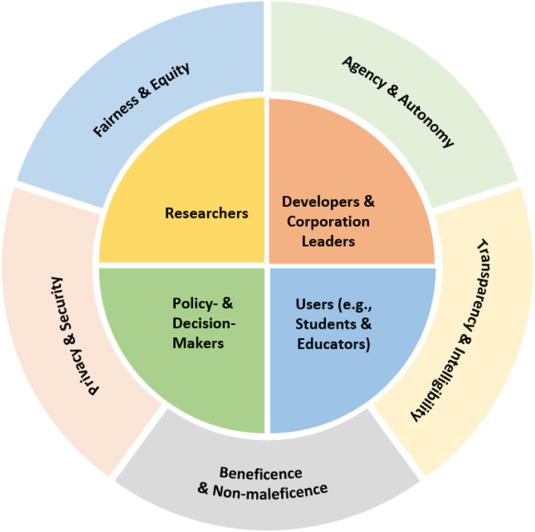
as learning environments evolve, educators and students must keep these key ethical considerations of AI in education at the forefront:
1. Data Privacy and Security
- Student data protection: AI tools often require access to large volumes of student data. Ensuring secure data storage and compliant handling (GDPR,FERPA,etc.) is paramount.
- clarity: Clear guidelines are needed to inform students and parents about what data is collected, how its used, and who can access it.
Tip: institutions should audit the privacy policies of AI vendors and implement robust cybersecurity measures.
2. Bias and Fairness in AI Algorithms
- Algorithmic bias: AI systems can unintentionally reinforce existing social biases due to skewed training data, impacting assessment and placement decisions.
- Equitable outcomes: Regularly reviewing and updating AI models ensures fair treatment across different student demographics.
Tip: Involve diverse stakeholders in the development and testing phases of educational AI tools.
3. Academic Integrity
- Plagiarism and cheating: AI-powered content generators and essay writers introduce challenges around original work and academic honesty.
- Monitoring and guidance: Establish clear policies and proactive educational campaigns about the ethical use of AI among students.
Tip: Encourage educators to integrate digital literacy and responsible AI usage into the curriculum.
4. Human Oversight and Autonomy
- Teacher-Student interaction: Over-reliance on AI may diminish face-to-face mentorship and critical learning moments.
- Decision-making: Maintain human oversight over key educational decisions, using AI as an assistive—not authoritative—tool.
5. Accessibility and Digital Divide
- Unequal access: disparities in technology availability can widen gaps in learning opportunities across socioeconomic backgrounds.
- Inclusive design: Developers should prioritize accessible AI interfaces and provide alternative resources for underprivileged students.
Case Studies: AI Implementation and Ethical Lessons
Case Study 1: Adaptive Learning platforms in High Schools
Several high schools across Europe implemented AI-based personalized learning platforms. While students scored higher on standardized tests,an independent review found that low-income students received less effective personalization due to incomplete data profiles. Corrective action included enriching the dataset and providing students equitable access to digital devices.
case Study 2: AI Grading at a U.S. university
A renowned university introduced automated essay grading. However, students from non-English backgrounds were systematically graded lower. After complaints, the institution recalibrated the AI model with more diverse samples and incorporated periodic human grading for quality assurance.
Case study 3: chatgpt and Digital Literacy Campaigns
With the emergence of AI-powered chatbots and essay tools like ChatGPT, one school district responded by launching a digital literacy campaign.This program educated students and teachers about distinguishing between ethical and unethical AI use, emphasizing critical thinking and creative engagement rather than mere AI-generated output.
Practical Tips: Safeguarding Ethics in AI Education
- For Educators:
- Attend AI ethics training and remain informed about emerging guidelines.
- Engage parents and students in open conversations about technology policies and expectations.
- Incorporate regular audits of classroom AI tools for bias and data safety.
- For Students:
- Learn about privacy rights and responsible use of AI-powered resources.
- Practice academic honesty with AI content generators and cite sources appropriately.
- Advocate for fair treatment and accessibility when using school-provided technology.
- For School Administrators:
- Select AI in education vendors with transparent policies and diverse data sources.
- Develop clear frameworks for ethical AI adoption, including feedback loops and appeal processes for AI decisions.
- Collaborate with local communities to bridge digital divides and ensure inclusive AI rollouts.
expert Perspectives: Firsthand Experience With AI Ethics
“As an educator, I’ve seen firsthand how AI diagnostic tools can support students with learning disabilities. However, the risks of over-standardization remind me to always put the student’s human context first, using technology as a support, not a replacement.”
— Mrs. Alicia M., Special Education teacher
“Transparency and student autonomy should be at the core of AI adoption in schools.AI is powerful,but it’s only as inclusive and ethical as the community guiding its use.”
— Dr. James R., EdTech researcher
Conclusion: Championing Responsible AI in Education
AI’s transformative potential in education is undeniable—but so too are its ethical complexities. By remaining vigilant about data privacy, algorithmic fairness, academic integrity, and accessibility, we can harness artificial intelligence in education to deliver richer, more equitable learning experiences. Through open dialog, ongoing training, and inclusive technology strategies, students and educators can collaboratively shape a future where AI elevates—not compromises—the highest ethical standards of learning.
Ready to make a positive impact? Commit to learning more, advocating for responsible practices, and sharing knowledge with your community.Together, we can navigate the ethical considerations of AI in education and ensure technology remains a powerful ally for lifelong learning.