
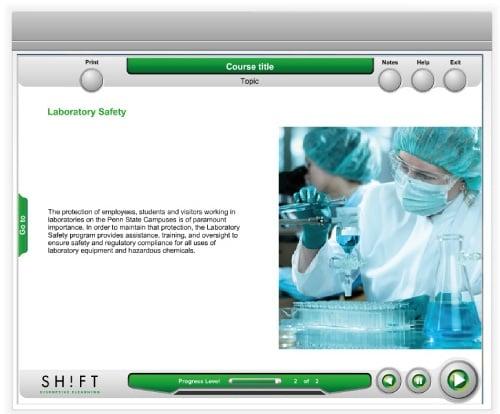
Online Course Designer: Essential Skills and Tips for Creating effective E-Learning
Are you passionate about shaping the future of education through technology? As the demand for digital learning solutions continues to grow, the role of an online course designer has become increasingly vital at universities, colleges, and schools. Whether your hoping to enter this rewarding field or looking to hone your instructional design abilities,mastering key skills and best practices can set you apart as an expert in educational technology.
Introduction: The Rise of Online Course Design in Education
The explosion of e-learning in recent years has transformed the way learners access knowledge and educators deliver instruction. As academic institutions invest in robust online platforms, there’s a high demand for skilled professionals capable of designing, developing, and optimizing digital courses. An online course designer plays a crucial role in ensuring that e-learning experiences are engaging, accessible, and effective for students across all educational levels.
What Does an Online Course Designer Do?
An online course designer, also known as an instructional designer or e-learning developer, is responsible for collaborating with subject matter experts, utilizing educational technology, and applying instructional design theory to create interactive digital content. The main goal? To promote meaningful learning experiences that drive student success and retention.
Primary Duties of an online Course Designer:
- Analyzing learner needs and goals
- Developing course objectives and learning outcomes
- Structuring and sequencing course content
- choosing appropriate media and technologies
- Designing assessments and interactive activities
- Testing and revising courses based on learner feedback
- Ensuring courses meet accessibility and quality standards
Essential Skills for an Online Course Designer
To stand out as a job seeker in education technology, you’ll need a blend of technical, pedagogical, and creative skills.Here’s a breakdown of the most in-demand skills for online course designers in universities, colleges, and schools:
1. Instructional Design Principles
- Understanding of learning theories (e.g.,Constructivism,Bloom’s Taxonomy,ADDIE model)
- Ability to write clear and measurable learning objectives
- Expertise in curriculum advancement and alignment
2. Familiarity With Learning Management Systems (LMS)
- Proficiency in platforms like Moodle, Canvas, Blackboard, or Google Classroom
- Ability to upload, organize, and manage online materials within an LMS
3. Visual and Multimedia Design
- Experience with tools like Articulate Storyline, Adobe Captivate, or Canva
- Knowledge of video editing, animation, and graphic design basics
- Creating engaging presentations, infographics, and interactive elements
4. Assessment and Evaluation
- Designing quizzes, assignments, and rubrics aligned with learning outcomes
- Analyzing data from assessments to improve course effectiveness
5. Communication and Collaboration
- Collaborating with faculty, IT staff, and subject experts
- Providing clear written and verbal instructions for students and instructors
6. Accessibility and Inclusivity
- Applying Web Content Accessibility Guidelines (WCAG) to make courses accessible to all learners
- Incorporating universal design for learning (UDL) principles
7. Technical Skills and Troubleshooting
- Basic understanding of HTML, CSS, and responsive web design
- Problem-solving and troubleshooting tech-related issues
Key Benefits of a Career as an Online Course Designer
Pursuing a role in education technology as an online course designer offers unique rewards and challenges.Here are a few reasons why this career path is both fulfilling and future-proof:
- Versatility: Opportunity for remote or hybrid work environments
- Creativity: Ability to innovate and experiment with new media and formats
- Impact: Directly contribute to student learning success and educational advancement
- Continuous Learning: Constant exposure to emerging edtech tools and instructional trends
- Career Growth: Pathways into roles such as eLearning manager, education technology specialist, or curriculum director
Practical Tips for Creating Effective Online Courses
Whether you’re new or experienced in online course design, applying these practical tips can help you create courses that drive engagement and success for learners in any academic setting:
1. Start With the Learner in Mind
- Conduct a needs analysis to identify your target audience’s backgrounds and learning preferences
- Use personas and learner journeys to empathize with students’ real-world challenges
2. Break Content Into Manageable Chunks
- Divide lessons into short,focused modules
- Use microlearning principles to reinforce key concepts without overwhelming students
3. Foster Engagement and Interactivity
- Incorporate discussion boards,quizzes,polls,and collaborative projects
- Leverage gamification and badges to boost motivation and participation
4. Prioritize Accessibility and Equity
- Provide captions and transcripts for videos
- Ensure all resources are compatible with screen readers
- Allow multiple pathways to demonstrate mastery
5. Utilize visuals and Multimedia Wisely
- Balance text with images, infographics, and videos for richer learning
- Maintain a clean, consistent design to avoid cognitive overload
6. Continuously Collect Feedback
- Deploy regular surveys and reflection activities to gauge learner satisfaction
- Iterate and update your courses based on constructive criticism and analytics
7. Stay Current With EdTech Trends
- Explore new tools like AI-driven adaptive learning or augmented reality
- Participate in online communities and professional development opportunities
How to Prepare for a Job in Online Course Design
If you aspire to land an online course designer job at a university,college,or school,these steps will set you on the path to success:
Build a Strong Portfolio
- Showcase completed courses,sample modules,or multimedia projects
- Highlight improvements or innovations you’ve implemented in past e-learning designs
earn Relevant Credentials
- Consider certifications such as Certified Professional in Learning and Performance (CPLP) or related instructional design programs
- Pursue coursework in education technology,pedagogy,or multimedia production
Gain Hands-On Experience
- Volunteer to assist instructors or offer freelance design services
- Develop mock courses or contribute to open educational resources (OER)
Conclusion: Harness Your Skills to Transform Digital Learning
Online course designers are at the heart of the evolving education technology landscape,shaping how students learn and succeed in virtual environments. By mastering a combination of instructional design, technology, and creativity, you can craft compelling online experiences that cater to diverse learners. And, as institutions continue to rely on digital instruction, skilled online course designers will remain in high demand. Start developing your expertise today,and become a driving force in the future of education.