
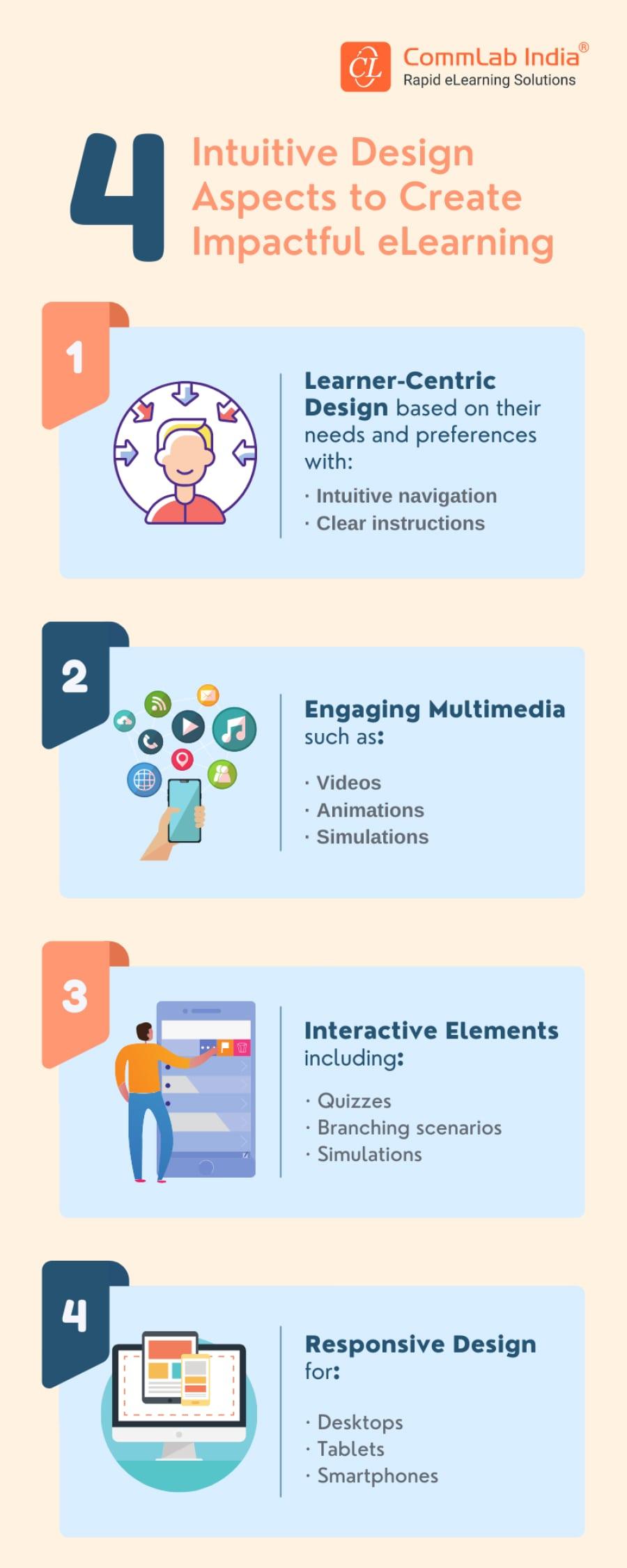
Online Course Designer: Essential Skills and Tools for Creating Engaging eLearning Experiences
The rapid growth of digital learning has made the role of Online Course Designer more critical than ever in today’s education technology landscape. Universities,colleges,and schools are constantly seeking professionals who can craft compelling and effective online learning environments. If you’re someone who’s passionate about both education and technology, a career as an online course designer might be the perfect fit for you.
Introduction to the Role of Online Course Designer in EdTech
The change of education through digital innovation has opened up new opportunities for both learners and educators. Online course designers—also referred to as instructional designers or eLearning developers—are at the heart of this educational evolution. They are responsible for creating interactive and impactful online courses that cater to diverse learning styles and needs.
If you’re interested in landing a job in education technology at a university, college, or school, understanding the essential skills, tools, and benefits of being an online course designer will give you a competitive edge.
What Does an Online Course designer Do?
Online course designers play a pivotal role in shaping digital learning experiences. Their main responsibilities include:
- Analyzing learning objectives and audience needs
- Designing and developing engaging course materials
- Creating assessments and evaluation tools
- Collaborating with subject matter experts and instructors
- Incorporating instructional technology and multimedia elements
- Ensuring courses are accessible and inclusive
- Evaluating and refining courses based on feedback and analytics
Essential Skills for Online Course Designers
Excelling as an online course designer requires a blend of technical, pedagogical, and creative skills. Below are the key competencies sought by educational institutions:
1. Instructional Design Knowledge
- Mastery of instructional design models such as ADDIE or SAM
- Familiarity with learning theories (constructivism, cognitivism, etc.)
- Experience with curriculum mapping and course alignment
2. Technical Proficiency
- Expertise in learning management systems (LMS) like Moodle, Canvas, Blackboard
- Ability to use authoring tools (articulate Storyline, Adobe Captivate, Camtasia)
- Understanding of HTML, CSS, and basic web design is a plus
3. Multimedia and Graphic Design
- Skill in creating or sourcing visual elements (images, infographics, videos)
- Experience with tools like Canva, Photoshop, or Illustrator
- ability to produce multimedia assets, from screen recordings to interactive quizzes
4. Interaction and Collaboration
- Strong written and verbal communication for creating clear instructional content
- Ability to work with educators, IT specialists, and multimedia teams
- Project management skills for juggling multiple deadlines
5. Accessibility and Inclusivity
- Knowledge of inclusive design principles and accessibility standards (WCAG)
- skills in adapting materials for learners with diverse needs
6. Data Analysis and Evaluation
- Ability to use analytics tools for tracking learner progress and engagement
- Experience in implementing course improvements based on data
Top Tools for Online Course Designers
To thrive as an online course designer, you’ll need hands-on experience with a variety of education technology tools and platforms. Here’s a rundown of some industry favorites:
- Learning Management Systems (LMS): Moodle, Canvas, Blackboard, Google Classroom
- Authoring Tools: Articulate Storyline, Adobe Captivate, H5P, iSpring Suite
- Video and Audio Editing: Camtasia, adobe Premiere, Audacity
- Graphic Design and Visualization: Canva, Adobe photoshop, Piktochart
- Collaboration and feedback: Microsoft Teams, Zoom, Google Workspace
- Assessment Creation: Quizlet, Google Forms, socrative, Kahoot!
- Accessibility Checkers: WAVE, siteimprove
Familiarity with these tools not only enhances the learning experience but also makes you an attractive candidate for education technology jobs in academic institutions.
Benefits of Becoming an Online course Designer
Choosing a career in online course design within the education technology sector brings a host of professional and personal benefits:
- High Demand: The shift toward digital education creates continuous demand for skilled online course designers in universities, colleges, and schools.
- Career Versatility: Expand into roles like instructional technologist, learning strategist, or education consultant.
- Impactful Work: Design educational experiences that empower students and lifelong learners worldwide.
- Remote Opportunities: Enjoy flexible work arrangements with remote and hybrid job possibilities.
- Continuous Learning: Stay at the forefront of instructional technology trends and pedagogical innovations.
- Competitive Salaries: Compensation is often attractive, with growth as you build expertise and a portfolio.
Practical Tips for Job Seekers in Education technology
Landing a job as an online course designer at a university, college, or school requires preparation and a targeted approach. Here are actionable tips to help you break into this rewarding field:
Create an Extraordinary Portfolio
- Showcase completed online courses, modules, and multimedia samples.
- Highlight a range of skills: storyboarding, course mapping, interactive elements, and assessments.
- Include before/after scenarios or testimonials to demonstrate measurable impact.
Build Your Network
- Join professional groups for instructional designers and education technologists.
- Attend webinars, workshops, and conferences related to eLearning and EdTech.
- Engage with thought leaders on social media platforms and participate in relevant discussions.
Stay Up to Date
- Regularly explore new tools, trends, and research in online learning and education technology.
- Pursue certifications in instructional design, learning management systems, or specific authoring tools.
- Subscribe to EdTech publications and online communities for continuous learning.
Tailor Your Job Applications
- Customize your resume and cover letter to emphasize relevant education technology skills.
- Use keywords from online course designer job descriptions to optimize your applications for applicant tracking systems (ATS).
- quantify your achievements—mention learner completion rates, engagement statistics, or successful project outcomes.
Emerging Trends and Future Outlook for Online Course Designers
The world of education technology is in constant evolution.Staying aware of current and emerging trends will help you future-proof your career as an online course designer.
- Adaptive Learning & AI: Leveraging AI to personalize content and learning paths for individual students.
- Microlearning: Developing bite-sized modules for just-in-time learning experiences.
- Gamification: Incorporating game elements to boost engagement and motivation.
- Mobile Learning: Ensuring courses are optimized for mobile devices for anytime, anywhere access.
- Virtual & Augmented Reality: Experimenting with immersive experiences for complex, experiential learning.
Conclusion
A career as an online course designer in the education technology sector offers a rewarding blend of creativity, technical expertise, and the prospect to make a lasting impact on learners’ lives. As more universities, colleges, and schools invest in digital learning, skilled professionals in instructional design and online course development will remain in high demand.
By mastering essential skills, developing proficiency with industry tools, and staying attuned to education technology trends, you can position yourself as a valuable asset to any academic institution. Whether you’re just starting your career or looking to transition into this dynamic field, the role of an online course designer promises both professional fulfillment and exciting opportunities for growth.
Take the next step today—equip yourself with the knowledge and skills to create engaging, accessible, and effective eLearning experiences that shape the future of education.