
Online Course Designer: Essential Skills and Tools for Modern E-Learning Success
Are you interested in building a rewarding career as an Online Course Designer in the rapidly growing field of education technology? As universities,colleges,and schools increasingly embrace digital learning,the demand for skilled professionals who can design engaging,effective online courses is higher than ever. Whether you’re a seasoned educator seeking a new challenge or a creative tech enthusiast ready to enter the world of e-learning, understanding the essential skills and tools for this role is your ticket to success. In this comprehensive guide, we’ll walk you through everything you need to know about becoming a standout Online Course Designer in today’s EdTech landscape.
what Is an Online Course Designer?
An Online Course Designer—sometimes called an instructional designer or e-learning specialist—is a professional responsible for creating, organizing, and optimizing digital learning experiences. Their work goes beyond simply uploading materials; they ensure courses are engaging, accessible, and tailored to diverse learning styles. Online Course Designers are increasingly vital in higher education and K-12 settings as institutions strive to enhance both remote and blended learning experiences.
- Collaborate with subject-matter experts to translate knowledge into digital formats
- Utilize learning management systems (LMS) to structure courses
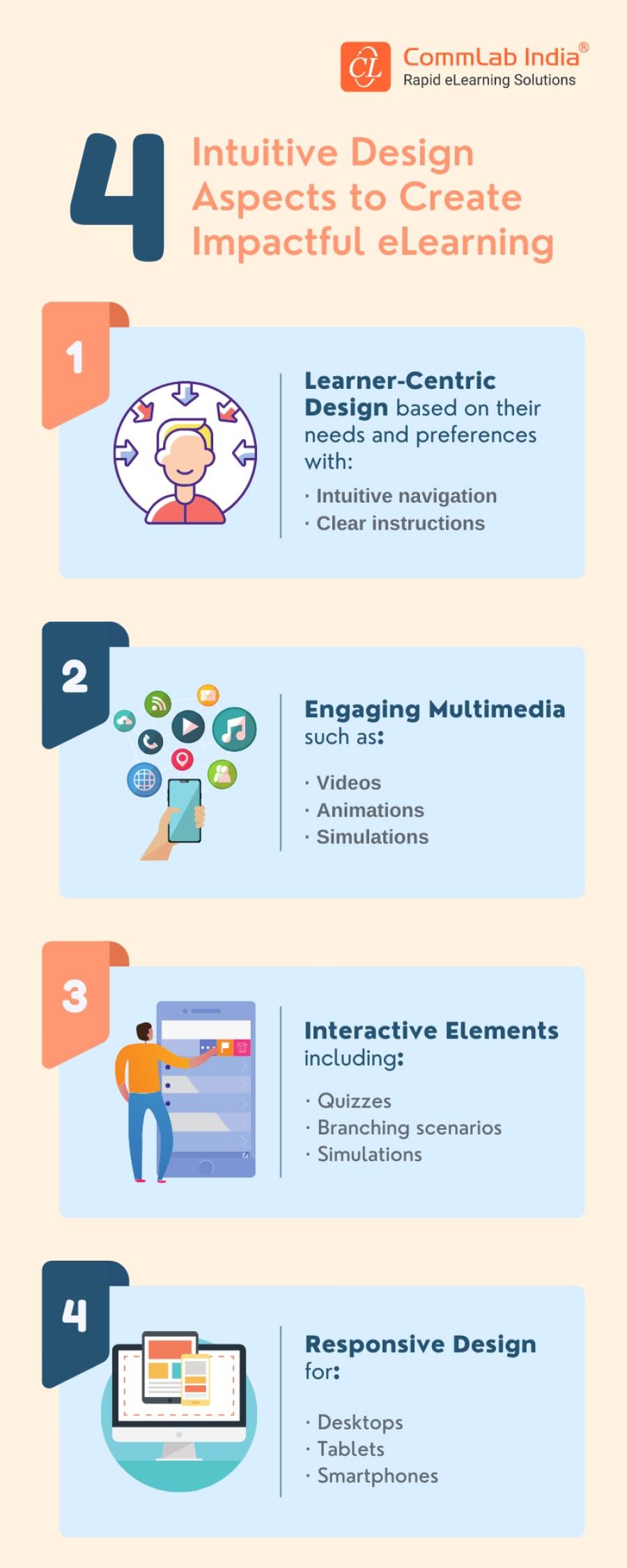
- Incorporate multimedia, interactive materials, and assessments
- Apply pedagogical and instructional design principles
why Pursue a Career as an Online Course Designer?
The field of online course design is dynamic, creative, and high-impact. here’s why it’s a fantastic career path:
- Growing Demand: The global shift toward online education fuels a steady need for talented designers.
- Impactful Work: You help shape the learning experiences of students from all backgrounds.
- Versatility: Skills are transferable across universities, colleges, K-12 schools, and corporate training sectors.
- Continuous Learning: You’ll always be at the forefront of new technology and educational methodologies.
Essential Skills for Modern Online Course Designers
To excel in online course design roles in universities, colleges, and schools, you’ll need a balanced combination of educational knowledge, technical proficiency, and creative flair. Let’s break down the must-have skills for online course designers:
1. Instructional Design Principles
- Mastery of models such as ADDIE (Analysis, design, Development, Implementation, Evaluation) and Bloom’s Taxonomy
- Ability to craft clear learning objectives
- Knowledge of backward design for curriculum planning
2.Learning Management System (LMS) expertise
- experience with popular platforms (e.g., canvas, Blackboard, Moodle, Google Classroom)
- Setting up modules, assignments, quizzes, and discussion forums
- Managing grades, analytics, and student communications
3. Multimedia and Content Creation
- Competence in creating interactive content (videos, podcasts, simulations)
- Basic graphic design using tools like canva or Adobe Creative Suite
- Editing and optimizing multimedia for accessibility and engagement
4. Technology and Web Development
- Familiarity with HTML, CSS, and sometimes JavaScript for course customization
- Understanding of SCORM and xAPI standards for content interoperability
- Basic troubleshooting of tech issues for seamless course delivery
5. Assessment and Evaluation
- Designing formative and summative assessments
- Data analysis to assess student progress and course effectiveness
- Continuous advancement through learner feedback and analytics
6.Pedagogical and Interpersonal Skills
- Empathy and sensitivity to diverse learners’ needs
- Strong interaction and collaboration abilities
- Adaptability and openness to new teaching strategies
Top Tools for Online Course Designers in 2024
Equipping yourself with the right e-learning tools can accelerate your success. Here are some of the most commonly used platforms and software in higher education and K-12 online course design:
- Learning Management Systems: Canvas, Blackboard, Moodle, Brightspace
- Authoring Tools: Articulate Storyline, Adobe Captivate, Lectora
- Collaboration and Communication: Zoom, Microsoft Teams, Slack
- Media Creation: Camtasia (video editing), Audacity (audio editing), Canva (graphics)
- Assessment Tools: Google Forms, Kahoot!, Quizlet
- Accessibility Checkers: WAVE, Color Contrast Analyzer
- Cloud Storage and Project Management: Google Drive, Trello, Asana
Benefits of Being an Online Course Designer
Not only does a career in online course design offer exciting challenges, but it also comes with a range of professional and personal benefits:
- Flexibility: many EdTech roles offer remote work opportunities.
- Job Security: The digital education boom ensures steady demand for your skills.
- Creativity: Blend technology and storytelling to create memorable learning journeys.
- Career Advancement: Opportunities to specialize or move into leadership (e.g., Lead Instructional Designer, Director of Online learning).
- Meaningful Impact: Empower learners and educators at every level of the academic spectrum.
Practical Tips: How to Break Into Online Course Design
Ready to start your journey? Follow these practical tips to secure a role as an Online Course Designer in universities, colleges, or schools:
1. Build Relevant Experience
- Volunteer to help teachers or professors digitize their courses
- Create and share your own e-learning modules or online tutorials
- Freelance or intern with EdTech organizations to gain hands-on practice
2. Earn Certifications
- Pursue study in instructional design, educational technology, or a related field
- Seek recognized certifications (e.g., Certified Online Learning Facilitator, ATD Instructional Design Certificate)
3.Build a Portfolio
- Showcase course samples, storyboards, interactive content, and testimonials
- Create a professional website or digital portfolio highlighting your best work
4. Network and Stay Updated
- Join EdTech communities, networking groups, and social media discussions
- Stay current with trends in online education and technology
5. Tailor Your Job Applications
- Customize your resume and cover letter for each institution and role
- Highlight experience with specific e-learning technologies and pedagogical approaches
Future Trends in Online Course Design
Stay ahead of the curve by familiarizing yourself with the latest movements in education technology:
- Artificial Intelligence (AI): Personalized learning pathways, adaptive content recommendations
- Gamification: Using game mechanics to boost motivation and engagement
- Virtual Reality (VR) and Augmented Reality (AR): Immersive learning experiences for subjects such as science, history, and engineering
- Microlearning: Bite-sized modules for mobile-first and just-in-time learning
- Universal Design for Learning (UDL): Creating courses accessible to all learners, including those with disabilities
Conclusion
The rise of digital education has unlocked exciting opportunities for professionals passionate about learning, creativity, and technology.As an Online Course Designer, you are at the heart of this transformation—empowering students and educators at universities, colleges, and schools to thrive in online and blended environments. By mastering essential skills, staying updated with cutting-edge tools, and following practical career tips, you can build a successful and fulfilling career in education technology.Take the first step today and shape the future of learning for generations to come!