
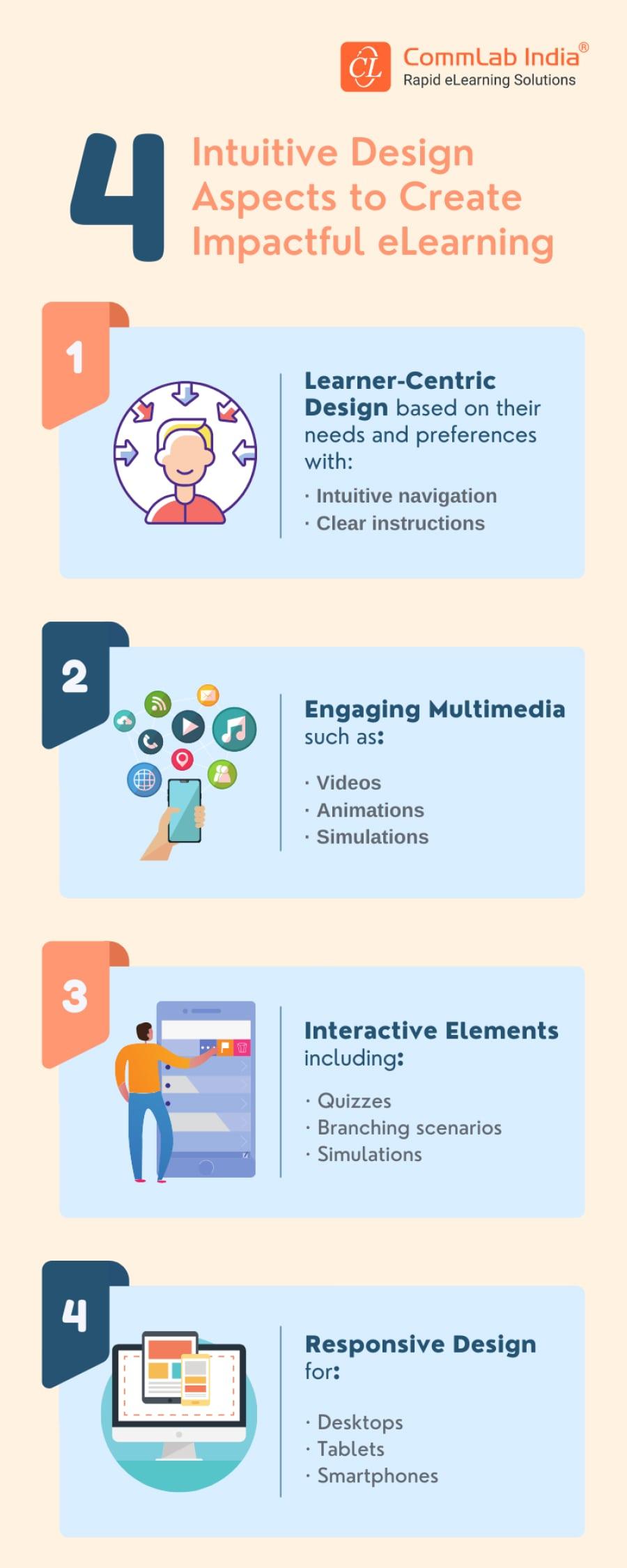
Online Course Designer: Essential Skills & Tools for Creating Engaging E-Learning Experiences
Introduction
The expansion of digital learning in universities, colleges, and schools has created high demand for talented Online Course Designers. These professionals play a pivotal role in shaping engaging, impactful, and accessible e-learning experiences for learners of all ages. If you are a job seeker aiming to break into education technology as an online course designer, it’s crucial to understand the skills, tools, and responsibilities that will set you apart in this exciting field. This comprehensive guide covers everything you need to know to thrive as an online course designer in educational institutions.
What Does an online Course Designer Do?
An Online Course Designer, also known as an Instructional Designer or E-Learning Developer, is responsible for conceptualizing, developing, and delivering digital learning content. This role is essential within universities, colleges, and schools striving to provide high-quality online education.
- Collaborate with subject matter experts (SMEs) to design and update curricula
- Apply instructional design theories to create interactive and effective courses
- Develop multimedia educational resources (videos, simulations, quizzes, etc.)
- Integrate digital content into Learning Management Systems (LMS)
- Assess and revise courses based on learner feedback and educational outcomes
As universities and schools invest more in digital change, the role of online course designers is continuously expanding, offering diverse career pathways in edtech jobs.
Essential Skills for Online Course Designers
To succeed in online course design jobs, you’ll need a blend of technical, pedagogical, and creative skills. Below are the core competencies employers look for:
1. Instructional Design Expertise
- Familiarity with ADDIE, SAM, or other instructional design models
- Understanding of pedagogy, andragogy, and best practices in digital learning
- Ability to align learning objectives with assessment methods
2. Technological Proficiency
- experience using LMS platforms (Canvas, Moodle, Blackboard, etc.)
- knowledge of rapid authoring tools (Articulate Storyline, Adobe Captivate, Lectora)
- Basic HTML and multimedia editing skills
3. Creative Content Advancement
- Strong visual and written interaction abilities
- Experience developing videos, graphics, and animation for online courses
- Ability to craft engaging scripts and learning activities
4. Data-Driven Mindset
- Proficiency in using analytics to assess student engagement and course effectiveness
- Experience iterating course design based on feedback and learning pathways
5. Project Management & Collaboration
- Strong organizational skills and ability to manage multiple projects
- Effective teamwork with educators, administrators, and tech teams
- Excellent communication and feedback skills
Top Tools Used by Online Course Designers
Leveraging the right edtech tools can amplify a course designer’s productivity and creativity. Below is a list of essential tools for creating engaging e-learning experiences in higher education and schools:
- LMS Platforms: Canvas, Moodle, Blackboard, Schoology
- Course Authoring Tools: Articulate Storyline, Adobe Captivate, lectora, iSpring Suite
- Video & Audio Editing: Camtasia, Adobe Premiere, Audacity
- interactive Media: H5P, Genially, ThingLink
- Graphic Design: Canva, Adobe Creative Cloud (Photoshop, Illustrator)
- collaboration: Google Workspace, Microsoft Teams, Slack
- Assessment & Analytics: Google Forms, Quizlet, edpuzzle, LMS Analytics dashboards
Familiarizing yourself with these platforms will make you more valuable to potential employers and better equipped to deliver high-quality digital learning experiences.
Benefits of a Career as an Online Course Designer in education Technology
- High Demand: Institutions are increasing investments in virtual education, driving a surge in edtech job opportunities.
- Creativity & Impact: craft courses that make a real difference in students’ learning journeys.
- Remote & Flexible Work: Many course designer roles offer the possibility of remote or hybrid arrangements.
- Continuous Learning: Stay on the cutting edge of technology, design, and pedagogy.
- Diverse Work Settings: Work in universities, colleges, K-12 schools, education consultancies, or freelance.
Practical Tips for Aspiring Online course Designers
- Build a Portfolio: Showcase your course designs, multimedia creations, and storyboards online. Demonstrate your process from initial sketches to final product.
- Network with EdTech Professionals: Join professional communities and attend virtual conferences to stay ahead of industry trends.
- Pursue Relevant certifications: Consider certificates in instructional design, e-learning development, or specific tools (such as Articulate Storyline or Adobe Captivate).
- Stay current with Trends: familiarize yourself with modern pedagogical approaches like mobile learning, microlearning, gamification, and accessibility (WCAG standards).
- Volunteer or Freelance: Gain practical experience by designing courses for nonprofits, schools, or on freelance platforms.
Key Qualifications and Career Pathways
Most online course designer jobs in universities and colleges require:
- Bachelor’s or Master’s degree in Instructional Design, Education, Educational Technology, or related fields
- Demonstrated experience in curriculum design and project management
- Strong technology skills and experience designing within an LMS
- Professional certifications (optional but beneficial)
Career progression can lead to advanced roles such as Senior Instructional Designer, E-Learning Manager, Learning Experience Designer, or Head of Digital Learning.
Why Educational Institutions Value Skilled Online Course Designers
- Ensures effective, interactive, and inclusive learning environments
- Drives student engagement and academic achievement
- Aligns online programs with institutional goals and accreditation standards
- Increases retention and success rates for remote learners
as digital learning continues to evolve, the role of the online course designer will only grow in significance within education technology teams.
Conclusion
Embarking on a career as an Online Course Designer in universities, colleges, or schools presents incredible opportunities to empower learners and shape the future of education technology. mastering instructional design principles, developing expertise with leading edtech tools, and building a strong professional network will put you on the path to a rewarding role in this dynamic field. Whether you are new to education technology or looking to advance your career, the demand for skilled online course designers is set to rise, making now the perfect time to invest in the essential skills and tools that define success in online learning.