
Online Learning Platforms 2025: Key Trends Shaping the Future of Digital Education
The digital transformation in education continues to evolve rapidly, and online learning platforms have become essential tools for schools, universities, and individuals worldwide. As we enter 2025, innovative technologies, changing learner expectations, and global trends are shaping the future of digital education. In this comprehensive guide, we explore the most prominent key trends impacting online learning platforms in 2025, their benefits, practical usage tips, and real-world case studies to help you stay ahead in the digital learning revolution.
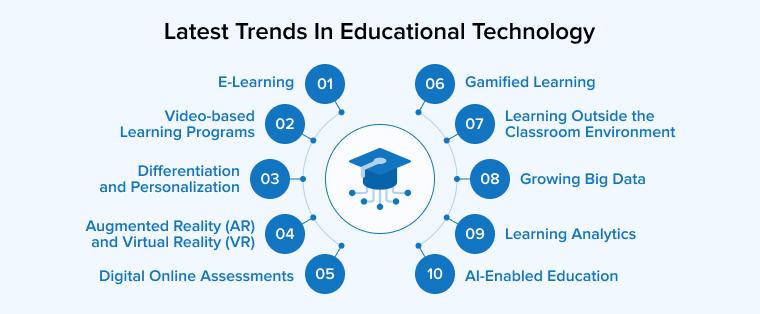
Key Trends Shaping Online Learning Platforms in 2025
The landscape of e-learning has progressed considerably, with new advancements ready to redefine how knowledge is delivered and absorbed. Let’s look at the trends set to make a major impact this year:
1. Artificial Intelligence and Personalized Learning
- AI-Powered Adaptivity: Artificial intelligence (AI) now helps platforms deliver personalized learning experiences, adapting content, pace, and feedback to each learner’s unique profile.
- Smart Content Recommendations: Machine learning algorithms analyze behavior and suggest courses, modules, or resources tailored to individual interests and skill gaps.
- Automated Assessments: Intelligent evaluation tools auto-grade assignments and offer instant feedback, improving learning outcomes.
2. Immersive Learning with AR & VR
- Virtual Classrooms: Augmented and virtual reality (AR/VR) create interactive,immersive classrooms for complex subjects like science,engineering,and medicine.
- Simulated Work Experience: Learners engage in realistic scenarios, gaining practical skills through hands-on simulation activities that were unfeasible before.
- Enhanced Engagement: Multimedia-rich environments help improve retention and motivation.
3. Microlearning and Bite-sized Content
- On-the-go Learning: Short, focused modules allow users to learn anytime, anywhere, increasing accessibility and completion rates.
- Speedy Skill Acquisition: Fast-paced industries require rapid upskilling—microlearning empowers employees and students to stay competitive.
4. Social Learning and Community Building
- Interactive Forums: Platforms integrate discussion boards, group chats, and collaborative projects to enhance peer-to-peer learning.
- Global Classrooms: Cross-cultural exchanges are facilitated, making learning a more social, inclusive experience.
5. Lifelong Learning and skills-Based Education
- Career pathways: Courses are increasingly aligned with industry needs, focusing on practical skills and certifications rather than customary degrees.
- continuous Professional Development: Professionals use online platforms to upskill throughout their careers.
Benefits of Modern Online Learning Platforms
Why are online learning platforms dominating educational discussions in 2025? Here’s what makes them superior:
- Flexible Access: Learn any time, from any location—perfect for busy professionals, parents, and remote learners.
- Affordable Learning: lower costs compared to traditional classrooms and universities, with many free or low-cost options available.
- Personalized Learning Paths: AI and data-driven insights help customize curricula based on individual strengths and preferences.
- Broad Selection: Choose from thousands of subjects, from coding and language learning to creative arts and business leadership.
- Global Collaboration: Connect with peers, mentors, and instructors all over the world.
- Real-Time feedback & Analytics: Monitor progress immediately and adjust strategies for maximum achievement.
Practical Tips for Leveraging Online Learning Platforms in 2025
If you’re ready to harness the potential of digital education platforms, consider these actionable tips:
- Identify Your Objectives: Start with clear goals—whether it’s career advancement, personal enrichment, or skill-specific learning.
- choose the Right Platform: Research platforms offering high-quality content, industry-recognized certification, and advanced features like AI-powered adaptivity.
- Schedule Dedicated Learning Time: Consistency is key! Set realistic study times to ensure regular progress.
- Engage with Community: Participate in forums, study groups, and mentor networks to enhance understanding and stay motivated.
- Track and Adjust: Use analytics to monitor your learning outcomes and adjust your approach as needed.
- Experiment with New Technologies: Try AR/VR-based modules or simulations to experience art, science, and engineering in novel ways.
- Take Advantage of Microlearning: Incorporate bite-sized lessons into your daily routine for continuous improvement.
Case Studies: Digital Education Success Stories
FutureSkill academy: Personalized Learning with AI
FutureSkill Academy integrated AI-driven personalization in its online courses for data analytics and programming. Within eight months, the average completion rate rose by 20%, and learner satisfaction increased due to tailored content recommendations and automated feedback tools.
MedTech Simulation: Immersive VR for medical Training
MedTech Simulation launched a VR-powered anatomy classroom for medical students. Utilizing spatial computing and real-time simulations, students improved practical skills and confidence, with 90% reporting greater retention than with textbook-based learning.
GlobalEd Connect: Social Learning Platform
globaled Connect’s social learning features—like forums, peer reviews, and collaborative international projects—helped reduce student isolation and boost engagement. Courses with strong community elements saw a 30% increase in class participation in 2024–2025.
First-Hand Experience: Insights from Learners
We spoke to several users of top online learning platforms to capture their experiences with digital education:
- Emily (Software Developer): “AI-powered feedback helped me close knowledge gaps faster than I imagined. the data visualization tools tracked my progress and kept me motivated.”
- raj (Medical Student): “VR simulations gave me hands-on practice before attending hospital rounds, boosting my skills and confidence.”
- Lina (Entrepreneur): “microlearning fits my hectic schedule—I complete modules whenever I have a free moment, and it’s been instrumental in building my business skills.”
What to Expect: Online Learning Platforms Beyond 2025
The future of digital education promises even more dynamic advancements.Upcoming developments may include:
- Enhanced AI Tutors: virtual instructors will offer instant support, guidance, and personalized mentoring.
- Blockchain Credentials: Secure, verified digital transcripts and certificates will simplify hiring, admissions, and skill recognition.
- Global Language Translation: Real-time translation tools will make courses universally accessible, breaking language barriers for learners worldwide.
- Integration with Enterprise Systems: Corporate learning platforms will be seamlessly linked to HR and talent management solutions.
Conclusion: Embrace the Future of Digital Education
As online learning platforms continue to evolve in 2025, thay offer incredible opportunities for students, professionals, educators, and organizations alike. The convergence of AI, immersive technologies, and community-driven experiences is transforming education—making it more inclusive, efficient, and enjoyable.
Whether you’re looking to develop new skills,advance your career,or connect with likeminded learners globally,embracing the latest key trends in digital learning will ensure you thrive in the rapidly-changing world of education. Begin your journey today, and take advantage of flexible, cutting-edge solutions that online learning platforms 2025 have to offer.
Are you ready to take your learning to the next level? Comment below with your experiences or questions about online education platforms!