
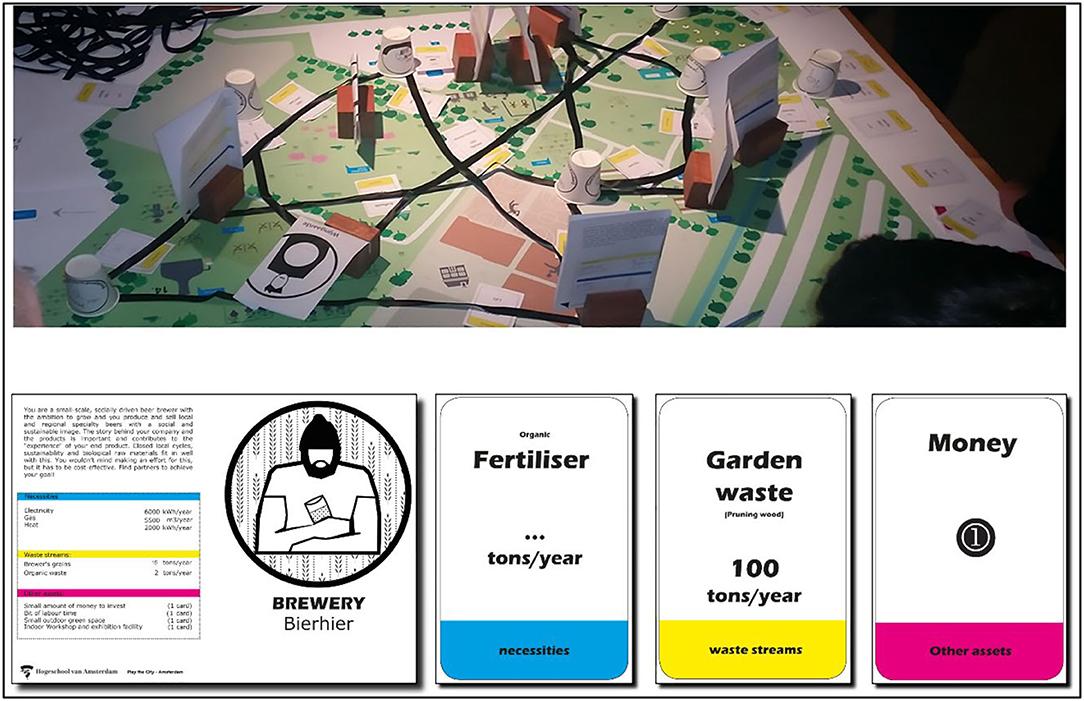
overcoming Challenges in Implementing Game-Based Learning: Key Obstacles & Solutions
Game-based learning (GBL) has emerged as a transformative approach in modern education, captivating students by merging fun and engagement with interactive educational experiences. As schools and organizations seek innovative strategies to improve learning outcomes, the use of educational games offers a promising path. However, successfully implementing game-based learning comes with unique challenges that educators, administrators, and instructional designers must address. In this comprehensive guide,we explore the primary obstacles and provide actionable solutions,real-world case studies,and expert tips for overcoming these challenges to unlock the full potential of game-based learning.
Benefits of Game-Based Learning in Education
- Enhances student engagement and motivation
- Improves critical thinking, problem-solving, and collaboration
- Promotes active learning through real-time feedback
- Supports personalized and adaptive learning experiences
- Facilitates retention and long-term understanding of concepts
Despite these compelling advantages, the adoption of game-based learning systems is not without hurdles.Let’s delve into the key challenges and how to navigate them effectively.
Key Obstacles in Implementing Game-Based Learning
1. Limited Resources and Budget Constraints
Educational institutions, especially public schools and smaller organizations, often struggle with limited funding and resources. implementing high-quality educational games, whether digital or analog, may require significant investment in technology, training, and content development.
Solution:
- Start with low-cost or free game-based learning platforms like Kahoot!, Quizizz, or Classcraft.
- Seek grants and partner with EdTech companies for discounted licenses or pilot programs.
- Encourage teachers to create their own custom games using tools like Google slides or PowerPoint.
- Utilize open educational resources (OER) and collaborate with other educators to share materials.
2. resistance to Change and Lack of Training
Teachers and administrators may be wary of implementing new instructional methods, especially those involving unfamiliar technology or pedagogical frameworks. Lack of professional development can impede accomplished GBL integration.
Solution:
- Provide comprehensive training workshops and ongoing support for educators.
- Showcase successful case studies to highlight the benefits and build buy-in.
- foster a community of practice for educators to share experiences and strategies.
- introduce GBL in stages, allowing educators to experiment and gradually integrate games into their curricula.
3. Aligning Game-Based Learning with curriculum Standards
One significant challenge is ensuring that game-based learning activities align with mandated curriculum standards and learning objectives.games must deliver measurable educational outcomes to be considered effective.
Solution:
- Select or design games that are curriculum-embedded and focus on the targeted skills.
- Use rubrics and assessment tools to evaluate student progress in connection with standards.
- Collaborate with curriculum designers and subject matter experts to vet games for relevance and rigor.
- Continuously gather feedback from students and teachers to refine game content.
4. Technology Access and Infrastructure
Access to reliable devices,internet connectivity,and technical support is vital for digital game-based learning. Schools in underprivileged areas may face digital divides,making implementation difficult.
Solution:
- Adopt device-agnostic educational games that work on smartphones, tablets, and computers.
- Schedule game-based activities during times with optimal tech access or in computer labs.
- Explore offline and non-digital games for classrooms lacking adequate technology.
- Advocate for improved technological infrastructure and digital equity at the district level.
5. Managing Classroom dynamics & Student Engagement
Game-based learning requires careful classroom management to ensure that games enhance, rather than distract from, the learning process. Diverse learning styles and student backgrounds may affect how students interact with games.
Solution:
- Set clear rules and expectations for game play and incorporate reflective discussions post-game.
- Use inclusive game designs so all students can participate regardless of ability.
- Offer choice and variety in games to cater to different interests and learning needs.
- Integrate collaborative and team-based games to foster peer learning.
6. Assessment and Measuring Learning Outcomes
Customary assessment methods may not capture the full scope of learning achieved through games.There is often skepticism about whether game-based experiences translate to academic achievement.
Solution:
- Utilize game analytics to track student progress within educational games.
- Combine formative assessments embedded in games with conventional testing methods.
- Collect student feedback and conduct reflective exercises to evaluate the learning process.
- Experiment with performance-based assessments and project-oriented evaluations.
Practical Tips & Strategies for Effective Game-Based Learning
- Start small with pilot programs before district-wide adoption.
- Involve students in game selection and allow them to co-design levels or rules, increasing ownership.
- Integrate feedback loops for continuous enhancement and fine-tuning.
- Encourage cross-curricular applications, combining subjects (e.g., Math and Science through strategy games).
- Leverage WordPress plugins or LMS integration to organize game-based learning resources and activities.
Case Studies: Success Stories in Game-Based Learning Implementation
Facing budget shortages, this school started with free platforms like Kahoot! and Quizizz. After establishing teacher training days, they observed a 28% rise in class participation. The curriculum team worked closely with teachers to align games with state standards. The principal noted marked improvements in student engagement and test scores.
Leveraging blended learning environments, teachers used Minecraft Education Edition and digital escape rooms. Structured assessments and peer reviews were built into the activities, ensuring curriculum alignment and measurable outcomes. Student feedback indicated a significant increase in interest and motivation to learn.
With limited technological resources,teachers incorporated analog games and learning puzzles. Community volunteers helped build resources. By focusing on inclusive group activities, teachers observed better teamwork and conceptual understanding among students.
First-Hand Experiences from Educators
“When I introduced digital games in my classroom, some students were initially skeptical, but after a month, I witnessed dramatic improvement in their willingness to participate. Collaboration increased, and even those who struggled academically found their footing through play.”
– Sarah B., Grade 5 Teacher
“The key is starting with the right mindset and providing teachers with reliable support. Once they see the learning gains and joy in students, resistance fades away.”
– James D., Instructional Technology Coordinator
conclusion: Unleashing the Power of Game-based Learning
Implementing game-based learning in education brings both excitement and challenges. By understanding and addressing obstacles such as limited resources, resistance to change, curriculum integration, technology access, classroom management, and assessment, educators can turn potential barriers into opportunities for growth. The journey towards effective game-based learning requires planning, collaboration, and a willingness to adapt.
With the right strategies and an open-minded approach, schools and organizations can transform educational experiences, improve student outcomes, and nurture a lifelong love for learning. Explore,experiment,and empower both teachers and students—the future of education is playful,engaging,and radiant.