
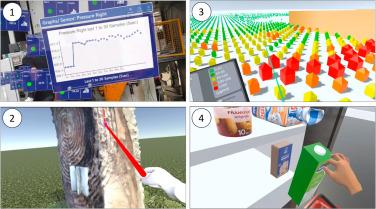
Overcoming Challenges in Integrating VR/AR into Curricula: Effective Strategies for educational Success
In the ever-evolving landscape of education, Virtual Reality (VR) and Augmented Reality (AR) stand out as transformative tools that ignite curiosity, deepen understanding, and prepare students for the digital age. Yet, integrating VR/AR into curricula is not without its hurdles. Schools, colleges, and universities frequently enough struggle with technical, financial, and pedagogical barriers. This article explores the challenges of VR/AR integration in education and offers actionable strategies and case studies to guide educators toward successful, immersive learning environments.
The Benefits of Integrating VR/AR in Education
before tackling the challenges, it’s essential to understand why VR/AR technologies are worth the investment. Here are some of the most significant benefits:
- Enhanced Engagement: VR/AR captivates learners with immersive, interactive experiences.
- Improved Comprehension: 3D models and simulations help visualize complex concepts, making abstract ideas tangible.
- Safe Learning Environments: Students can perform virtual dissections or risky experiments risk-free.
- Global Accessibility: Virtual field trips and cross-cultural exchanges are made possible, breaking down geographical barriers.
- Personalized Learning: AR/VR can adapt to students’ individual pace and learning styles.
key Challenges of Integrating VR/AR into Curriculum
While the advantages are clear, integrating VR/AR in education brings a unique set of challenges:
1. high Costs and Resource Constraints
- Hardware and Software: Quality VR headsets, AR devices, and compatible software can be expensive.
- Maintainance and Upgrades: Technology evolves rapidly,outdating devices and inflating budgets.
2. Technical and Infrastructure Barriers
- Insufficient IT support: Schools may lack staff to manage, update, and troubleshoot VR/AR devices.
- Connectivity Issues: Reliable, high-speed internet is essential for many VR/AR experiences.
3. Pedagogical Integration and Curriculum Alignment
- Lack of training: Teachers often lack the expertise to integrate VR/AR effectively into lessons.
- Misalignment: Finding or creating content that aligns with learning objectives and standards can be challenging.
4. Student Accessibility and Equity
- Digital Divide: Not all students have equal access to technology at home or even at school.
- Inclusivity: Content must be accessible to students with diverse needs, including those with disabilities.
Effective Strategies to Overcome VR/AR Integration Challenges
The transition to immersive learning need not be daunting. Implementing the following best practices can ensure a smoother and more successful adoption of VR/AR in education:
start Small and Scale Gradually
- Begin with pilot programs or a single unit before expanding school-wide.
- Focus on specific subjects (like science or history) were VR/AR impact is easily measurable.
Leverage Affordable and Flexible Solutions
- Use cost-effective devices, such as Google Cardboard or students’ smartphones for introductory experiences.
- Take advantage of free or low-cost VR/AR educational content platforms.
Invest in Professional Development
- Offer regular teacher workshops and hands-on training sessions.
- Encourage peer-to-peer mentoring and sharing of best practices.
Focus on Curriculum Integration
- Align VR/AR experiences with learning standards and desired outcomes.
- Collaborate with curriculum designers and subject experts to ensure relevance.
Prioritize Inclusivity and Accessibility
- choose platforms compliant with accessibility standards (WCAG, for example).
- Provide alternative activities for students unable to engage with certain VR/AR content.
Establish Strong IT support and Infrastructure
- Partner with IT professionals to maintain and upgrade equipment.
- Ensure robust internet connectivity and device management systems.
Case Study: VR in Science education
A high school in California introduced a VR-based curriculum module where students could explore the human anatomy in 3D. Using affordable VR headsets and tailored content, students conducted “virtual dissections” and examined organ systems from all angles. Teachers noticed a marked enhancement in students’ understanding and retention of the subject, as well as greater enthusiasm for biology as a whole.
- Challenge Addressed: Traditional methods lacked engagement and accessibility to real specimens.
- Strategy Applied: Integration began with a limited pilot, leveraging grant funding and teacher training.
- Results: Higher test scores,increased participation,and broader curriculum adoption school-wide.
First-Hand Experience: Teacher Outlook
“Introducing AR into my history class transformed how my students understood ancient civilizations. Exploring virtual ruins in real time sparked their imagination and allowed for differentiated learning experiences. At first, I was apprehensive due to the learning curve, but with ongoing support and collaboration among staff, integrating AR has become second nature and a real highlight for my students.”
— Sarah,Middle School History Teacher
Best Practices for Sustained Educational Success
- Continuous Evaluation: Regularly assess VR/AR programs for effectiveness,making data-driven adjustments as needed.
- Engage Stakeholders: Involve teachers, students, administrators, and parents in planning and feedback processes.
- seek Funding Opportunities: Apply for grants, collaborate with tech companies, and explore public-private partnerships.
- Foster a Growth Mindset: Encourage experimentation and open dialog about what works (and what doesn’t).
Conclusion: Embracing the Future of Education
Integrating VR/AR technology in education is both a challenge and an chance. Schools that invest in overcoming these hurdles pave the way for a more engaging, equitable, and effective learning environment. By starting small, supporting teachers, ensuring accessibility, and actively involving the school community, educational institutions can unlock the full power of immersive technology. the journey may be complex, but the rewards—deeper learning, higher engagement, and future-ready students—make the effort worthwhile.
As VR and AR technologies continue to evolve, embracing these innovative tools will be essential for preparing learners for tomorrow’s world. Begin your VR/AR integration journey today, and transform the educational experience for all students.