
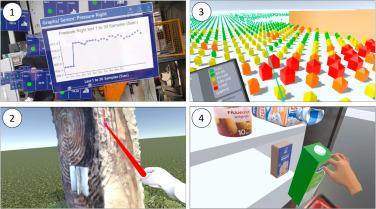
Overcoming Challenges in integrating VR/AR into Curricula: Solutions for Prosperous Implementation
The integration of virtual Reality (VR) and Augmented Reality (AR) in education has become one of the most exciting advancements in modern learning. With immersive technologies reshaping traditional classrooms, educators are discovering fresh ways to captivate students, boost retention, and foster deeper understanding. However, transitioning to VR/AR enhanced curricula presents its unique set of challenges. In this article, we delve into the common obstacles of integrating VR/AR into curricula and unveil practical, proven solutions for successful implementation.
Why Integrate VR/AR into the Curriculum?
Before addressing the integration challenges,let’s briefly highlight the transformative benefits of VR/AR in education:
- Enhanced Engagement: Immersive experiences foster active participation and sustained attention.
- Deeper Learning: interactive simulations improve conceptual understanding and critical thinking.
- Access to Or else Inaccessible Environments: Students can explore ancient events, molecular biology, or distant planets without leaving the classroom.
- Personalized Learning: VR/AR tools adapt to individual learning paces and preferences.
- Collaboration & Creativity: Virtual group projects and creative sandbox environments promote teamwork and innovation.
“Immersive technology in education is not just a fad—it’s the next logical step in creating meaningful pathways for lifelong learning.”
main Challenges in Integrating VR/AR into Curricula
While the promise of immersive learning technologies is compelling,their practical adoption often faces hurdles. Understanding these challenges is the first step to overcoming them.
1. High Initial Costs
VR/AR hardware—such as head-mounted displays, AR-enabled tablets, and motion controllers—can strain institutional budgets, especially for under-resourced schools. Additionally, developing custom VR/AR content may require investment in software and specialized personnel.
2. Limited Content Availability
Not all subjects have readily available,curriculum-aligned VR/AR content. This gap is more pronounced in niche subjects or non-STEM disciplines.
3. Technical Challenges & Infrastructure
VR/AR integration demands robust infrastructure: reliable internet, high-performance computers, and sufficient bandwidth. Technical glitches or lack of maintenance support can disrupt learning.
4. Teacher Training and Readiness
Many educators are new to immersive technologies. Without adequate professional progress,teachers may feel unprepared to incorporate VR/AR effectively.
5. Pedagogical Alignment
The best use of VR/AR depends on how well it fits within pedagogical goals and assessment strategies. Unplanned or isolated use can lead to “tech for tech’s sake” rather than meaningful learning outcomes.
6. Student Accessibility & Equity
Ensuring equitable access to VR/AR learning for all students, including those with disabilities or those from underserved communities, is a meaningful concern.
Solutions for Successful VR/AR Integration in Education
Each challenge in VR/AR deployment can be tackled with forward-thinking, collaborative approaches. Here’s how schools and institutions can turn hurdles into stepping stones:
1. Start Small with Scalable Pilots
- Implement pilot programs targeting specific courses or grade levels before a full-scale rollout.
- Collect data on learning outcomes and student feedback to refine the program.
- Use affordable entry-level VR/AR kits (such as Google Cardboard or AR-enabled mobile devices) to demonstrate value before investing heavily.
2. Leverage Open-Source and Commercial Content
- Explore open educational resources (OER) offering free or low-cost VR/AR modules aligned with common curricula.
- Partner with vendors or edtech startups specializing in curriculum-integrated VR/AR content.
- Engage students in content creation as a project-based learning activity,fostering digital literacy and ownership.
3. Upgrade Infrastructure Strategically
- Audit current technology infrastructure and prioritize upgrades where most needed.
- Seek funding through grants, government initiatives, or collaborations with local universities and businesses.
- Invest in cloud-based VR/AR platforms to minimize hardware requirements and facilitate remote learning.
4. Extensive Teacher Training & Support
- Organize hands-on professional development workshops covering technical and pedagogical aspects of VR/AR.
- Create a network of “VR/AR champions”—early adopters who can mentor colleagues and demonstrate best practices.
- Encourage reflective teaching practices to continuously align VR/AR use with learning objectives.
5. Ensure Alignment with Curriculum Goals
- Design VR/AR activities that map directly to curriculum standards and learning outcomes.
- Use formative and summative assessments to measure the effectiveness of immersive experiences.
- Document and share best practices for integrating VR/AR within lesson plans.
6. Promote Accessibility and inclusion
- Adopt VR/AR platforms that comply with accessibility standards (e.g., features for visually impaired students).
- Facilitate device loan programs or shared access labs to bridge the digital divide.
- Solicit feedback from all student groups to identify and address barriers to participation.
Case Studies: VR/AR Integration Success Stories
Real-world examples demonstrate how these solutions deliver tangible results:
The VR Science Lab: Empowering Middle School Learners
Case Study: A middle school in California piloted VR-based science labs to enable students to conduct experiments virtually. After three months, science test scores improved by 18%, and student engagement metrics soared. Teachers attributed success to dedicated training and starting with a small group before scaling.
Augmented Reality Field Trips for History Lessons
Example: A history teacher in the UK employed an AR app to overlay historical facts and 3D models onto local landmarks during field trips. students reported better retention and greater interest in the subject.
University Collaboration for Inclusive content
Example: A partnership between a technology university and a local K-12 district resulted in the co-development of VR lessons designed with built-in accessibility features, ensuring students with visual and motor impairments could participate fully.
Tips for Schools embarking on VR/AR integration
- Start with clear goals: Define what you hope to achieve through VR/AR-enhanced learning.
- Involve stakeholders: Engage administrators, teachers, students, and parents early in the process.
- Pilot,then scale: Test ideas in a controlled setting and adapt based on results.
- Iterate frequently: Seek regular feedback and be willing to evolve strategies as technology and needs change.
- Celebrate successes: Share positive outcomes and lessons learned within your learning community.
Conclusion: paving the Way for Immersive Learning Excellence
while integrating VR and AR technologies into school curricula presents undeniable challenges—from costs and content gaps to technical and pedagogical hurdles—these obstacles are far from insurmountable. by adopting strategic, student-centered solutions and fostering a culture of ongoing learning and collaboration, educators can unlock the full potential of immersive technologies.
The future of education is immersive, inclusive, and innovative. Schools that proactively address the integration challenges of VR/AR will not only prepare students for a tech-driven world but also inspire a new era of curiosity, creativity, and critical thinking. Now is the time to embrace the next frontier in educational technology and make immersive learning a reality for all.
Ready to explore more about VR/AR implementation in education? Subscribe to our newsletter for the latest tips, trends, and success stories!