
Overcoming Challenges in VR/AR Curriculum Integration: Key Strategies for Educators
Virtual Reality (VR) and Augmented Reality (AR) are redefining the boundaries of education, enabling immersive learning experiences that foster deeper understanding and engagement. Though, integrating VR/AR into the curriculum comes with its own set of challenges.This article explores the hurdles educators face, highlights the benefits of immersive technology, and provides actionable strategies for successful VR/AR curriculum integration.
Understanding the Need for VR/AR in Education
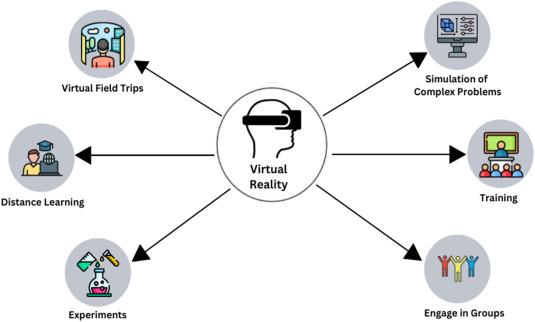
With the rapid advancement of educational technology, VR/AR learning tools offer unique opportunities to enhance student engagement, cater to diverse learning styles, and bring abstract concepts to life. From virtual field trips to interactive science labs, the potential of VR/AR in education is immense. However, for many educators, the path to effective VR/AR curriculum integration is fraught with obstacles.
Common Challenges in Integrating VR/AR in curriculum
- Lack of Infrastructure: Many schools face limitations in terms of hardware, high-speed internet, and technical support required to run VR/AR applications.
- Budget Constraints: The cost of VR/AR equipment and software can be prohibitive, especially for underfunded schools and districts.
- Limited Content: high-quality VR/AR educational content that aligns with standardized curricula is still developing, making it harder to find suitable resources.
- Teacher Training: Educators often lack the training and confidence necessary to effectively integrate VR/AR tools into their teaching practice.
- Curriculum Alignment: Incorporating VR/AR learning experiences into established curricula while meeting learning objectives requires careful planning and adaptation.
- Accessibility & Inclusivity: VR/AR technologies must be accessible for all learners, including those with disabilities.
- Concerns Over Screen Time and Safety: Managing student health and safety, especially with prolonged use of headsets, is a critical consideration.
Key Strategies for Educators: Overcoming VR/AR Integration Challenges
Successfully integrating VR/AR into the classroom starts with adopting strategic approaches. below are key strategies educators can implement:
1.Start Small and Scale Up
- Begin with pilot programs or single-module implementations to gauge effectiveness and address initial challenges.
- Choose free or affordable VR/AR applications (like Google Expeditions or Quiver) to reduce upfront costs.
- Gather feedback from students and teachers to refine and expand usage.
2. Focus on Professional Development
- Organize workshops and training sessions to help teachers become comfortable with VR/AR technology.
- Encourage a culture of continuous learning; provide online tutorials, webinars, and peer-mentoring opportunities.
- Incorporate VR/AR pedagogical best practices into professional development plans.
3. Collaborate and Network
- Partner with local universities, tech companies, or industry leaders to access resources and expertise.
- Join educator forums and online communities focused on VR/AR curriculum integration.
- Share content and experiences with other teachers for mutual support.
4. Prioritize Curriculum Mapping
- Map VR/AR activities to specific curriculum goals and learning outcomes.
- Utilize frameworks like SAMR or TPACK to align technology usage with pedagogical objectives.
- Create lesson plans that incorporate VR/AR as an enhancement, not a distraction.
5. Address Accessibility and Inclusivity
- Choose VR/AR content and hardware that offer accessibility features like audio descriptions, adjustable text, and choice controls.
- Consider hybrid approaches — offer both immersive and traditional learning options to cater to diverse needs.
- Check with parents and caregivers about safety and comfort concerns, especially for younger students.
6. Build Sustainable Funding Models
- Apply for grants, sponsorships, and crowdfunding opportunities specifically aimed at educational technology initiatives.
- Seek district-level support or partnerships with technology providers for discounted rates and donations.
- Track and showcase VR/AR impact on learning outcomes to encourage continued investment.
Benefits of VR/AR Curriculum Integration
Despite the challenges, the integration of VR/AR in education presents remarkable benefits:
- Enhanced Engagement: Immersive environments capture students’ attention and spark curiosity.
- Active Learning Experiences: Students participate in interactive simulations, problem-solving tasks, and virtual experiments.
- Personalized Learning Paths: Learners can progress at their own pace,revisiting content as needed.
- Global Access: Virtual field trips and cultural experiences transcend geographical boundaries.
- Improved Retention: Studies show students retain knowledge better when they learn by doing – a hallmark of VR/AR experiences.
- Developing Future-Ready Skills: Exposure to emerging technologies prepares students for modern careers.
Practical Tips for Educators: Making VR/AR Work
- Start with Clear Learning Objectives: Identify the educational outcomes you want to achieve and select VR/AR tools that support those goals.
- Test the Technology: Always try out applications and hardware in advance to avoid technical glitches during class.
- Balance Immersive and Conventional Methods: Use VR/AR to supplement, not replace, traditional teaching strategies.
- Monitor and Evaluate: Collect data on student engagement, comprehension, and feedback to measure effectiveness.
- Be Flexible and Creative: Adapt lesson plans as needed; leverage students’ creativity in designing their own VR/AR projects.
case Studies: Real-World Success in VR/AR Integration
Case Study 1: Enhancing Science Curriculum in Middle School
Lincoln Middle School launched a VR pilot for earth sciences using Google Expeditions. Teachers led students through virtual volcano tours, resulting in a 30% improvement in test scores. The key to success was small group implementation, targeted teacher training, and ongoing technical support.
Case Study 2: AR in Language Arts
Maplewood High incorporated Quiver AR into its literature classes. Students brought storybooks to life with interactive scenes, boosting reading comprehension and enthusiasm. Teachers reported a smoother transition when the AR activities complemented the curriculum, and ongoing collaboration with local tech mentors helped resolve early challenges.
Case Study 3: VR in Special Education
Green Valley Elementary introduced VR modules for special needs students. With tailored, sensory-kind experiences, students thrived in interactive learning environments they could personalize. Accessibility considerations and close interaction with families were crucial for positive outcomes.
First-Hand experience: Educator Insights
“The journey into immersive learning was filled with trial and error. What helped most was starting with simple VR lessons and building confidence gradually. My students were excited, but real progress came when I connected VR activities directly to their learning goals.”
— Jamie peterson, high School Science Teacher
“Collaboration is vital. Partners like local universities provided access to hardware and offered professional development. Sharing experiences in educator networks helped me troubleshoot and improve lessons.”
— Samuel Lee, Curriculum Director
Conclusion: The Road Ahead for VR/AR Curriculum integration
overcoming challenges in VR/AR curriculum integration requires a commitment to innovation, collaboration, and ongoing learning. As technology evolves, so do the possibilities for creating truly immersive learning experiences. By embracing effective strategies — from professional development to sustainable funding — educators can unlock the transformative potential of VR and AR in education.The journey may be challenging, but the rewards are substantial: more engaged students, stronger learning outcomes, and a future-ready classroom.
Now is the time to harness the power of VR/AR in education. Start small, learn from others, and watch as your curriculum takes on new levels of excitement and impact.
Keywords: VR curriculum integration, AR in education, immersive learning, VR/AR in schools, educational technology, overcoming VR/AR challenges, strategies for educators, virtual reality education, augmented reality lesson plans