
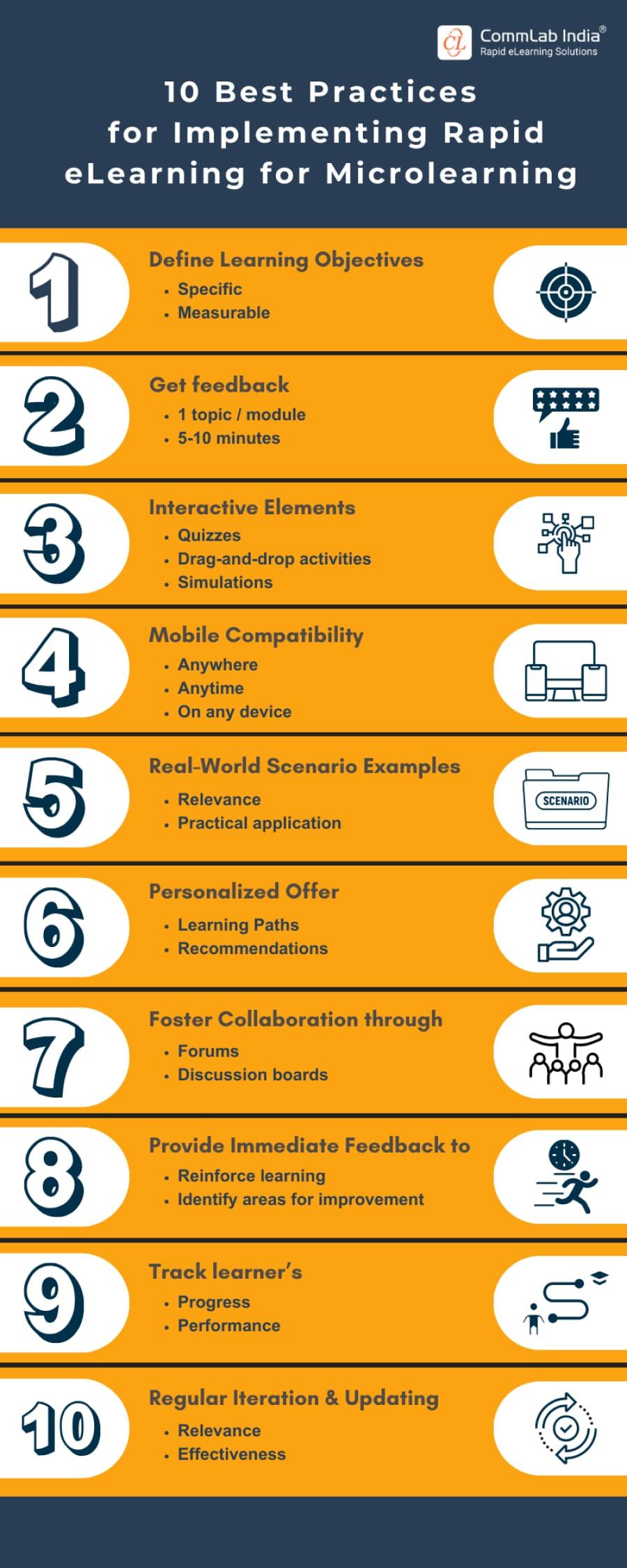
Overcoming Common Challenges in Implementing Microlearning Strategies: A Practical Guide
Microlearning is rapidly reshaping how organizations deliver training and support employee growth. By offering short, focused bursts of educational content, microlearning strategies empower learners to absorb knowledge efficiently, improve retention, and apply new skills immediately.Though, like any innovative approach, adopting microlearning is not without its hurdles. From technological limitations to content relevancy and measuring impact, organizations must navigate several common challenges.
In this extensive guide, you’ll discover actionable solutions to the most frequent obstacles faced during microlearning implementation. Whether you’re an L&D leader, HR manager, educator, or business owner, these practical tips will help you harness the full potential of microlearning to drive engaging, effective learning experiences within your institution.
What is Microlearning? Key Benefits
Microlearning is a learner-centric training approach that delivers small, easily digestible educational units, usually between 2-10 minutes in length. These concise modules target specific skills, concepts, or topics, making them perfect for today’s fast-paced, mobile-first workforce.
- Increased engagement: Bite-sized content keeps learners interested and prevents information overload.
- Improved knowledge retention: Short, focused lessons are easier to recall and apply.
- Flexibility and accessibility: Learners can access microlearning modules on-demand,from any device.
- Faster skill acquisition: Targeted training supports immediate on-the-job application.
- Cost-effectiveness: Development and updating of microlearning content is generally faster and cheaper than traditional training.
Common Challenges in Implementing Microlearning Strategies
Despite its advantages, microlearning presents certain challenges that organizations must address to ensure successful adoption and measurable ROI. The most common microlearning challenges include:
- Resistance to change and cultural inertia
- Poor instructional design and content fragmentation
- Lack of alignment with organizational goals
- Technological limitations and access barriers
- Difficulty measuring learning outcomes and impact
- Ensuring learner engagement and motivation
Overcoming Obstacles: Practical Solutions for Each Challenge
1. Dealing with Resistance to Change
Employees and leadership teams may be hesitant to abandon traditional training approaches for microlearning.Overcoming this skepticism requires clear dialog and evidence-backed advocacy.
- Educate your stakeholders: Present case studies and research highlighting microlearning benefits.
- Start small: Pilot programs with specific teams or topics to prove its value.
- Encourage feedback: Include staff in the microlearning design process to foster ownership and buy-in.
2. Designing Effective Microlearning Content
Poor instructional design can lead to scattered,confusing content. Effective microlearning must be concise, relevant, and coherent.
- Focus on one objective per module: Each lesson should teach a single skill or concept.
- Use multimedia elements: Include videos, infographics, interactive quizzes, and podcasts to boost engagement.
- Maintain content consistency: Align tone, style, and branding across all modules.
- Iterate based on feedback: Regularly review and refine content using learner assessments and analytics.
3. Aligning Microlearning with Business goals
Microlearning must directly support your organization’s objectives to maximize its impact.
- Perform training needs analysis: Identify specific business outcomes your microlearning strategy should support.
- set measurable objectives: Define success criteria (e.g., decrease onboarding time by 20%).
- Engage leadership: Involve managers in mapping microlearning modules to departmental KPIs.
4. Overcoming Technological Limitations
Not every organization has robust LMS platforms or mobile-ready systems.
- Choose the right platform: Adopt mobile-first LMS or microlearning-specific platforms with a user-kind interface.
- Ensure accessibility: Test your content on diverse devices and browsers to ensure seamless access.
- Offer offline options: allow learners to download content for offline use.
5. Measuring the Impact of Microlearning
Demonstrating ROI is critical for the continued investment in microlearning strategies.
- Leverage analytics: Use LMS data to track module completion rates, engagement, and assessment results.
- Solicit qualitative feedback: Conduct surveys and interviews to understand learner experiences.
- Connect learning to performance: Relate microlearning outcomes to job performance improvements.
6. Sustaining Learner Engagement
Engagement can wane if microlearning feels repetitive or unsupported.
- Gamification: Incorporate badges, leaderboards, and rewards to motivate learners.
- Real-world scenarios: Use practical examples and problem-solving exercises relevant to daily work.
- Blended approach: Combine microlearning with social learning (forums, peer feedback) or live sessions.
Case Study: Successful Microlearning Implementation
Company A, a global retail chain, shifted from traditional classroom training to a microlearning strategy to improve customer service competency. The organization faced initial resistance from veteran staff, concerns about mobile access, and uncertainty around measuring effectiveness.
- Started with a pilot in three stores, focusing on short modules covering customer interactions and product knowledge.
- Provided tablets for in-store access and allowed staff to complete training during slow hours.
- Incorporated quizzes and badges, fostering a friendly competition.
- Monitored completion rates and followed up with on-the-job performance assessments.
Outcomes: Within six months, stores using microlearning saw a 35% reduction in customer complaints and a 25% boost in upsell rates. Employee engagement in training improved dramatically, setting the stage for a company-wide rollout.
Tips for a Successful Microlearning Strategy
- Involve learners from the start: Gather input during the planning phase to address real needs and preferences.
- Keep it fresh: Regularly update content to stay relevant and engaging.
- Promote autonomy: Allow learners to choose modules that fit their current skill gaps or interests.
- Integrate with workflow: Embed microlearning into daily tasks for seamless transfer of learning.
- Celebrate achievements: Recognize the efforts and successes of participants to drive ongoing engagement.
Conclusion
Implementing a microlearning strategy offers immense potential for organizations seeking agile, effective, and engaging training solutions. While common challenges—from cultural resistance to technology hurdles and impact measurement—can be intimidating, they are far from insurmountable. By adopting a strategic, learner-focused approach and leveraging the practical solutions highlighted in this guide, you’ll be well-equipped to launch or enhance your microlearning initiatives for long-term success.
Remember: The key to impactful microlearning lies not just in content design but in cultivating a supportive culture, aligning with business goals, and continually optimizing for both user experience and measurable outcomes.embrace the journey—and watch your team thrive.