
Overcoming Integration Challenges: Effective Strategies for VR/AR in Education Curricula
Keywords: VR in education, AR integration strategies, immersive technology in classrooms, overcoming VR/AR challenges, educational innovation, curriculum progress
Introduction: Navigating VR/AR Integration in Modern Education
The arrival of virtual Reality (VR) and Augmented Reality (AR) in classrooms has sparked a revolution in educational experiences. Immersive technologies empower students to step into molecular landscapes, explore ancient events, or simulate complex machinery, enhancing engagement and learning retention. However, integrating VR and AR into existing education curricula isn’t a simple plug-and-play process; it brings unique challenges from budget constraints to staff readiness.
This article dives deep into the integration hurdles educators and administrators face, exploring effective strategies to overcome these barriers, sharing inspiring case studies, highlighting practical tips, and illuminating the profound benefits VR/AR offer in transforming teaching and learning.
Understanding Integration Challenges for VR/AR in Education
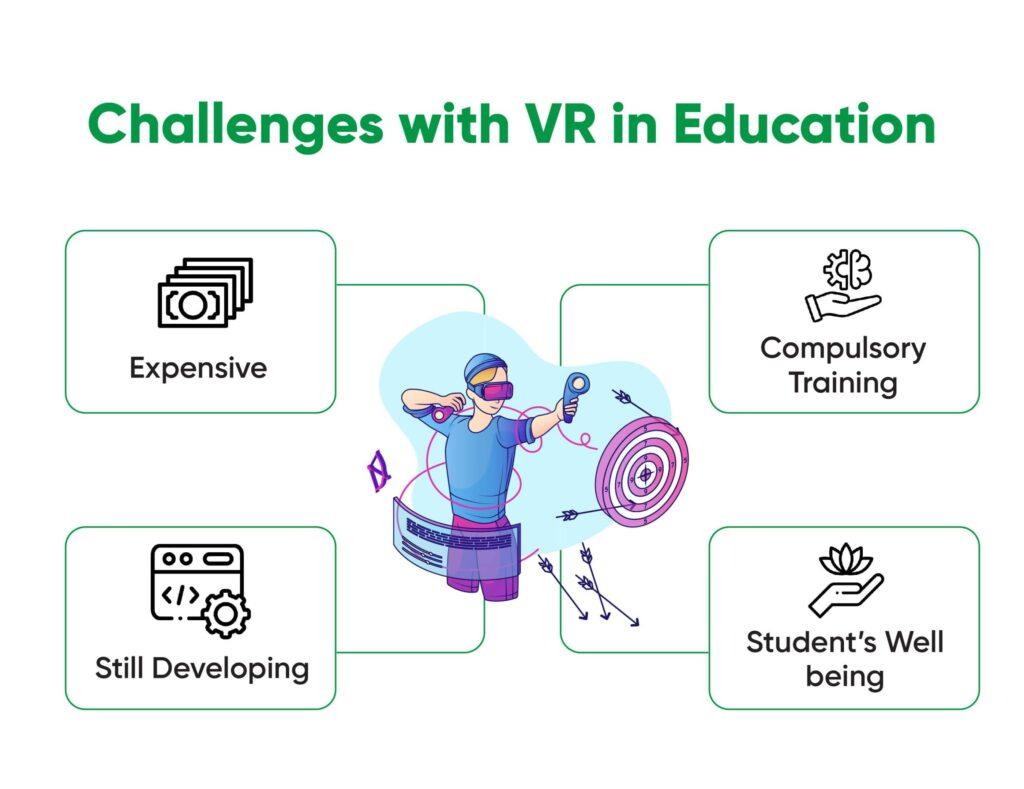
Implementing VR and AR in education is more than just acquiring hardware or downloading apps. Real conversion requires addressing technical, pedagogical, and organizational challenges. The most prevalent obstacles include:
- Financial Constraints: High initial costs for equipment and software licenses.
- Teacher Training & Buy-in: Educators need skill development and motivation to utilize new technology.
- curriculum compatibility: Ensuring VR/AR aligns with academic standards and learning outcomes.
- Infrastructure Issues: Reliable internet, adequate hardware, and classroom space adaptations.
- Content Availability: access to high-quality, relevant VR/AR educational content.
- Student Accessibility: Guaranteeing equitable use for all students, regardless of ability or background.
Addressing these integration challenges is essential for harnessing the full potential of immersive technology in education curricula.
Proven Strategies to Overcome VR/AR Integration Barriers
1. Start with a Pilot Program
- Small-Scale Trials: Launch pilot projects within select grades or subjects to test VR/AR’s effectiveness, gather feedback, and refine implementation plans.
- Stakeholder Engagement: Involve teachers, students, and parents early on to build broad support and uncover practical concerns.
2. Prioritize Professional Development
- Hands-on Workshops: Offer ongoing, interactive training for educators focusing on both technical operation and curriculum integration.
- Peer Learning Networks: Create communities of practice for teachers to exchange tips, lesson plans, and troubleshooting advice.
3. Align VR/AR Experiences with Learning Objectives
- Curriculum Mapping: Work closely with curriculum designers to link VR/AR modules with specific standards and goals.
- Assessment Integration: Develop assessment methods that capture both immersive and traditional learning outcomes.
4. focus on Cost-Effective Solutions
- Leverage Open-Source Platforms: Utilize free or affordable VR/AR apps and resources for educational purposes.
- Shared Device Models: implement device rotation within classrooms or across departments to maximize resource usage.
- Partnerships: Seek grants and collaborations with tech companies or universities to reduce costs.
5. Ensure Accessibility and Inclusivity
- Universal Design Principles: Select VR/AR solutions that accommodate various learning styles and physical abilities.
- Offline Content Availability: Provide downloadable modules for students with limited internet access.
- Supportive Materials: Supplement immersive activities with handouts, guides, or modified experiences as needed.
Benefits of VR/AR Integration in Educational Curricula
The effective adoption of VR/AR in classrooms isn’t just innovative—it delivers concrete, measurable benefits to students and educators:
- Enhanced Engagement: interactive lessons capture attention and foster deeper involvement in subjects.
- Improved Knowledge Retention: Experiential learning helps students remember concepts longer and apply skills more confidently.
- Personalized Learning: adapt VR/AR modules for students’ individual learning paths, paces, and preferences.
- Safe Exploration: Simulate hazardous experiments,travel to distant locations,or walk through historical moments without risk.
- Collaboration & dialogue: VR/AR platforms encourage teamwork and problem-solving, both locally and globally.
According to a 2023 EdTech magazine report, schools using VR/AR witnessed a 20% increase in student engagement and a 15% enhancement in test scores compared to traditional methods.
Practical Tips for Educators and Administrators
- Choose Age-Appropriate Content: Select VR/AR apps and modules designed for specific grade levels to ensure relevance and safety.
- Integrate reflection Time: After VR/AR sessions, prompt students to discuss and reflect on their experiences for deeper learning.
- Monitor Usage: Track device and app usage to optimize allocation and gather data for future expansion.
- Encourage Student Feedback: Regularly solicit students’ opinions on immersive lessons to iterate and improve program quality.
- Stay Updated: Subscribe to edtech newsletters, attend conferences, and collaborate with industry leaders to keep pace with evolving VR/AR trends.
Case Studies: Triumphant VR/AR Integration in Education
Case Study 1: STEM Enrichment in Urban Schools
A New York City high school implemented a VR-based biology curriculum, enabling students to journey through the human body and observe cellular processes up close. Through a partnership with local universities,the school secured devices and trained teachers over six months. The result: a 30% increase in biology test scores and invigorated student interest in STEM careers.
Case Study 2: AR Language Learning in Rural Districts
An Australian school district overcame distance and resource limitations by integrating AR smartphone apps for language acquisition. Teachers collaborated to develop lesson plans that incorporated AR vocabulary discovery and conversational modules. Students reported higher confidence, and state testing scores improved markedly.
Case study 3: Accessibility-Driven VR Programs
A special education center in Canada used VR field trips to museums and nature reserves for students with mobility challenges. The school provided adaptive controllers and tailored experiences based on individual needs, ensuring everyone participated fully. Feedback from parents and students was overwhelmingly positive.
First-Hand Experiance: Teacher Perspectives
“Integrating AR into my science classes turned abstract concepts into tangible experiences. My students were more curious,asked deeper questions,and I was able to assess their understanding in creative ways. The initial learning curve was steep, but ongoing professional development and peer support made a world of difference.”
— Sarah jacobs,Middle School Science Teacher,Ohio
Conclusion: Building the Future of Learning with VR/AR
VR/AR integration in education is unlocking unprecedented potential for student engagement,creativity,and personalized advancement. Despite genuine challenges—from budget limitations and infrastructure demands to curricular alignment—proven strategies and real-world examples reveal that it’s possible to overcome these barriers.
By steadily building expertise, leveraging partnerships, and putting students’ needs at the forefront, educators can ensure that immersive technology becomes a core part of tomorrow’s learning landscape.The time to invest in VR/AR in education is now—transform yoru curriculum,ignite interest,and foster a lifelong love for learning.
Ready to enrich your curricula with VR/AR?
Connect with technology experts, join professional learning networks, and explore accessible content today to begin transforming your classroom into a hub of immersive discovery.
Related Resources: